OIE Standards for International Horse Movement
Dr. Susanne Münstermann reviews the World Organization for Animal Health’s (OIE) role in preventing global disease spread at the 2012 International Conference on Equine Infectious Diseases.

Dr. Susanne Münstermann reviews the World Organization for Animal Health’s (OIE) role in preventing global disease spread at the 2012 International Conference on Equine Infectious Diseases.
I do a lot of riding and I am always surprised when I see people missing one of what I consider to be the most
The guild cited improved rider safety when they voted to support racehorse medication reform.
Studies show a wide range in pharmaceutical equivalence of compounded drugs compared to brand name drugs.

A group of researchers and the Thoroughbred Owners of California issued a statement supporting furosemide use.

A review of violation records reveals that fewer Bute overages are occurring at a lower medication threshold.
Welfare officers have attended training to help them support owners through and following a horse’s death.

The legislation calls for a ban on equine performance-enhancing drugs in horse racing in New York.
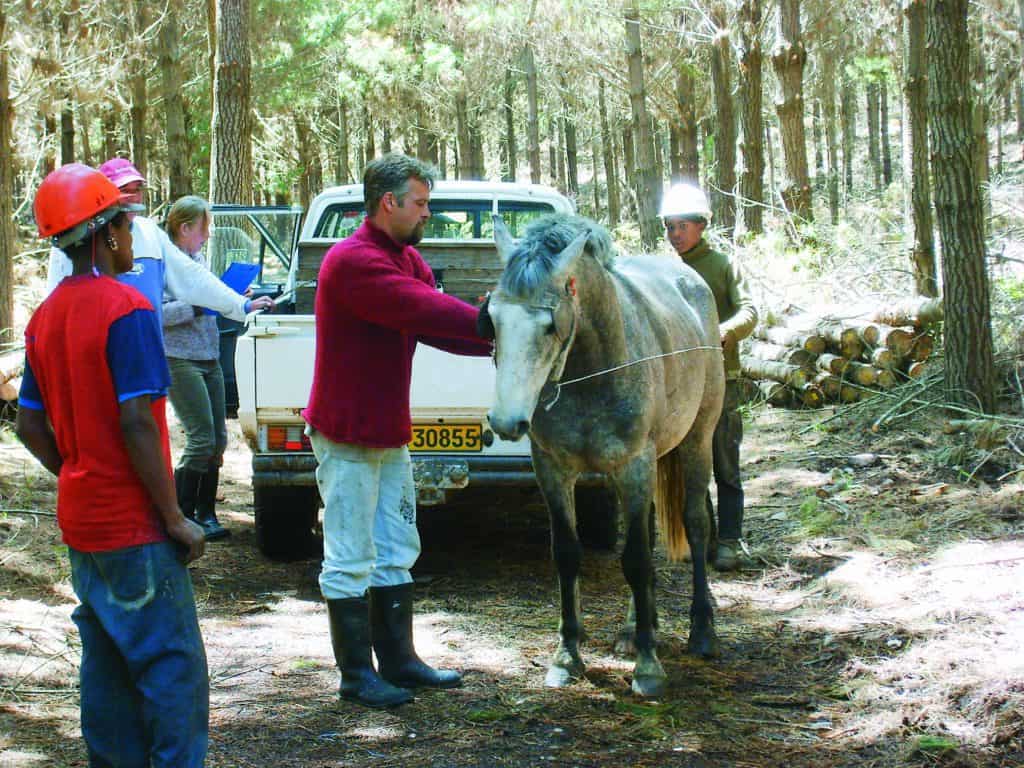
Authorities are encouraging horse owners to vaccinate annually to curb the impact of African horse sickness.

Veterinarians must take several steps to minimize the horse’s chances of developing a joint infection.

When I unfold a tarp and hear that rusty plastic rattle, I see the stains of fluids of decay; I smell death. Blue tarps cover the corpses of my failures.
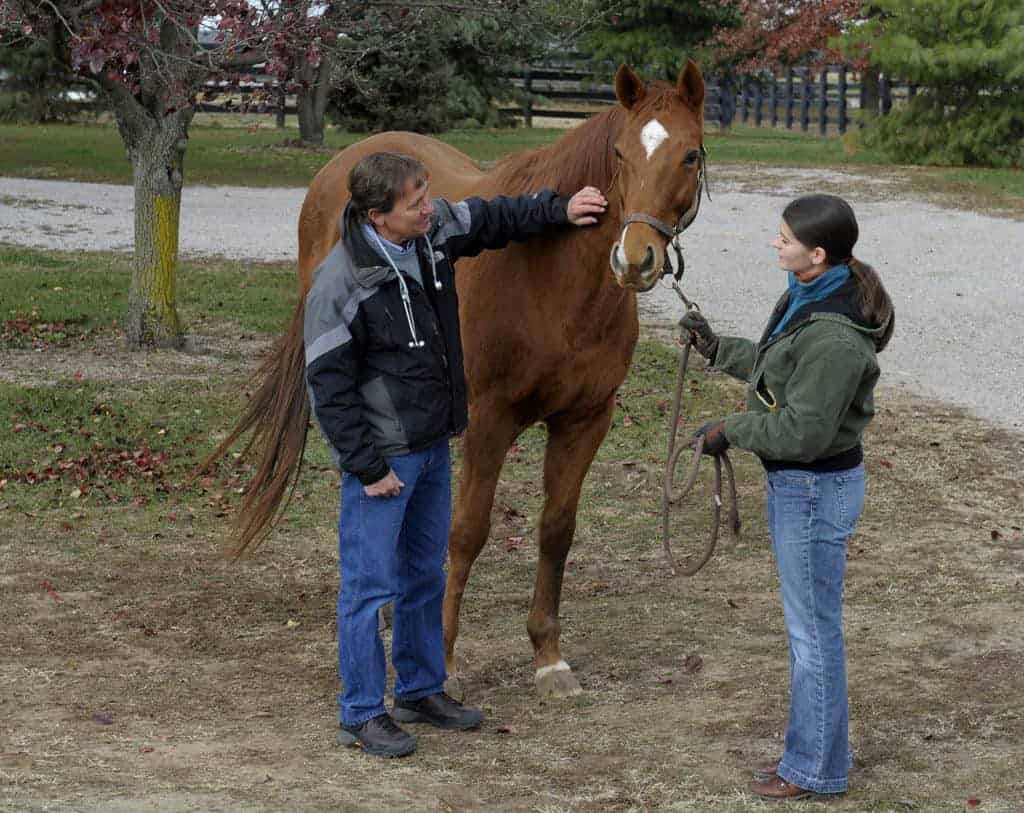
One vet says an active veterinarian-client-patient relationship is needed to provide the best care for horses.

Many difficult decisions racetrack practitioners encounter are out of their control, one veterinarian says.
Almost 600 stallions have been castrated since the Operation Gelding program was first in August 2010.

We’ve compiled a list of the 10 most popular videos of 2012. Did your favorites make the list?

The staff at TheHorse.com tallied the most popular articles of 2012. Did your favorites make the list?