Veterinarians Urge Vaccination against West Nile Virus
It’s not too late to ensure your horse is properly vaccinated against the potentially deadly West Nile virus.

It’s not too late to ensure your horse is properly vaccinated against the potentially deadly West Nile virus.
The recording of TheHorse.com’s Ask the Vet LIVE event on mosquito-borne diseases from August 30, 2012, is now

Mosquitoes are more than just annoying, blood-sucking pests—they also carry infectious diseases that can incapacitate or kill your horses.
The 2-year-old unvaccinated gelding from Yakima County has been euthanized.

A new, minimally invasive kissing spines treatment method boasted a 95% success rate in a recent study.
A 15-month-old Standardbred filly from Bourbon County was euthanized after developing clinical signs of WNV.

Whether traveling to an out-of-state show or a mile away to the park, good equine health care starts at home.
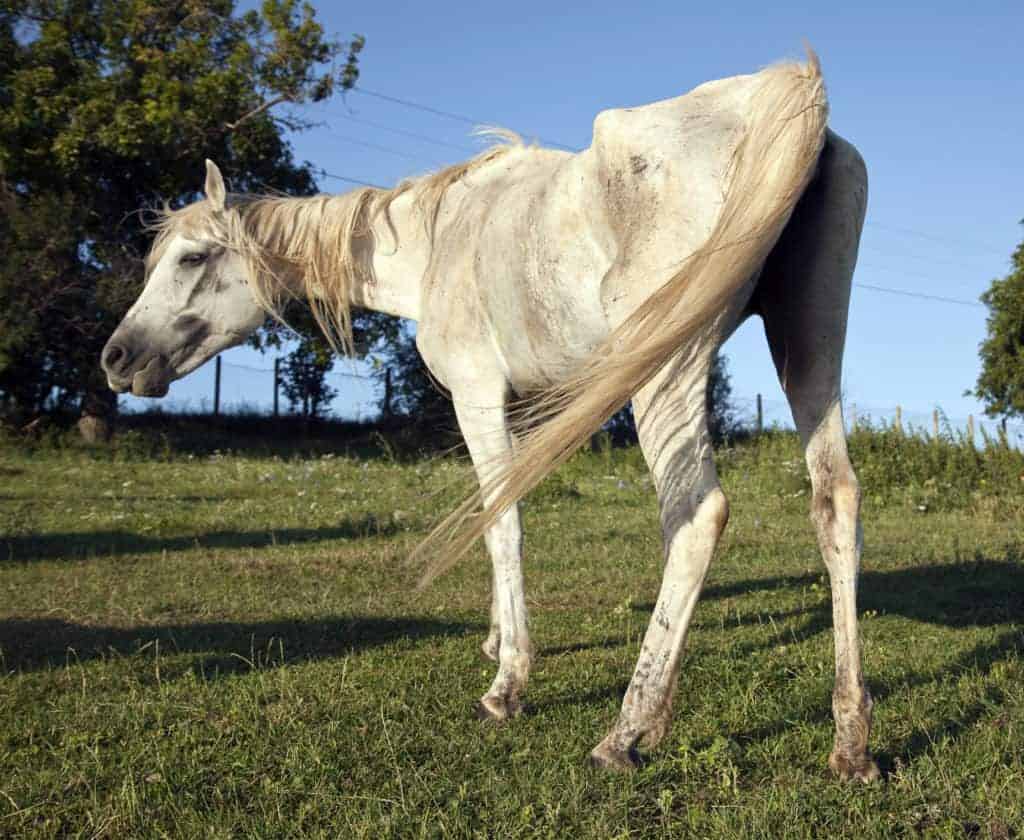
Low body weight in horses can trace to many issues, including dental problems and chronic disease.
Both West Nile virus (WNV) and Eastern equine encephalitis (EEE) have been identified in Massachusetts horses.
Neither horse–a 6-year-old Palomino gelding and a 3-year-old Quarter Horse gelding–was vaccinated.

Clipped horses achieved faster post-exercise recovery than unclipped horses when working in cold temperatures.
The affected horse was identified in Klamath County, Ore. It is the state’s first equine WNV case of 2012.
While fall armyworm is a pest of cattle and horse pastures, it should not affect horses.
Neither horse was vaccinated against the disease, and both were euthanized due to disease progression.
Five cases have been confirmed in Kentucky and six have been confirmed in California.
The horses, both from northern Wisconsin, were confirmed positive via blood tests on Aug. 21.