Down With Mosquitoes
How have you been addressing West Nile virus prevention in your horse(s)? How have you tackled mosquito source reduction in your barn area?

How have you been addressing West Nile virus prevention in your horse(s)? How have you tackled mosquito source reduction in your barn area?

A thorough eye examination can identify numerous potentially vision-threatening problems in horses.

The unvaccinated 5-year-old Tennessee Walking Horse gelding from Garrad County was euthanized Sept. 18.
The recording of TheHorse.com’s Ask the Vet LIVE event on equine Cushing’s disease (PPID) from Sept. 18, 2012.
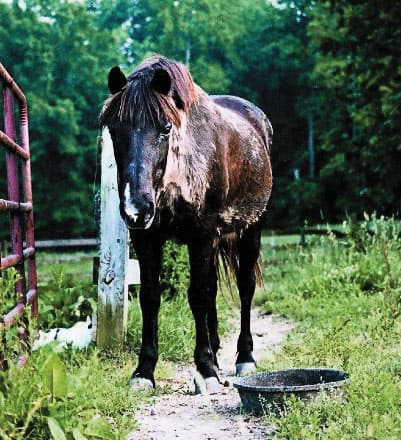
Pituitary Pars Intermedia Dysfunction (PPID, or equine Cushing’s disease) is one of the most common endocrine disorders in horses and can cause secondary issues, including laminitis. But, proper supportive care can offer comfort to many PPID horses.

Summer might be winding down, but equine mosquito-borne disease case numbers continue to rise.
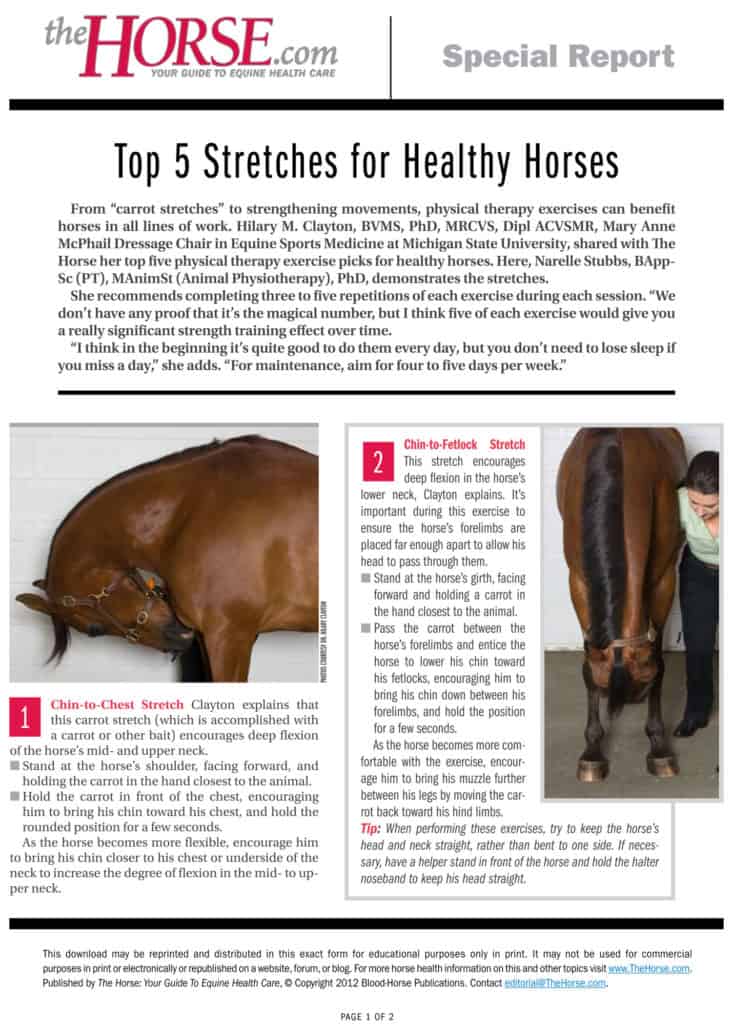
Learn the benefits of physical therapy stretches for your horse from veterinary experts and follow our step-by-step instructions to help make your horse more flexible and performance ready.
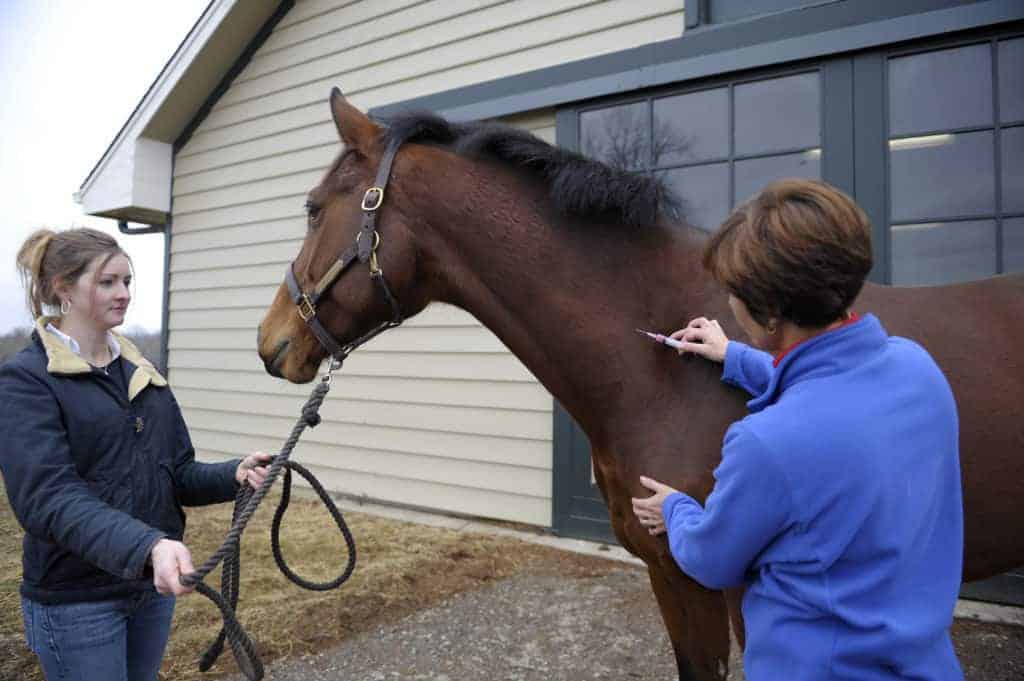
An unvaccinated 4-year-old gelding was euthanized after contracting the virus.

The very safest method of mosquito control for you, your horses and the environment includes reducing the breeding ground for mosquitoes: mud and stagnant water. Here is a checklist of horse farm management techniques for reducing mosquito habitat.
The number of equine West Nile virus (WNV) cases identified this year in the United States continues to rise.
It’s not too late for horse owners to help protect their horses against this life-threatening disease.
The MDPH last week confirmed two additional cases of Eastern equine encephalitis in horses.
The unvaccinated 3-year-old Butte County filly was euthanized as a result of the disease.
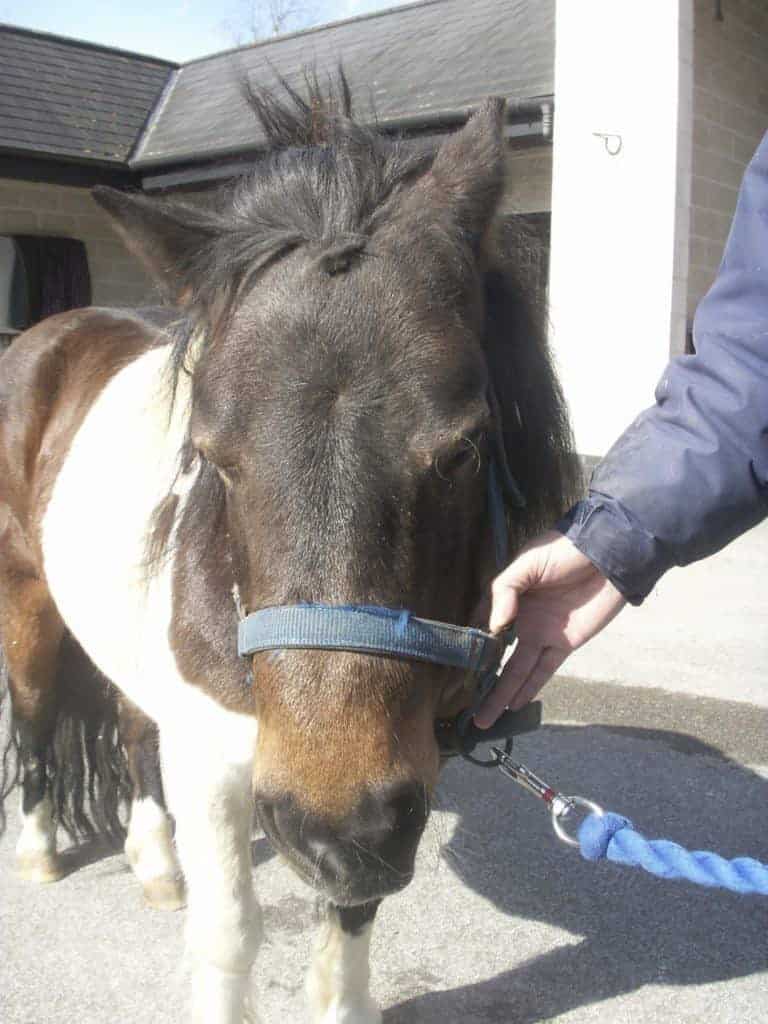
Researchers looked at common signs, diagnostics, and treatments for equine temporohyoid osteoarthropathy.
Protect horses by vaccinating against the disease and taking measures to prevent mosquito bites.
I have a horse that is on stall rest while recovering from a fractured humeru