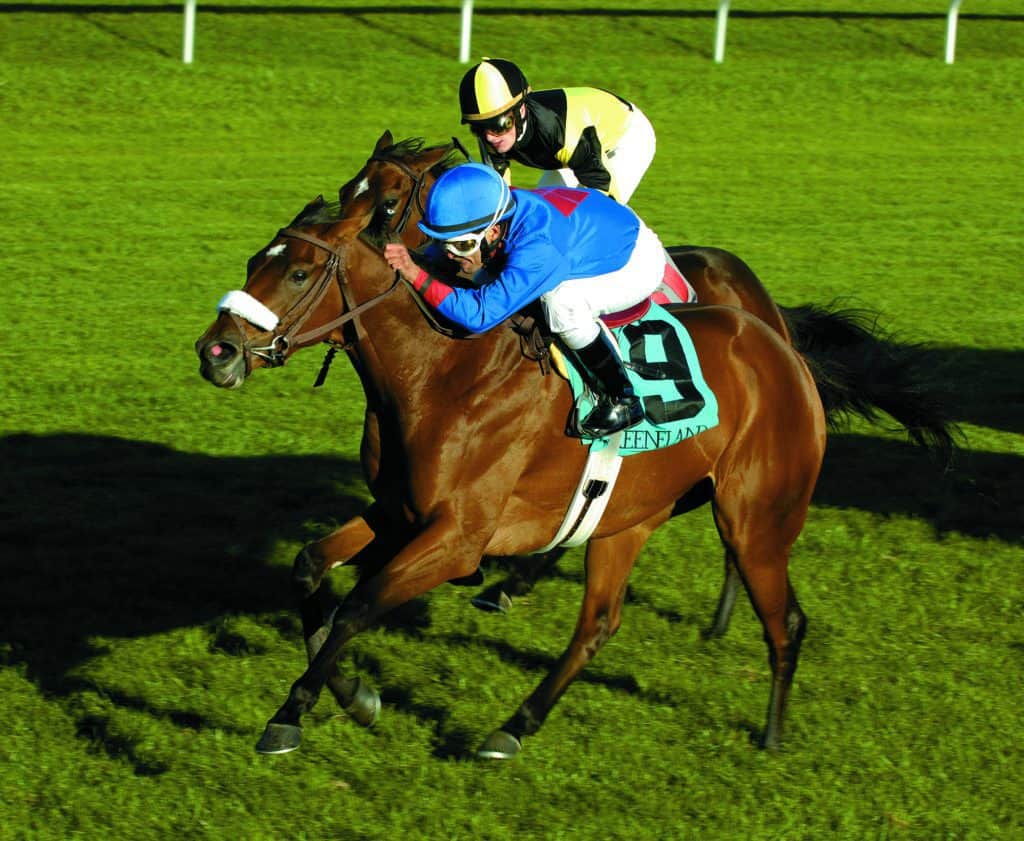
Results of Standing Fracture Repair in Racehorses Examined
Standing fracture repair avoided general anesthesia risks and allowed most study horses to return to racing.

Standing fracture repair avoided general anesthesia risks and allowed most study horses to return to racing.

Appropriate forage, forage alternatives, and/or concentrates can keep aged horses at a healthy body condition.
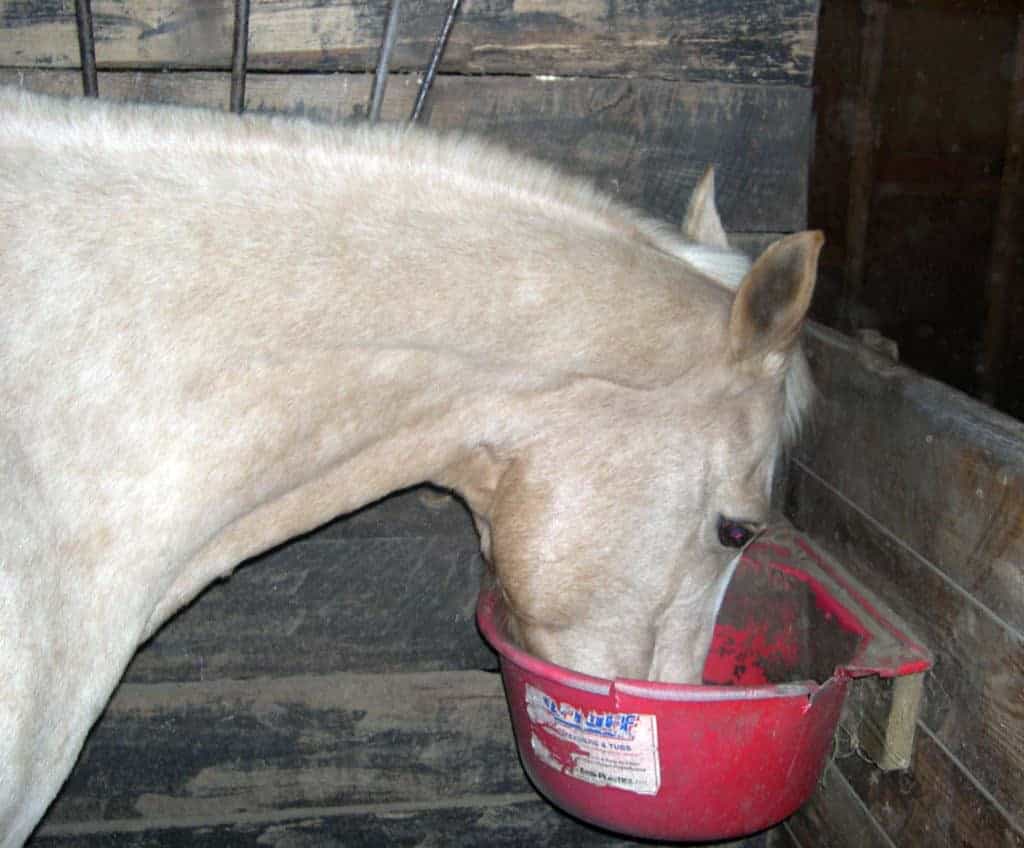
Managing diet can help alleviate signs of some equine genetic disorders, such as PSSM and HYPP.
The mare received the first in a series of two planned EEE vaccinations from a private veterinarian in May.
Roughly 15 individuals commented on the KHRC Salix phase-out proposal, with only one in support of the measure
The event will take place June 11-12 at the Kentucky Horse Park during the County Heir horse show.
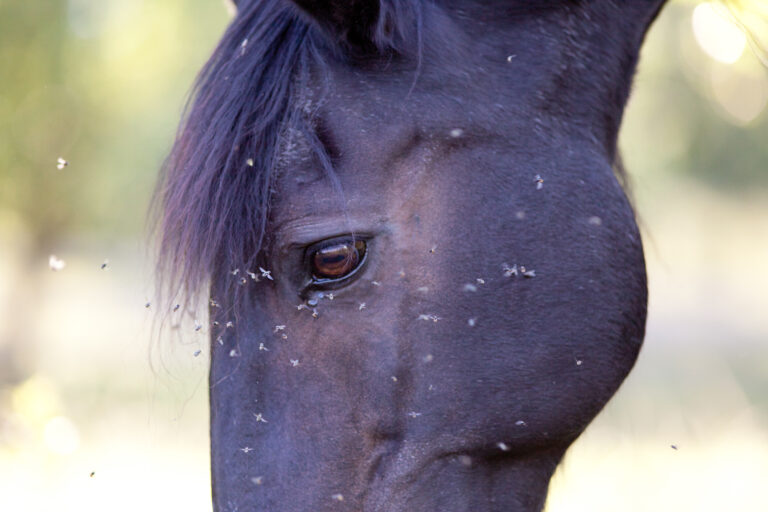
Use topical fly repellent, fly sheets, and other tactics to protect horses from flies and related diseases.
Lots of rain means lots of grass. Keep your horse healthy and from overgrazing with these tips.

Recent work suggests surgery could be an option for headshakers, with a long-term success rate of nearly 50%.

Firocoxib improved lameness scores, comfort, and mobility in most horses with osteoarthritis, a study showed.
Can clipping horses’ body hair off for the winter cause hives? And are there any remedies?

Post-anesthetic myelopathy is a rare but deadly complication of general anesthesia in horses.

Although injured horses need time off, they could need greater amounts of some nutrients than during training.
The AAEP defines a compounded drug as one that is created by manipulating an existing FDA-approved drug.
Researchers will use samples from horses with fevers of unknown origin to look for tick-borne infections.
One scientist said the high number of hendra cases reported in 2011 emphasized the need for a vaccine.