Equine Colic Management and Long-Term Survival
Colic survival rates have improved greatly over the years, but timely treatment and diligent aftercare still a

Colic survival rates have improved greatly over the years, but timely treatment and diligent aftercare still a

Fluphenazine, a human antipsychotic drug, has drawbacks that often preclude its use in horses.
Topics will include an equine herpesvirus update, rehabilitating lameness injuries, and preventative care.
The groups contend drugs administered during the horses’ lives make them unsuitable for human consumption.
Broad adoption of the new medication policies hinges on action by regulators in all racing jurisdictions.
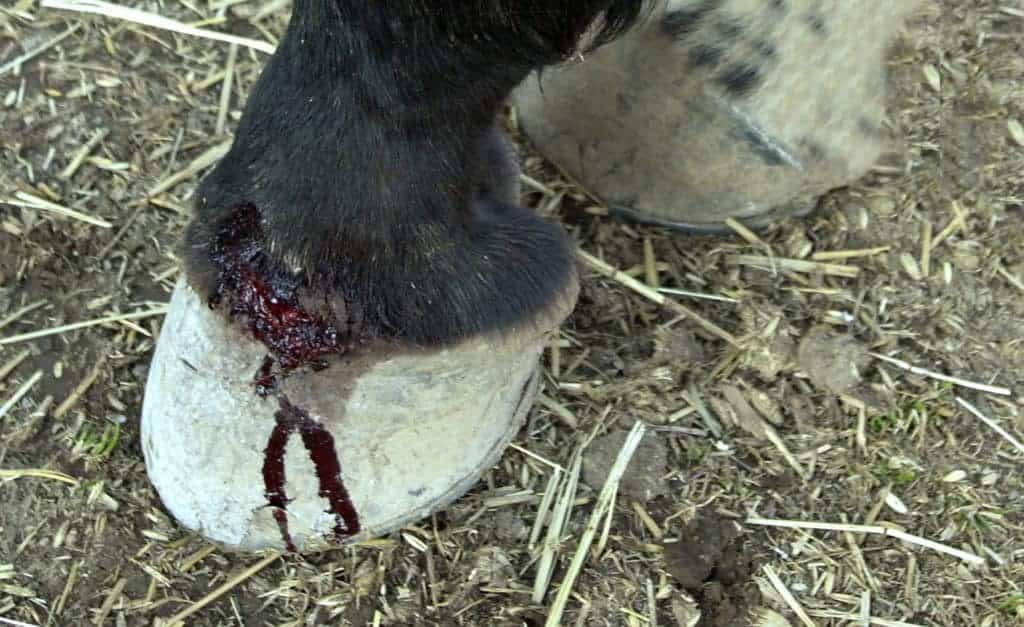
Delayed wound closure involves suturing wounds four to five days after injury.
Rood & Riddle Equine Hospital will open a satellite ambulatory division in upstate New York effective April 1.
The change comes several months after the FDA approved a pergolide mesylate tablet for use in horses.
West Nile is spread by mosquitoes, which thrive in the warm, wet conditions some have experienced recently.
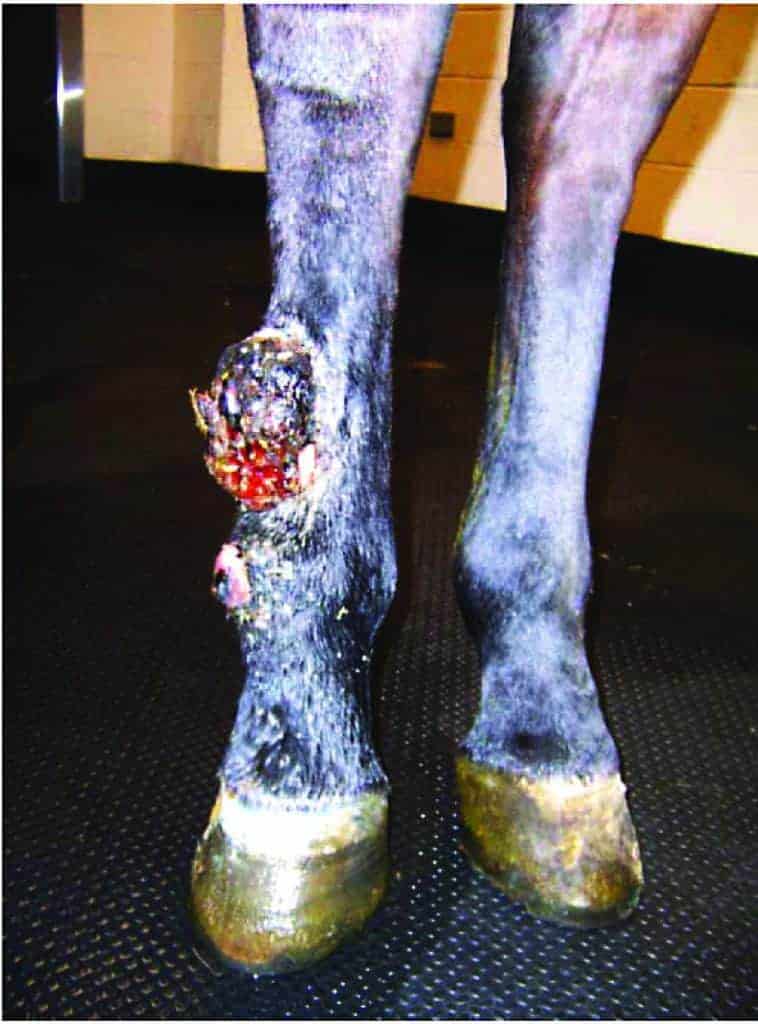
Equine wounds need to be managed carefully to prevent the development of exuberant granulation tissue.
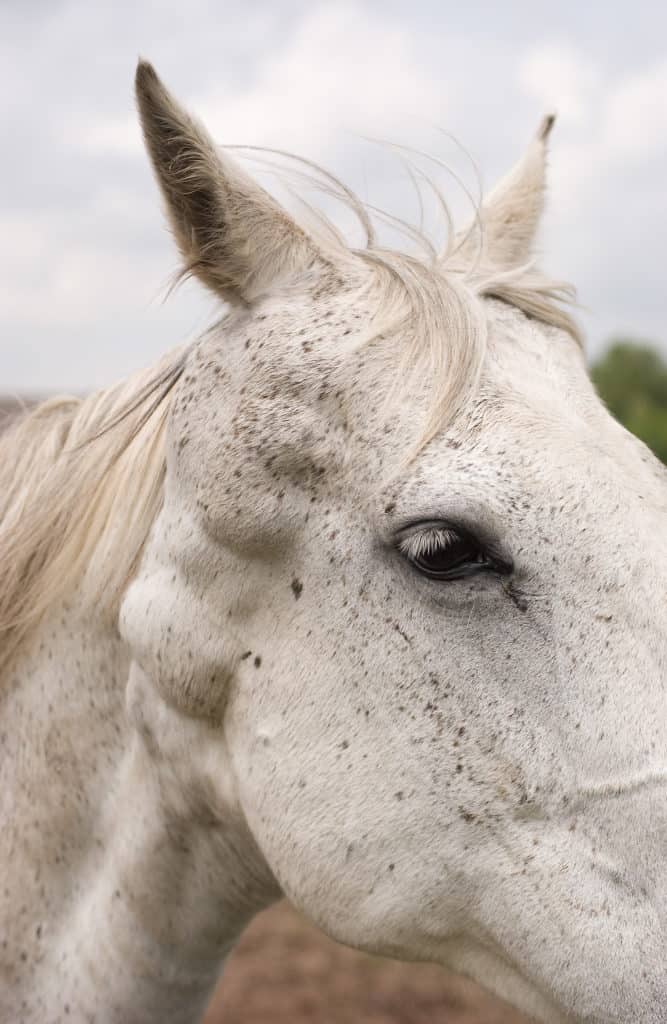
Researchers are testing a ‘cancer vaccine’ to determine if it might be a viable equine treatment option.

Complicated and emerging equine skin disorders do exist, but they are rare, according to one researcher.

Even when NSAIDs are used appropriately, the drugs can still prove damaging to the patient.
A public open house is scheduled for April 28, from noon to 3 p.m. at the equine rehabilitation center.

The new test correlated well with the conventional insulin-sensitivity test and it was repeatable.

Why do some horses seem predisposed to experiencing colic episodes? And, if your horse has colicked in the past, what can you do to help prevent it from happening again?