Calif. State Veterinarian Recommends Equine WNV Vaccinations
In 2011, 15 horses in California were confirmed positive for WNV; four of those 15 were euthanized.

In 2011, 15 horses in California were confirmed positive for WNV; four of those 15 were euthanized.
The Texas Veterinary Diagnostic Laboratory tallied more than 150 positive pigeon fever cultures in 2011.

West Nile Virus (WNV) causes a potentially fatal encephalomyelitis (inflammation of the brain and spinal cord) in a variety of species such as birds, horses, and humans.
The Federation Equestre Internationale (FEI), as the world governing body of equestrian sport, provides the framework for all FEI events, and central to this framework is horse welfare.

At home, your horse lives in an environment that you or barn staff strive to keep “biosecure,” or well-defended against infectious disease. But when you and your horse head off property, you’re taking him out of that controlled environment and exposing him to unfamiliar horses and possibly illness. Here, we discuss ways to protect your horse from infectious disease when traveling
All horses’ health can be compromised by the development of parasite resistance to dewormers.
Unvaccinated horses suffer severely when infected with either WNV or EEE, both transmitted by mosquitoes.
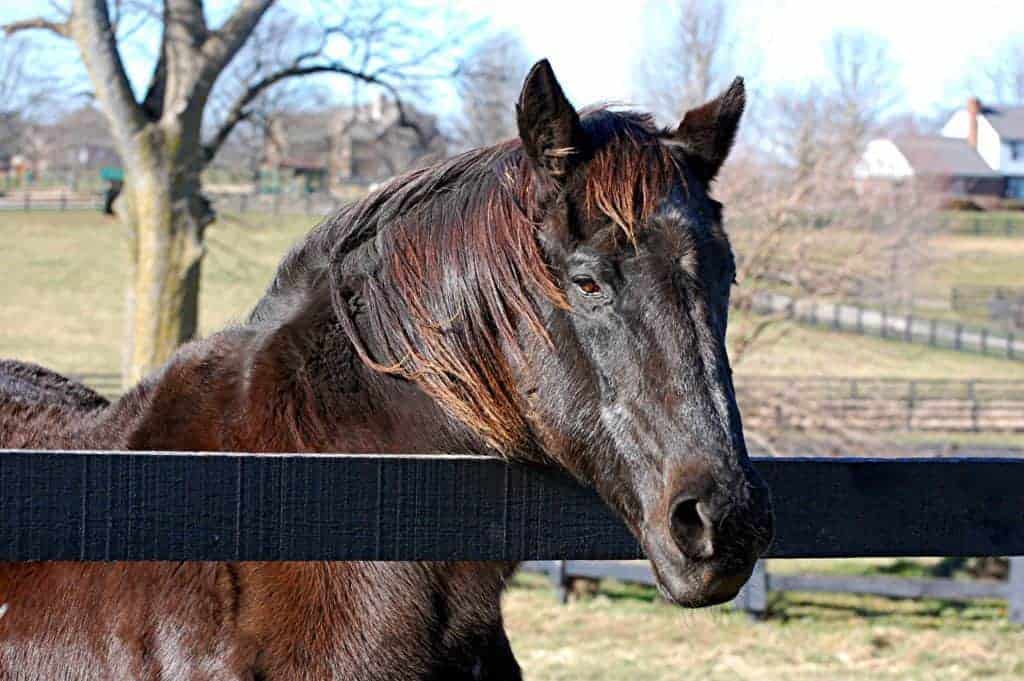
An understanding of how the biology of aging affects the older horse has become increasingly important.
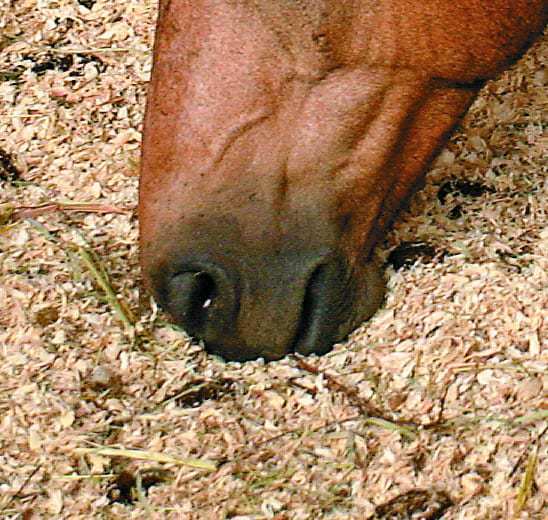
If caloric intake is reduced, horses might seek alternative food sources to fulfill natural feeding behavior.
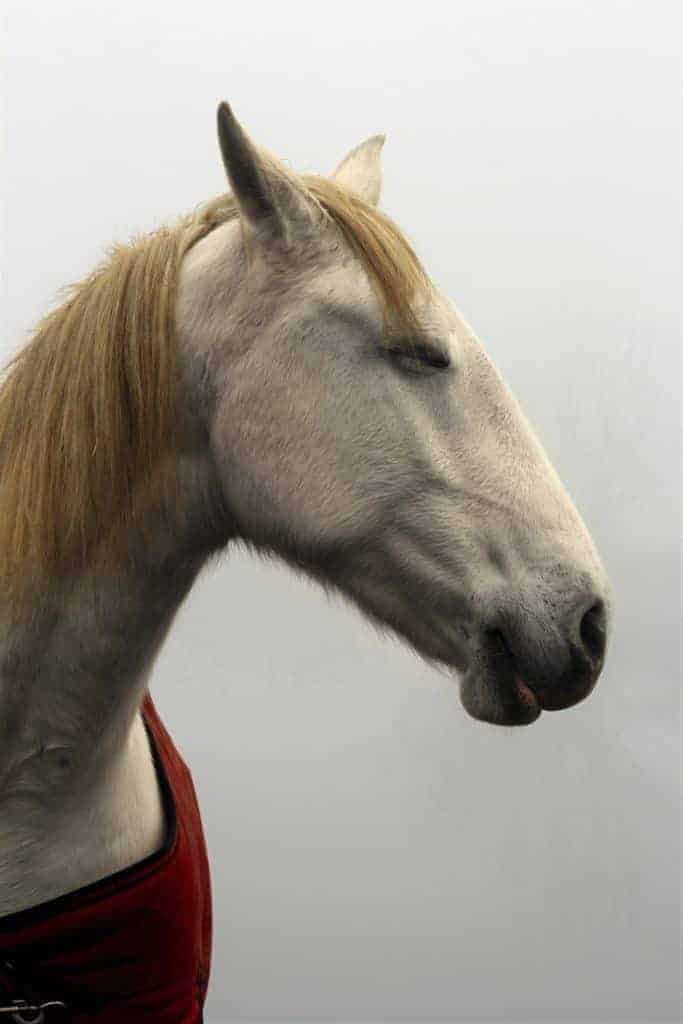
Sleep deprivation is an important, but not fully understood, equine health condition.

In recent years, a deadly disease–hendra virus–has been making waves in the Australian equine industry.
Clenbuterol is a bronchodilator, and it is used in horses with respiratory problems to open the airway.
Consider your veterinarian’s advice, region, your horse’s history, and his use when selecting vaccines
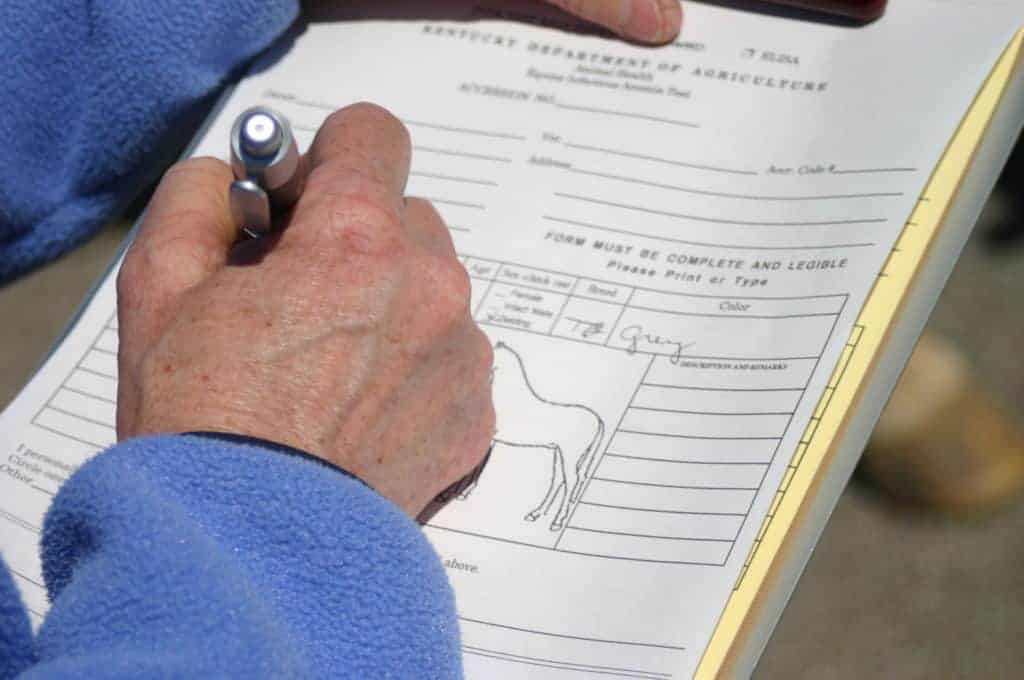
With neither cure nor vaccine in existence, veterinarians and researchers must supervise EIA closely.
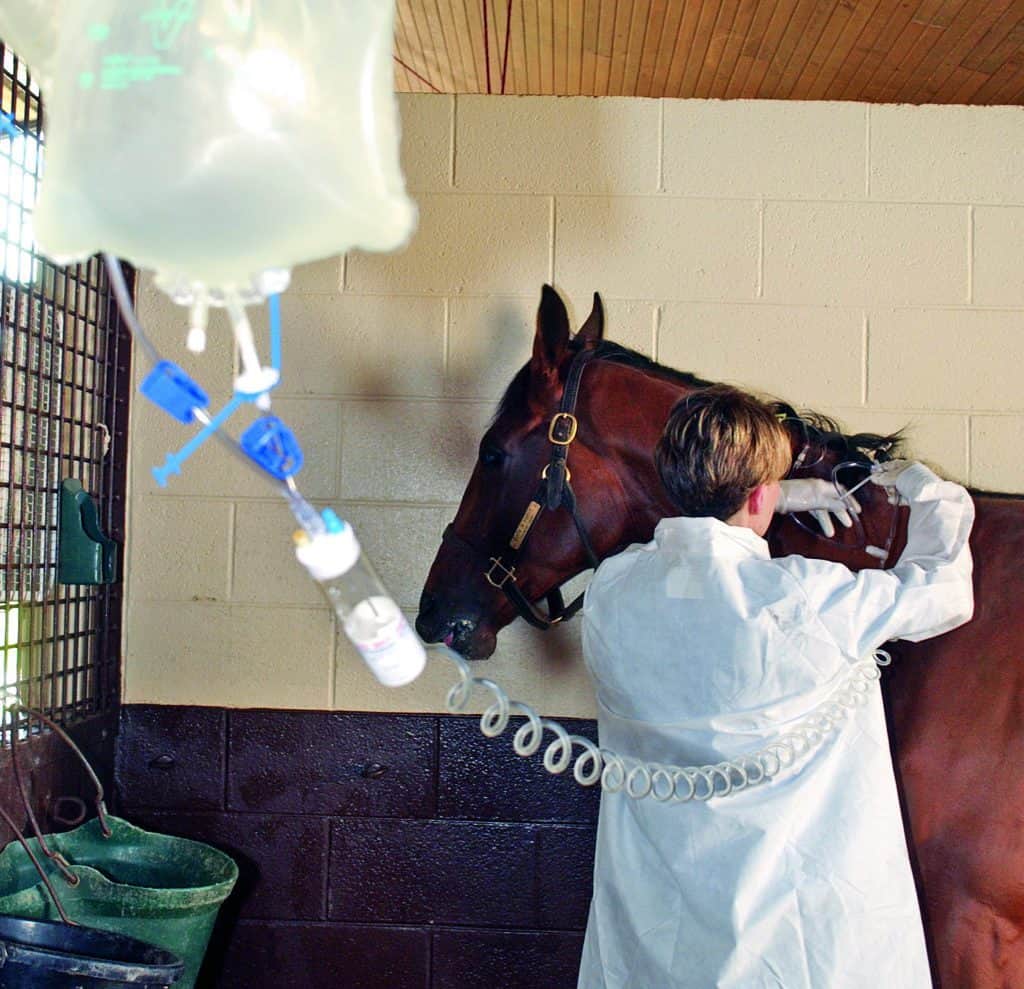
Researchers are striving to better understand this fast-spreading virus before its next next mutation.
My gelding was diagnosed with squamous cell carcinoma in his third eyelid. He’ll be starting cisplatin injecti