Suture Material Matters for Abdominal Incisions (AAEP 2011)
Researchers compared different suture materials’ integrity for closing abdominal incisions from colic surgery.

Researchers compared different suture materials’ integrity for closing abdominal incisions from colic surgery.
A reader is concerned about her 24-year-old easy keeper’s weight loss and sudden difficulty keeping weight on.
Tune in on Thursday, March 15, 8 p.m., EDT, for TheHorse.com’s free Ask the Vet LIVE audio and chat event.

One researcher concluded that when dosing PBZ in the horse, “More is not better. Less is less effective.”

The Lembert single layer pattern is faster, stronger, and less likely to impede the intestinal flow.
The hyperbaric oxygen chamber was shut down for evaluation after a similar chamber in Florida exploded.

Previous studies failed to achieve in horses what are considered therapeutic tramadol plasma levels in humans.

A wrap-up of the most important, interesting, or applicable surgery and lameness studies from Dr. Scott Palmer

According to a recent study, a coat pattern with numerous narrow stripes deteres horseflies from landing.
Manuka honey can be used to promote healing of wounds without the need for a bandage, one researcher said.
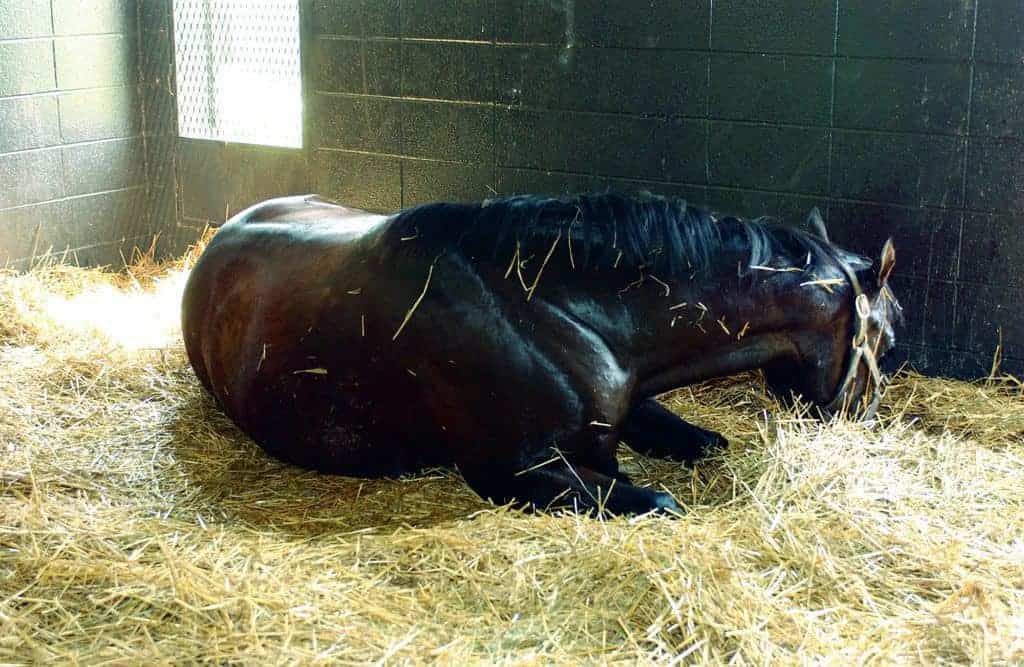
Horse owners should be prepared to make decisions about managing serious colic without the option of referral.
The Australian equine influenza outbreak provided a unique opportunity to evaluate some biosecurity measures.
The Environmental Protection Agency has officially registered the first contraceptive vaccine for horses.

Buscopan has been accepted as effective treatment for simple choke in other countries for 40 years.
The research pinpointed how long it took for some commonly used therapeutic drugs to clear a horse’s system.
Goals include discussion on maximizing drug efficacy and minimizing development of parasitic resistance.