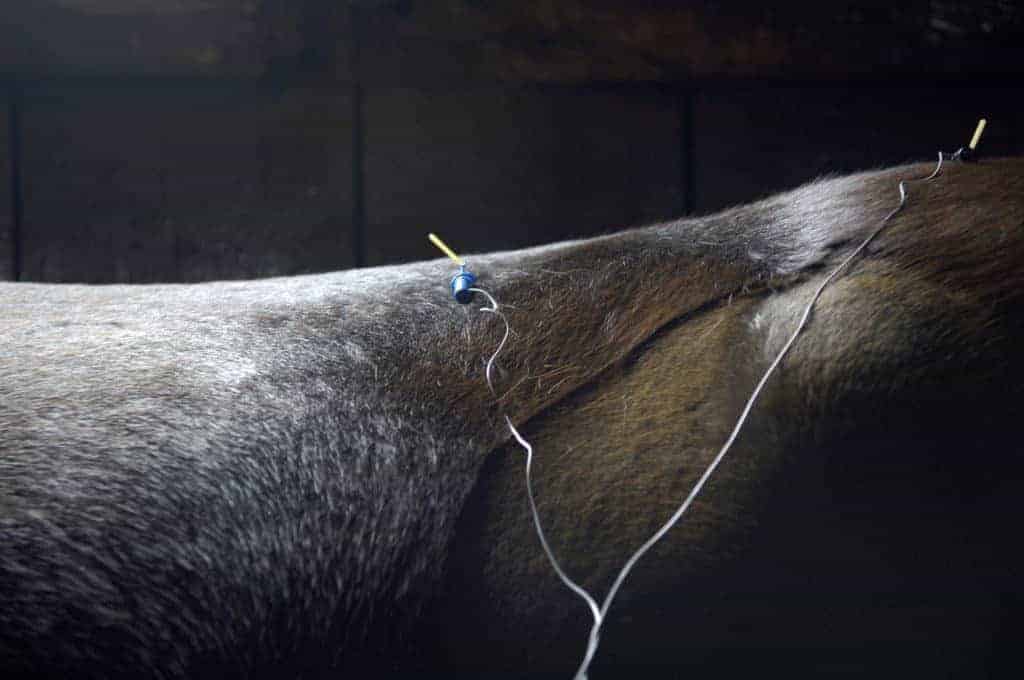
Acupuncture to Reduce General Anesthesia (AAEP 2011)
Electroacupuncture-treated horses exhibited a significantly deeper depth of anesthesia compared to controls.

Electroacupuncture-treated horses exhibited a significantly deeper depth of anesthesia compared to controls.
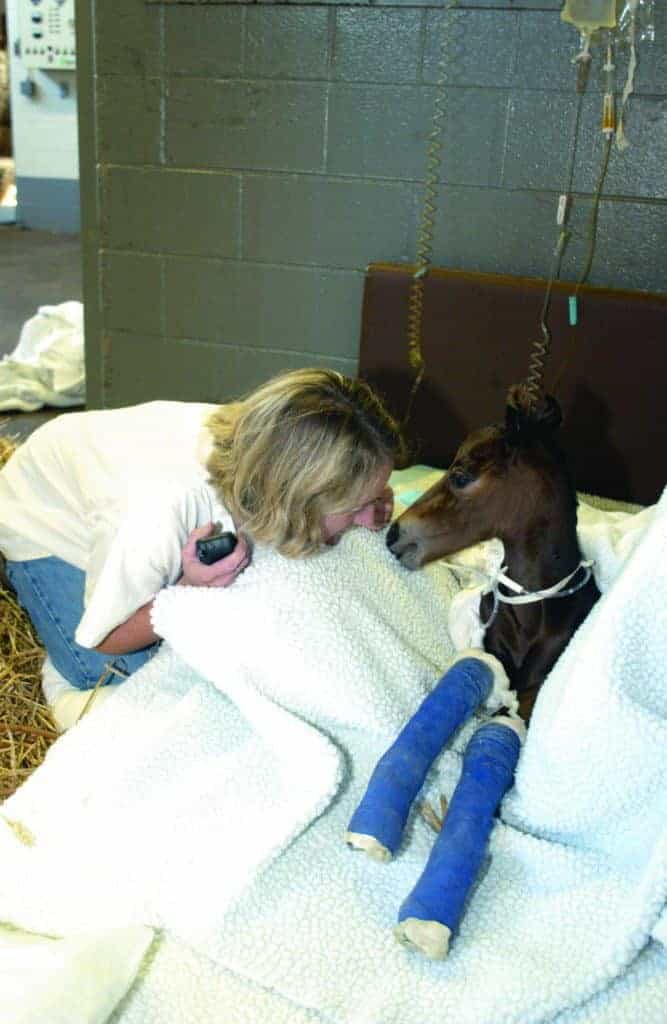
Researchers recently found that nearly half (49.5%) of horses with limb casts experience complications.

The parasite Besnoitia bennetti grows in tiny cysts in the skin, organs, and eyes of affected animals.
FluVac Innovator 4 is moving to the Pfizer label after the acquisition of Wyeth and Fort Dodge Animal Health.

Without proper post-treatment management and some husbandry adjustments pneumonia can recur.

A physical therapy program is owner- and horse-intensive in terms of time and energy for successful outcomes.
The models allow students to practice a variety of medical procedures before working on a live horse.
Upcoming topics include moon blindness, headshaking syndrome, metabolic disease, and ocular cancer.
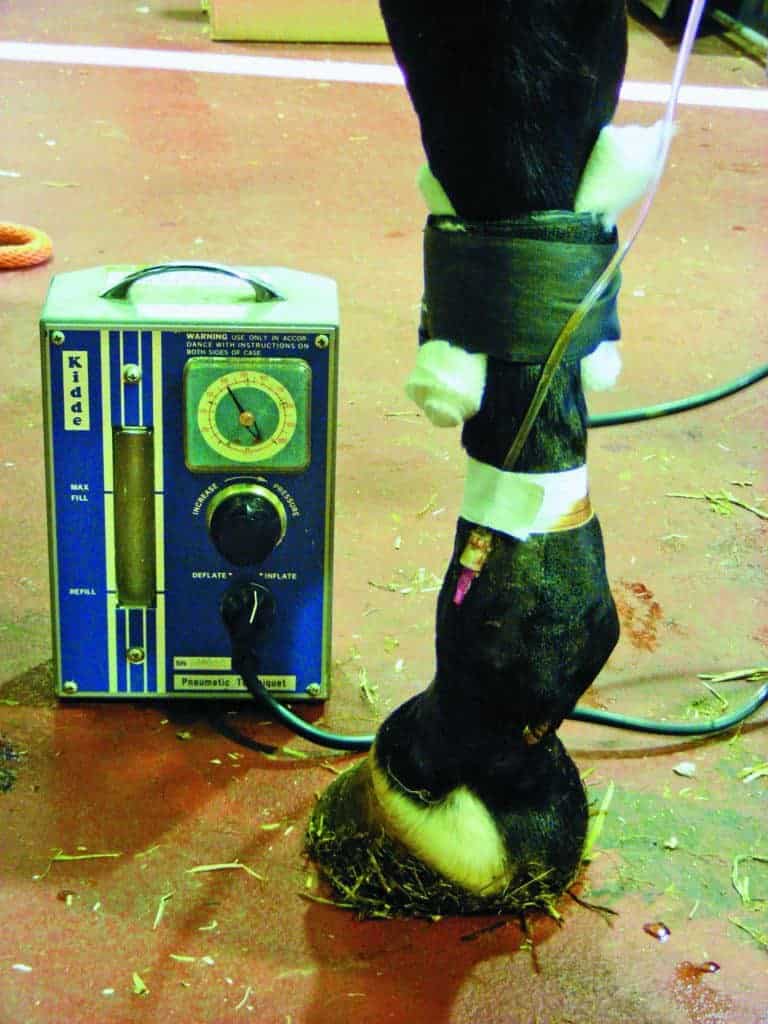
This procedure involves intravenous antibiotic delivery to the lower limb via a vein close to the trauma site.
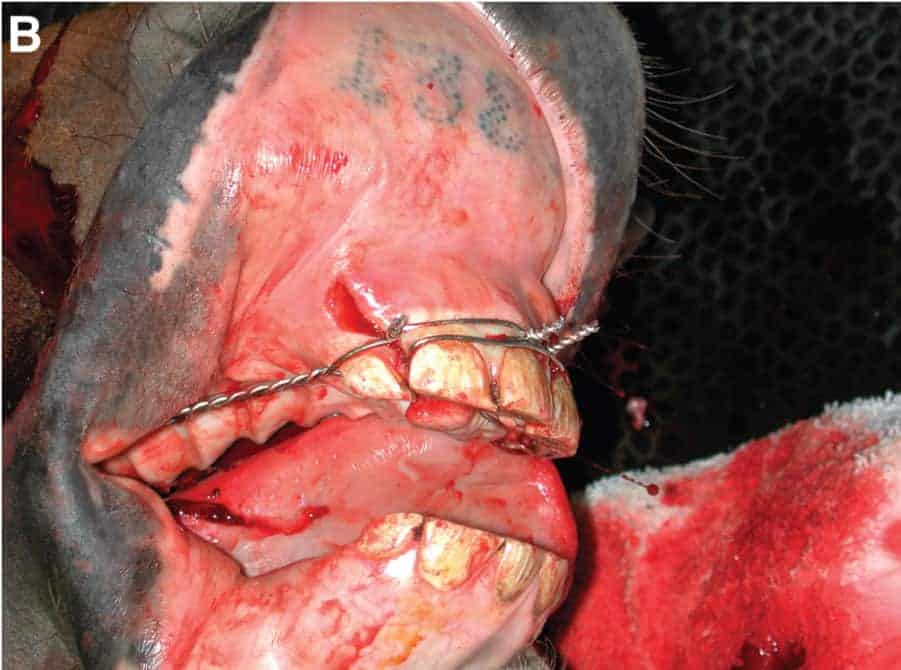
Despite their ghastly appearance most jaw fractures can be repaired relatively easily in a field setting.
A two-week Equine Biosecurity e-Session will be available April 16 – 29 for $75 (plus HST) per person.

The horse’s metabolic processes provide the body with the fuels it needs to sustain itself.
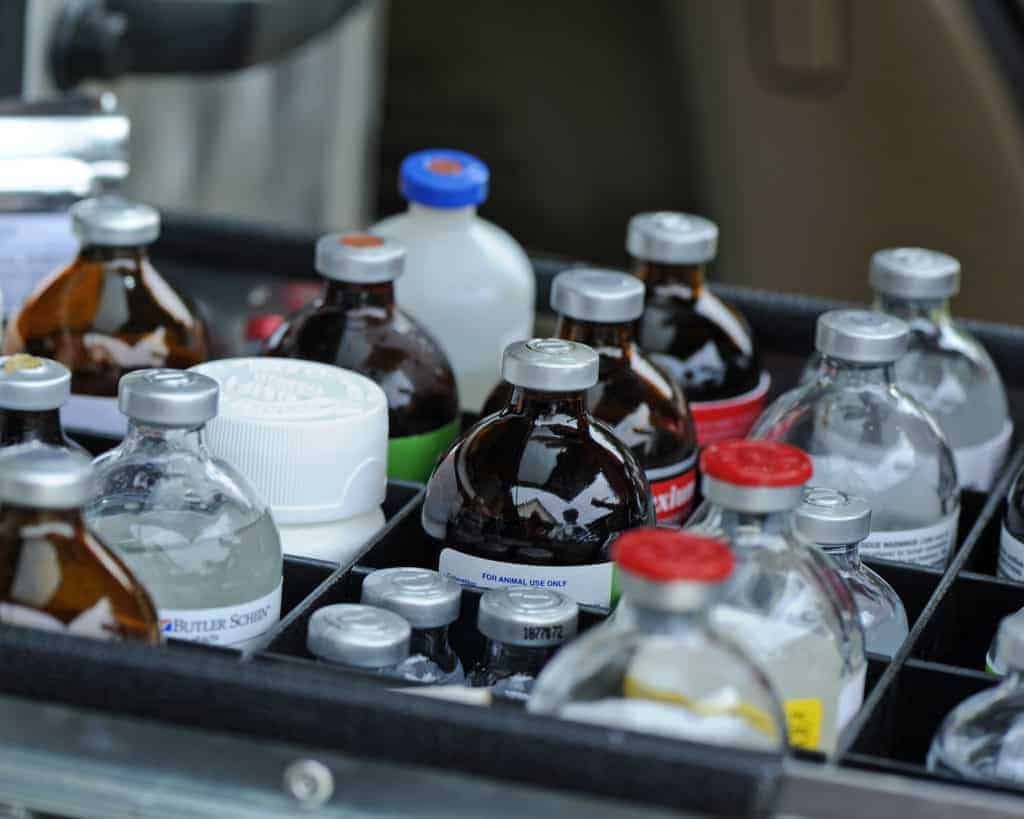
Ensure a bacterial infection that will respond to antibiotics is actually present before beginning treatment.
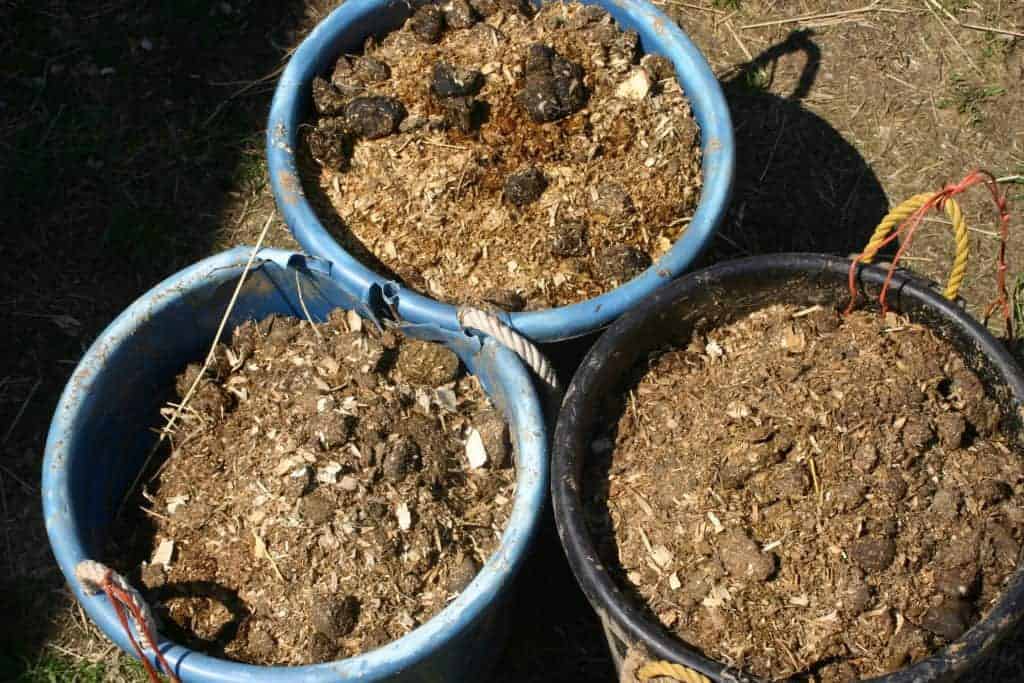
Turn your mismanaged manure pile into an asset with these new technologies.

If a horse eats an adequate diet there might be no need for supplementation without a specific deficiency.
The UHC’s Operation Gelding program has aided in gelding 359 colts or stallions to date.