Compounded vs. Generic Equine Gastric Ulcer Treatments
A veterinarian describes the differences between these two classes of medications in this podcast excerpt.

A veterinarian describes the differences between these two classes of medications in this podcast excerpt.
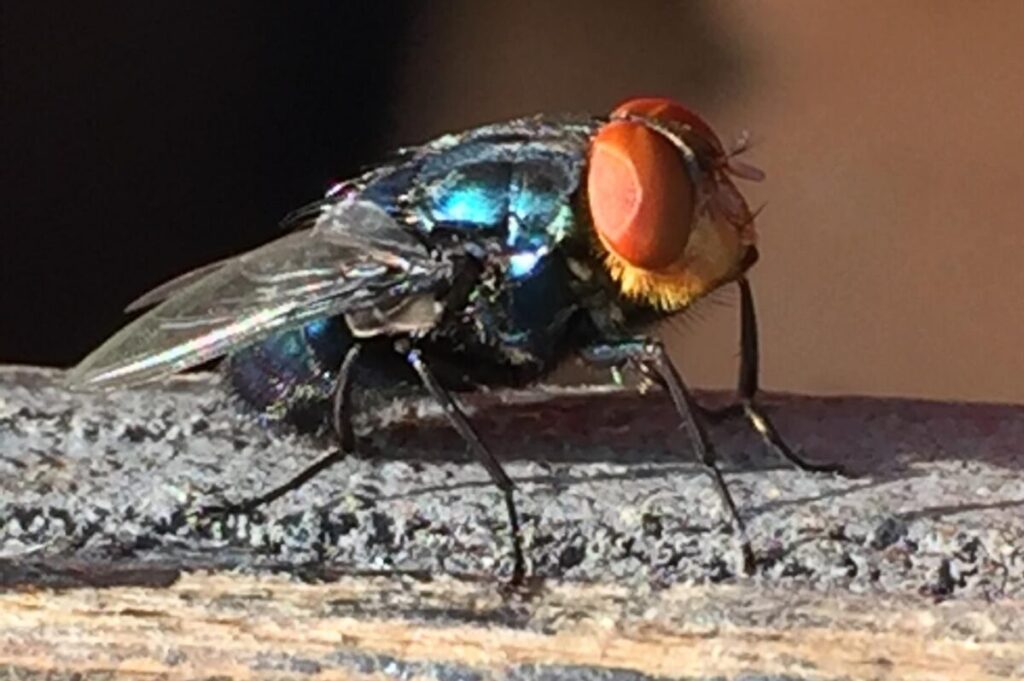
In this podcast clip a veterinarian explains how owners can protect their horses’ summer sores from New World screwworm larvae.

As horses age, they might need additional nutritional support. Read advice on feeding senior horses.

Biosecurity measures remain a critical component to combating ‘strep throat for horses.’

A veterinarian offers tips on how you can prepare in advance to keep your horse calm despite the noise and sight of festive fireworks.

If your horse struggles to keep weight on in summer, here’s how to safely increase his calories.

Airborne pathogens can contribute to disease spread in equine hospitals. Learn how Synexis DHP® technology supports indoor biosecurity.
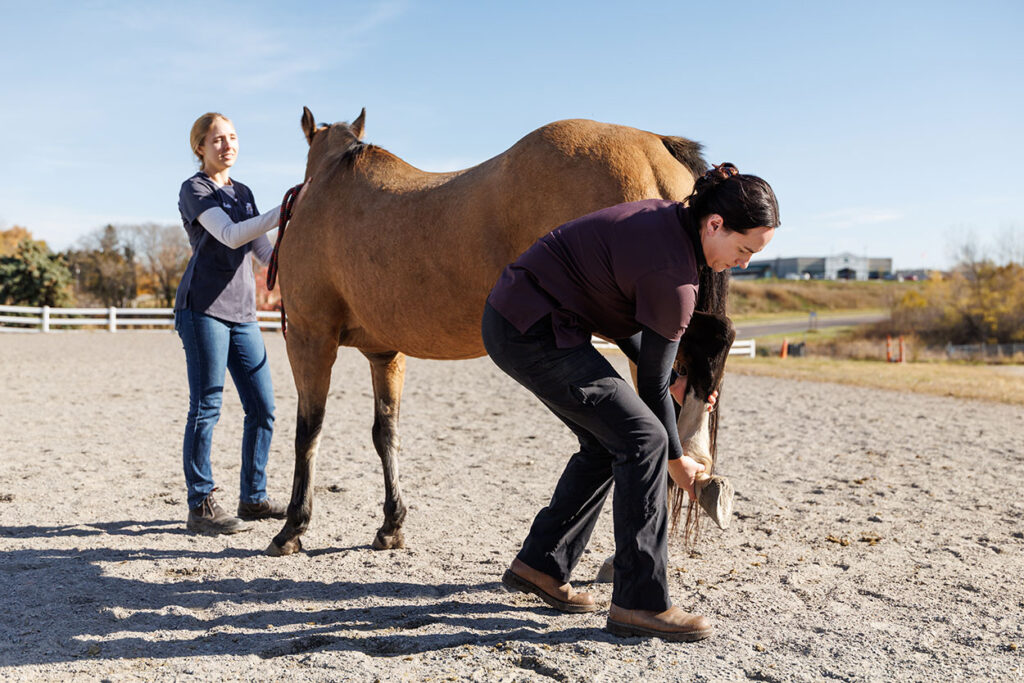
Delaying treatment, letting horses get overweight, and other common mistakes can contribute to arthritis progression and affect comfort and performance over time.

Summer sores can worsen rapidly without prompt treatment. Find out how to prevent these lesions and learn about methods veterinarians use to address them.

Learn how to recognize summer sores in horses and what your veterinarian might do to make a definitive diagnosis.

Explore the causes of and treatments for this common muscular problem in horses, along with prevention methods.

Do you know what to do–and just as importantly, what not to do–if your horse displays vague, mild, or serious signs of what might be colic? Your answer could save your horse’s life. Sponsored by Kentucky Performance Products.

A sports medicine specialist looks at what could cause a Western dressage horse to travel haunches-in when loping to the right.
The USDA confirmed New World screwworm in a Texas calf, underscoring the importance of wound management, fly control, and early detection in horses and other animals.
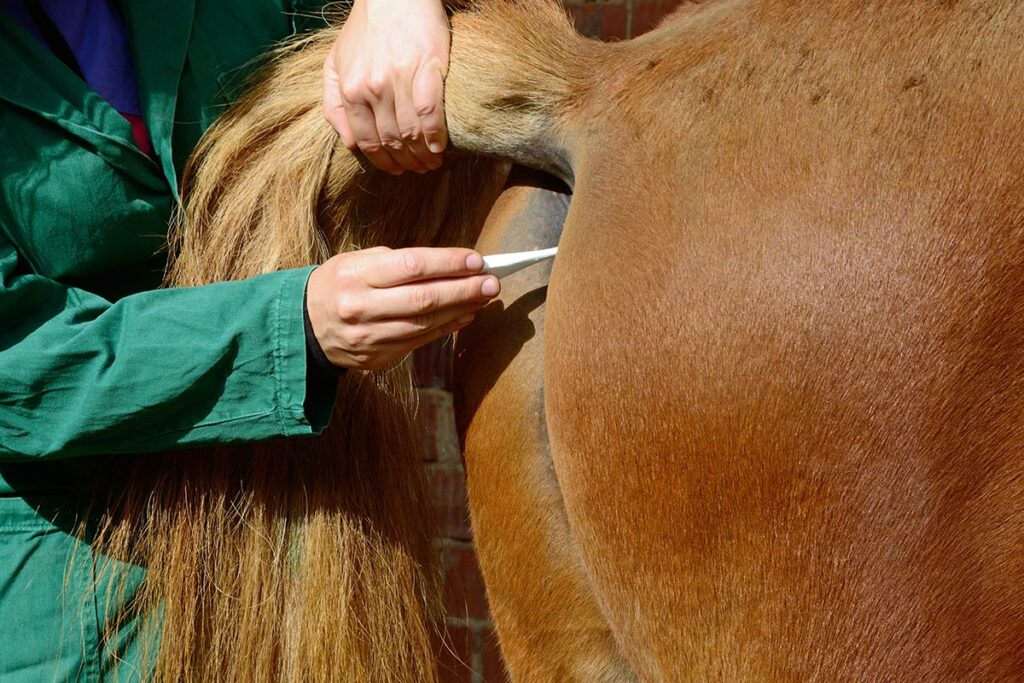
Taking your horse’s temperature is a key health check. New research suggests repeating digital thermometer readings can improve fever detection.

Have your veterinarian perform a fecal egg count reduction test to ensure your horse‘s deworming protocol is effective and to reduce the incidence of parasite resistance.