2018 AAEP Convention: Tuesday’s Top Tweets and Take-Homes
Top tweets from the AAEP President’s luncheon and Tuesday’s educational sessions.

Top tweets from the AAEP President’s luncheon and Tuesday’s educational sessions.

A barn was released from an EHV-1 quarantine, but is the risk for disease transmission gone? A veterinarian weighs in.

Researchers found that treating suspensory ligament branch tears surgically generally yielded a good prognosis and proved superior to noninvasive management. However, they cautioned, surgical intervention is lesion-specific and not applicable to all suspensory branch injuries.

Remember these 3 simple things to help your horse maintain his weight and health this winter.
Strangles is highly contagious and can spread rapidly through horse populations and barns, so quick containment is essential. One veterinarian offers his tips on how to stop strangles from spreading.

Not every owner has access to pasture for their horses. Download this free report to learn more about drylots and special considerations for housing horses in pastureless regions.

Effective Dec. 1, horses granted a therapeutic use exemption can remain on pergolide with no drug withdrawal prior to competition and no need to file a medication report form each time they compete.

Little Kings Buckaroo Renaissance is new resident stallion in the Gluck Center’s parasitology research herd of Miniature Horses.

I purchased a horse, and she came with no health records. How do I get her back on a preventive care regimen?

Dr. Kyla Ortved explains how bisphosphonate drugs work, their use in human medicine, and how they can help horses with navicular syndrome.
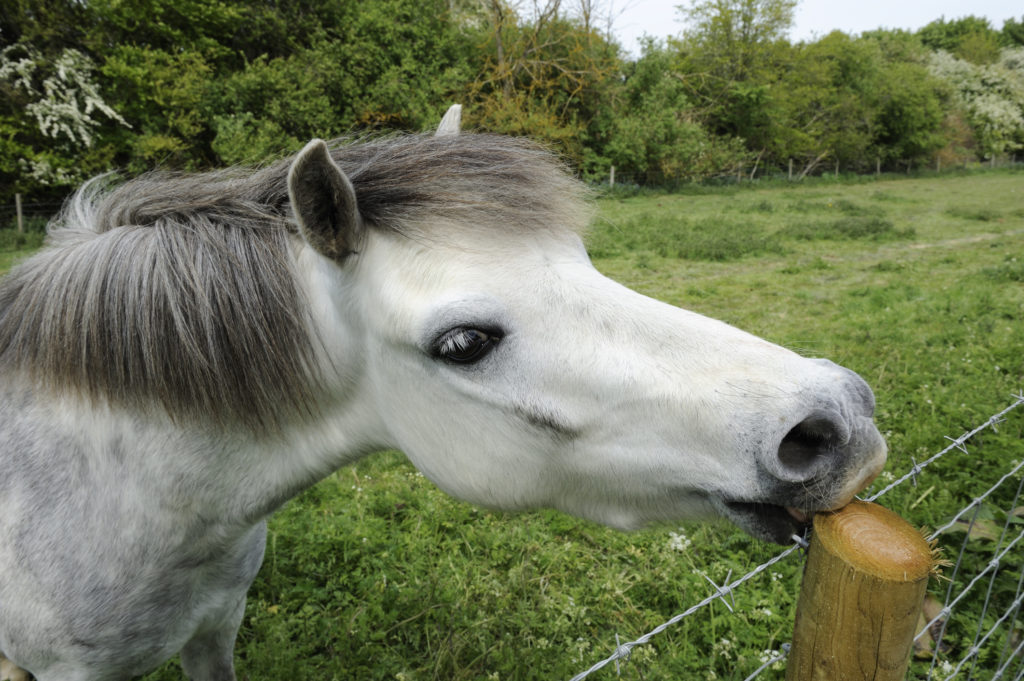
While wire ingestion was once considered a death sentence, researchers recently found that surgery can save some affected horses, especially if the foreign body is identified and treated early.
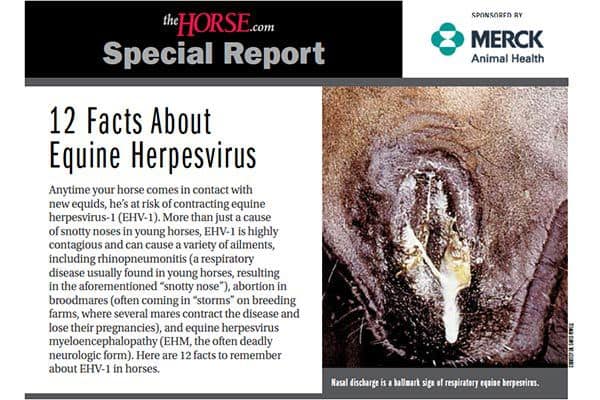
EHV-1 is more than just a cause of snotty noses in young horses. Learn more about this highly infectious disease and how to protect your horse in this special report.

Improperly handled, stored, or administered vaccines can leave horses exposed to potentially deadly diseases.

From initial diagnosis to hoof care and bisphosphonate use, find out the newest information about this debilitating condition.

Ten things that could save your life when you’re on the trail with your horse.

Learn why antibiotics are used to treat certain infections in horses and how you can help prevent antibiotic resistance.