Climate and Vector-Borne Equine Diseases
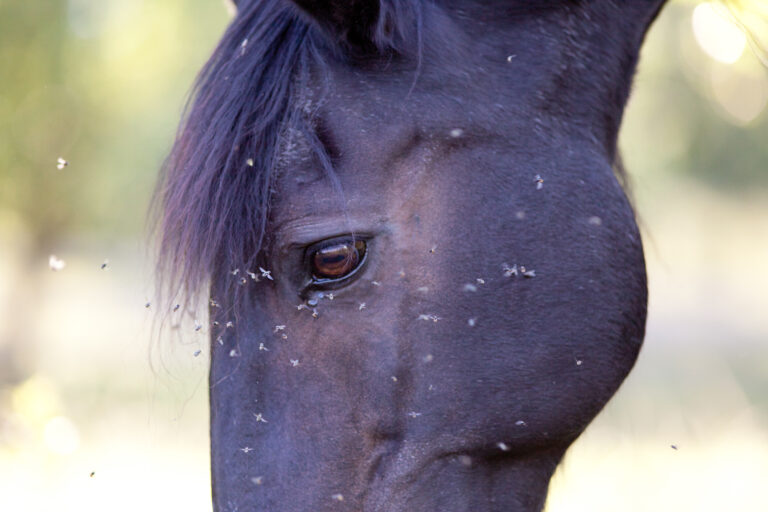
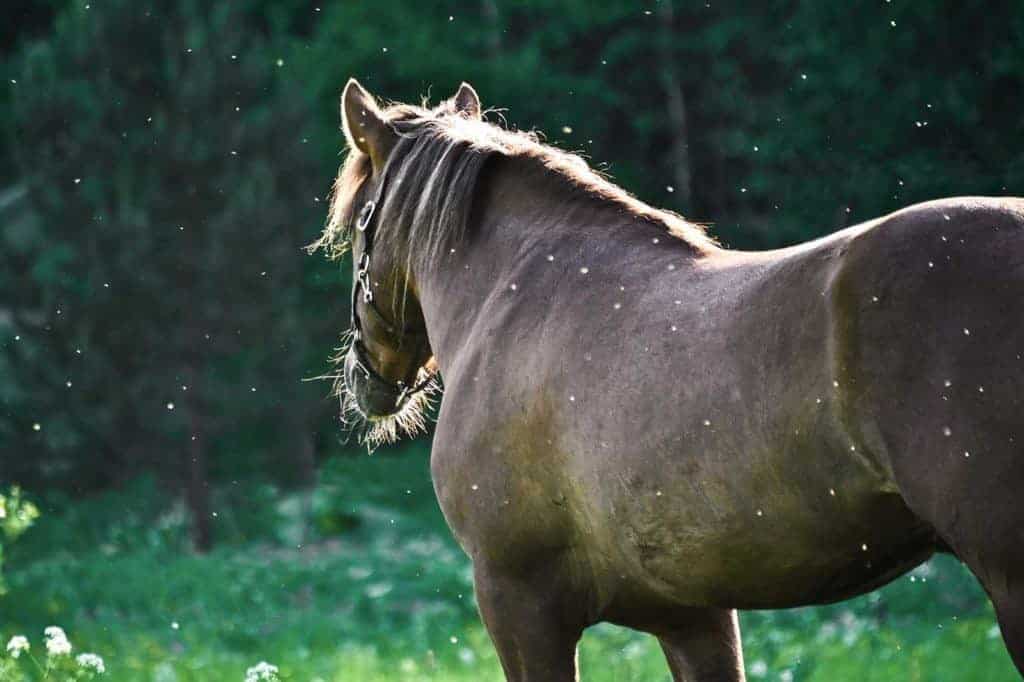
Learn how rising temperatures and higher rainfall totals might lead to an increased risk of mosquito- and tick-borne disease in horses.

Learn how rising temperatures and higher rainfall totals might lead to an increased risk of mosquito- and tick-borne disease in horses.

How to unravel the reason behind your horse’s head-scratching weight loss.

Read some of the top tweets and take-home messages on equine health and nutrition from the 2018 Kentucky Equine Research Conference.

Safe and smart groundwork can help build the foundation for a confident, well-behaved horse.

Steve Reed, DVM, Dipl. ACVIM, of Rood & Riddle Veterinary Hospital, in Lexington, Kentucky, offers his insight about equine herpesvirus-1, including diagnosis, treatment, and prevention.

Working with your veterinarian, farrier, and trainer and considering your horse’s physical, mental, and social needs will help you make the best decision for when and how you should transition him to a more leisurely lifestyle.

In the first of this two-part series, we’ll explore full-body rehabilitation options, from the horse’s head to tail.

Are breathing issues slowing your horse down? Here are some surgical and management options that might help.

Find out how long it takes for a horse to be protected from disease after vaccination. Dr. Elizabeth Davis explains.
Find out from Dr. Elizabeth Davis how vaccines prime the immune system and why some horses might still get sick.

Dr. Jacquelin Boggs shares why horses need a rabies vaccine every year and how long vaccines protect horses in general.

Dr. Elizabeth Davis explains how experts selected the vaccines every horse should receive.

The veterinary technician is often the primary staff member responsible for overseeing recovery from anesthesia.

There’s not one particular approach for rehabilitating injured joints. Here are a few of the options vets have to use.
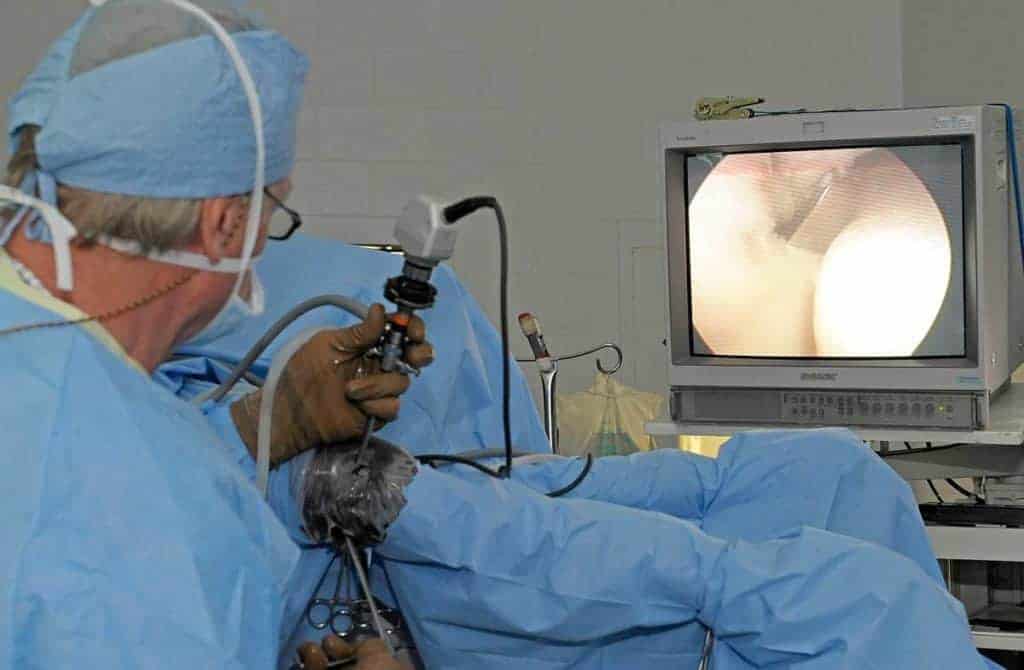
Recent study results suggest the overall septic arthritis rate following surgery was 0.47%, which is similar to previously reported rates. Further, researchers found no association between inpatients’ and outpatients’ septic arthritis development rate.

Equine researchers have begun studying the concept of whole-body inflammation because of its links to a variety of health problems, including “leaky gut syndrome”; musculoskeletal injury risk; and equine metabolic syndrome, insulin resistance, and laminitis.