Stall Rest and Rehabilitation
Stall rest is necessary for treating certain equine injuries and conditions. However, keeping a horse happy and healthy during recovery is often a challenge.

Stall rest is necessary for treating certain equine injuries and conditions. However, keeping a horse happy and healthy during recovery is often a challenge.
His owners elected euthanasia after the colt began showing laminitis signs in one of his uninjured legs.

The panelists will answer questions on managing your horse during stall rest and rehabilitation.
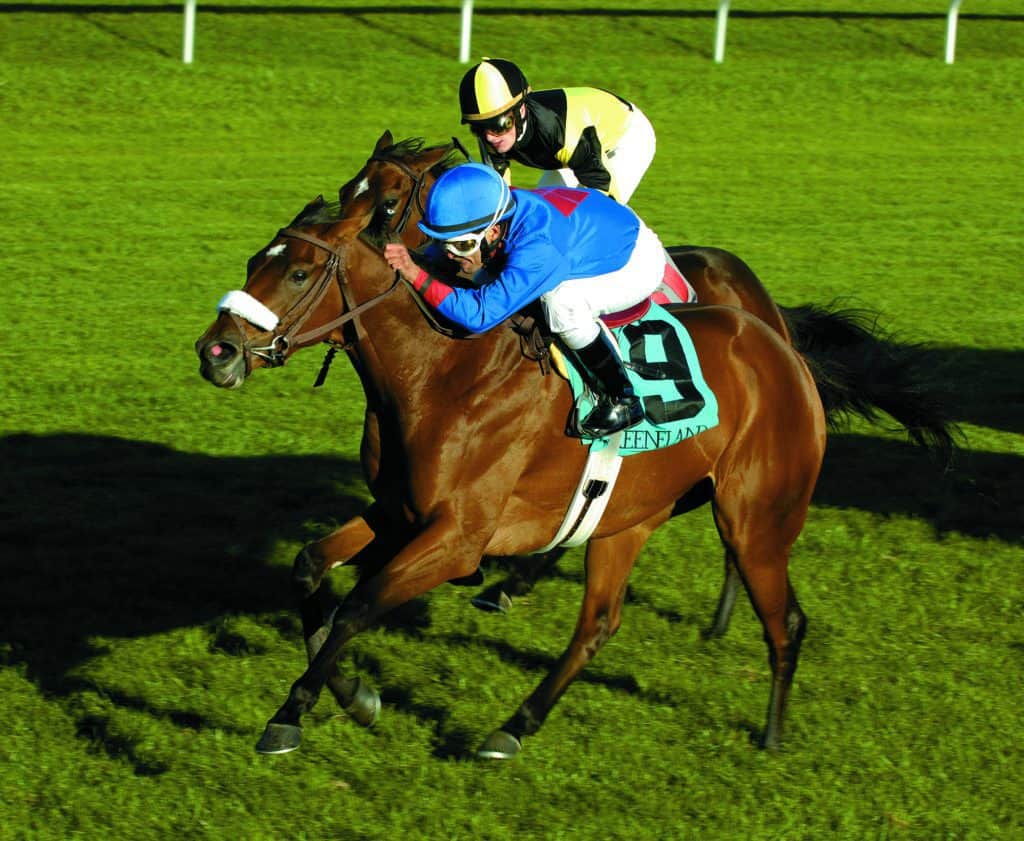
Standing fracture repair avoided general anesthesia risks and allowed most study horses to return to racing.

Recent work suggests surgery could be an option for headshakers, with a long-term success rate of nearly 50%.

Post-anesthetic myelopathy is a rare but deadly complication of general anesthesia in horses.

Although injured horses need time off, they could need greater amounts of some nutrients than during training.

Study links common post-surgical heart arrhythmia in horses to anesthesia, surgery, and recovery.
Vets should consider research results when recommending mesenchymal stem cell therapy for equine injuries.
The colt sustained a long pastern chip fracture during Saturday’s Kentucky Derby.
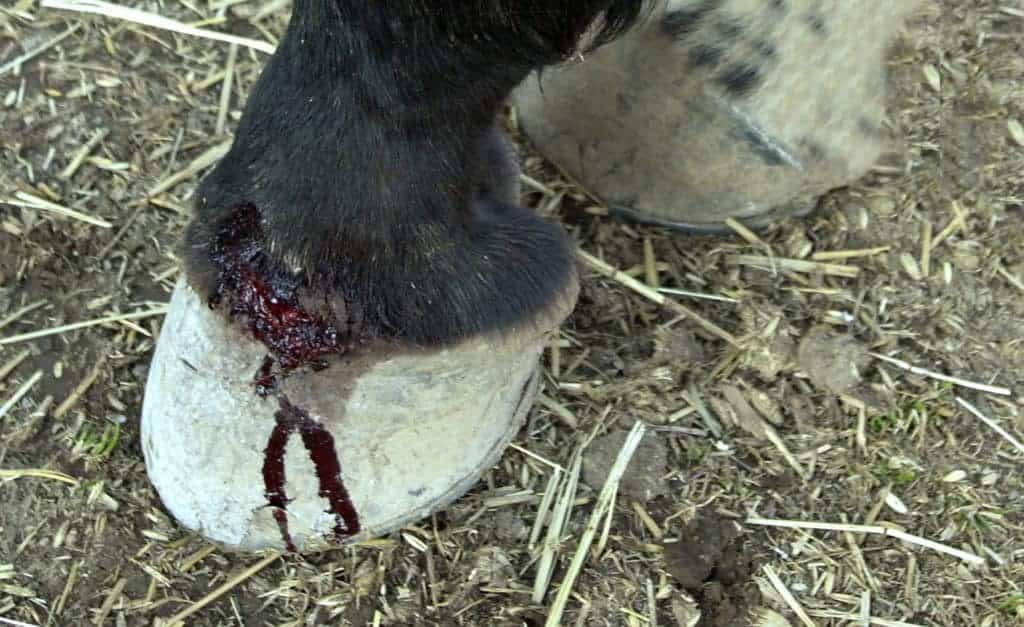
Delayed wound closure involves suturing wounds four to five days after injury.
A public open house is scheduled for April 28, from noon to 3 p.m. at the equine rehabilitation center.

Why do some horses seem predisposed to experiencing colic episodes? And, if your horse has colicked in the past, what can you do to help prevent it from happening again?
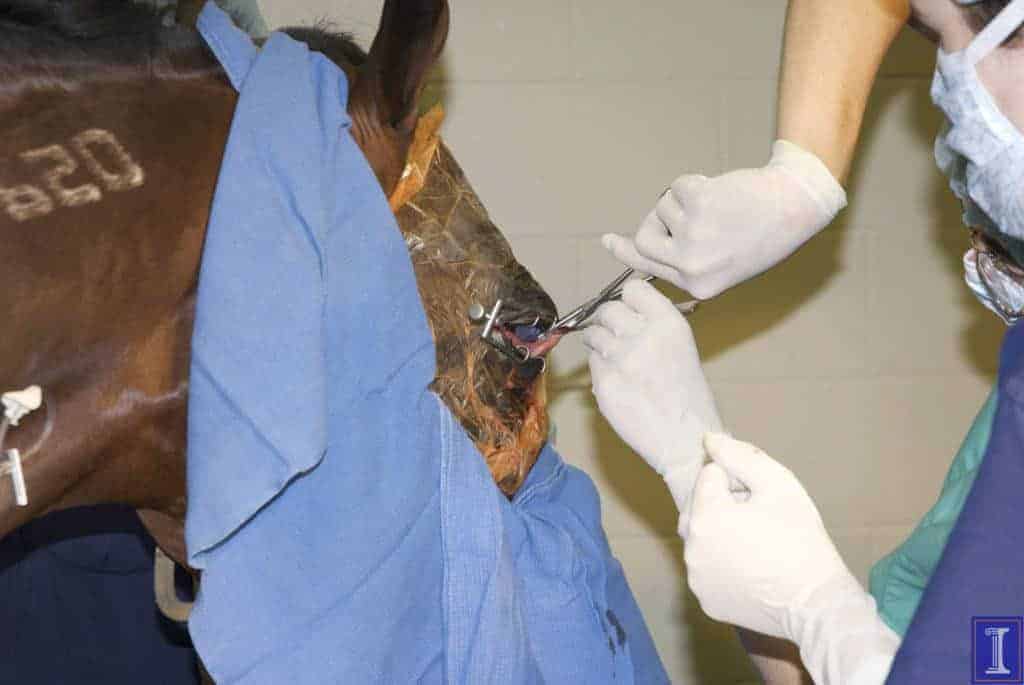
Removal of the equine third eye lid using sedation and local anesthesia appears to be safe and effective.

An equine surgeon described an improved casting technique to reduce cast complications.
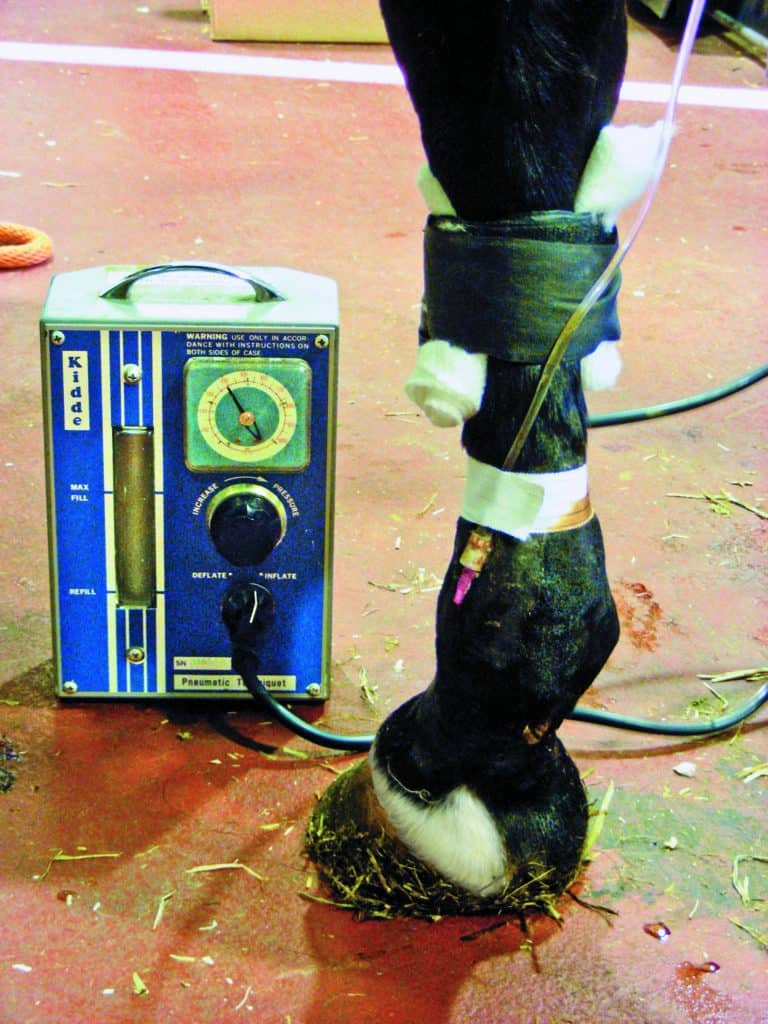
Regional limb perfusion can be performed safely, effectively, and comfortably without general anesthesia.