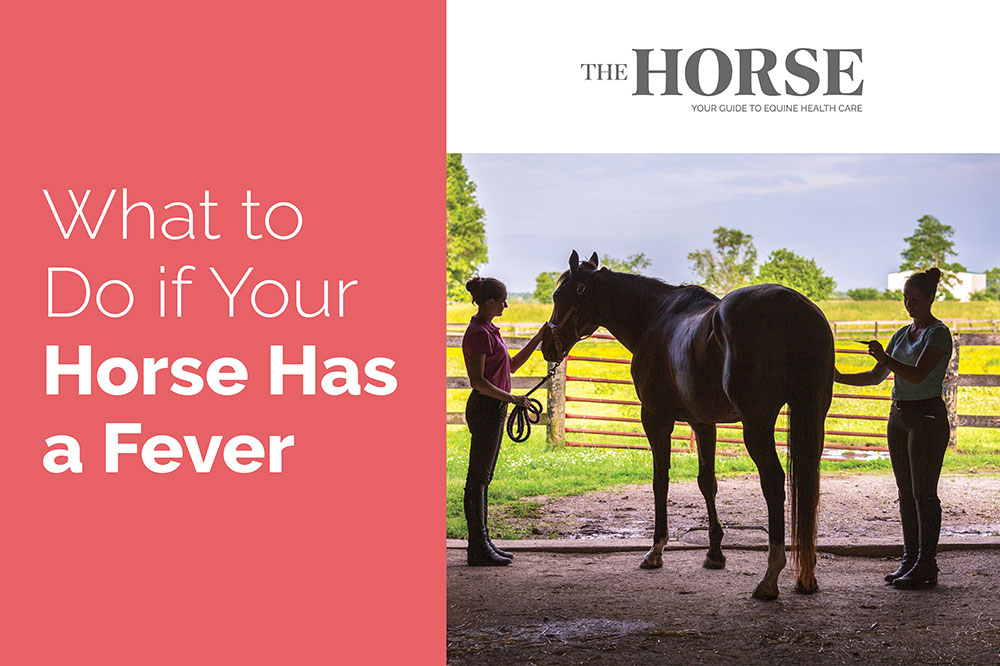
What to Do if Your Horse Has a Fever
Understand the causes of your horse’s fever to be able to take quick action before a situation becomes critical.

Understand the causes of your horse’s fever to be able to take quick action before a situation becomes critical.

Find out what conditions, beyond lameness, a veterinarian might uncover during a prepurchase exam.

Can you see the signs of stress? Equine behavior experts share what to look for in your horse.

A brief physical exam allows you to collect important information to relay to your veterinarian before he or she can reach the farm.
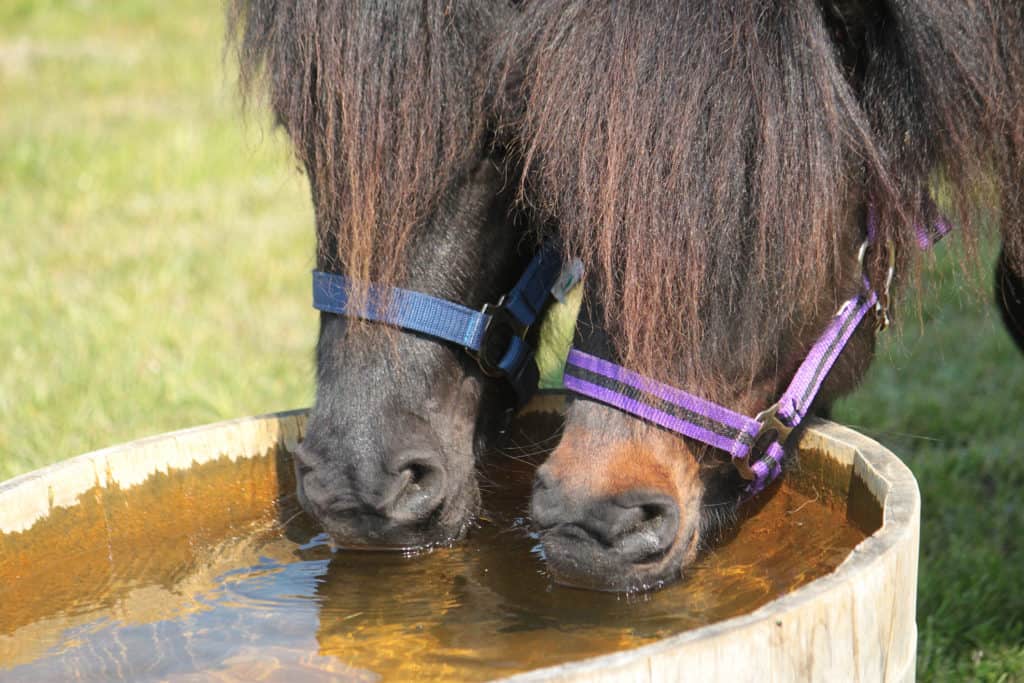
We consulted two equine nutritionists to answer your burning questions about horse hydration. Here’s what you need to know.
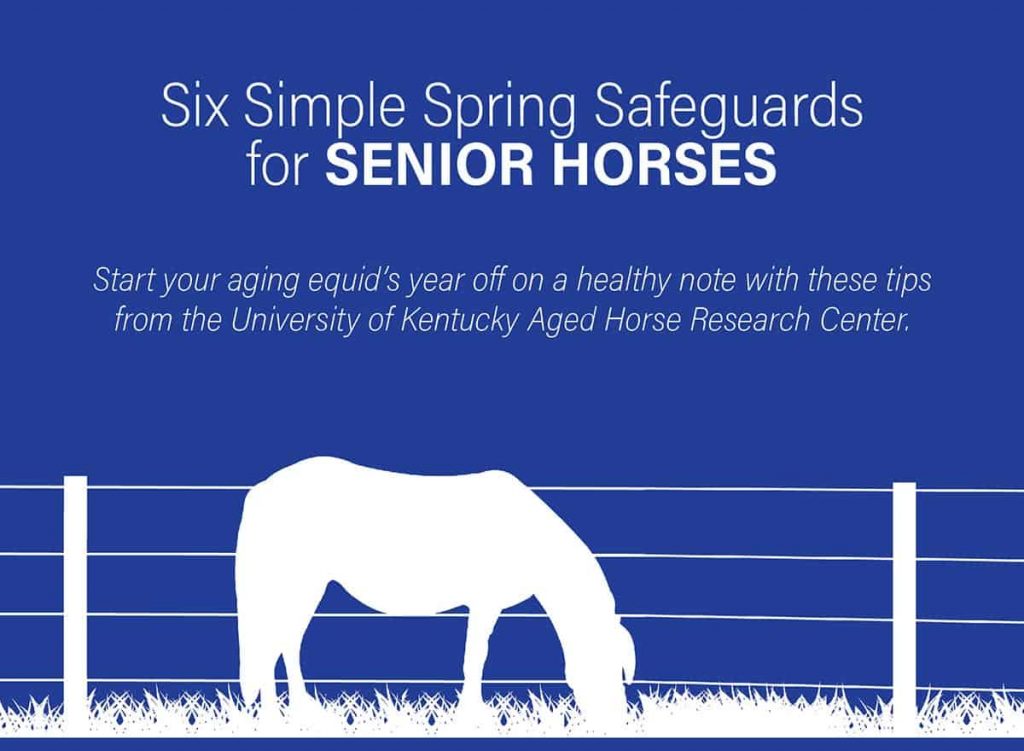
Ensure your senior horse or pony is prepared for a healthy and happy year ahead.

Dr. Christine Johnson of Leclair Equine, in Berthoud, Colorado, demonstrates how to listen for gut sounds.

A veterinarian describes how to safely check your horse’s capillary refill time.
This step-by-step graphic will guide you through your horse’s blood test results.
Learn about serum amyloid A and how veterinarians can use it for early identification of inflammation in horses.

Knowing how to look inside your horse’s mouth safely can help you catch problems early.

Confused by the various vaccine types, schedules, and administration routes for horses? Here’s what you need to know.
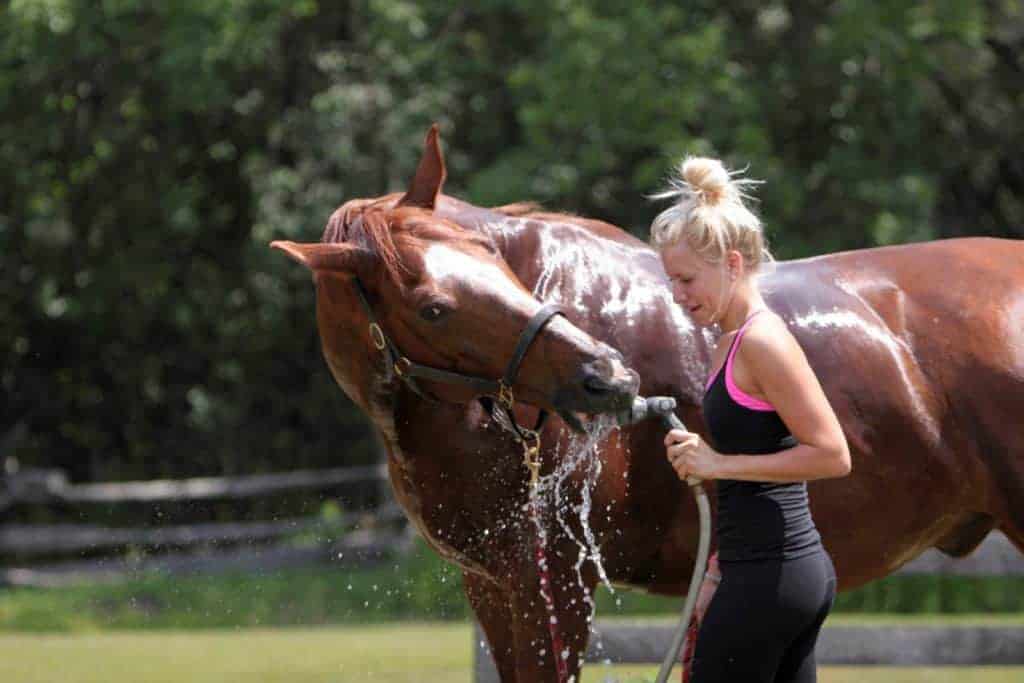
As tough as steamy summers can be on humans, they can be even harder on horses. Two veterinarians share tips on how to help your horse beat the heat this summer.

Measure and understand your horse’s unique exercise heat patterns so you can promote recovery and prevent heat stroke.

Remember these three core biosecurity steps to help keep your horses as well as your fellow competitors’ horses healthy.

Taking temps daily, whether rectally or via a microchip with an integrated temperature biosensor, can help you catch and track outbreaks.