Horses’ Long-Term Memory Put to the Test
Researchers confirmed that horses retain what they learned a long time ago–for better or for worse.

Researchers confirmed that horses retain what they learned a long time ago–for better or for worse.
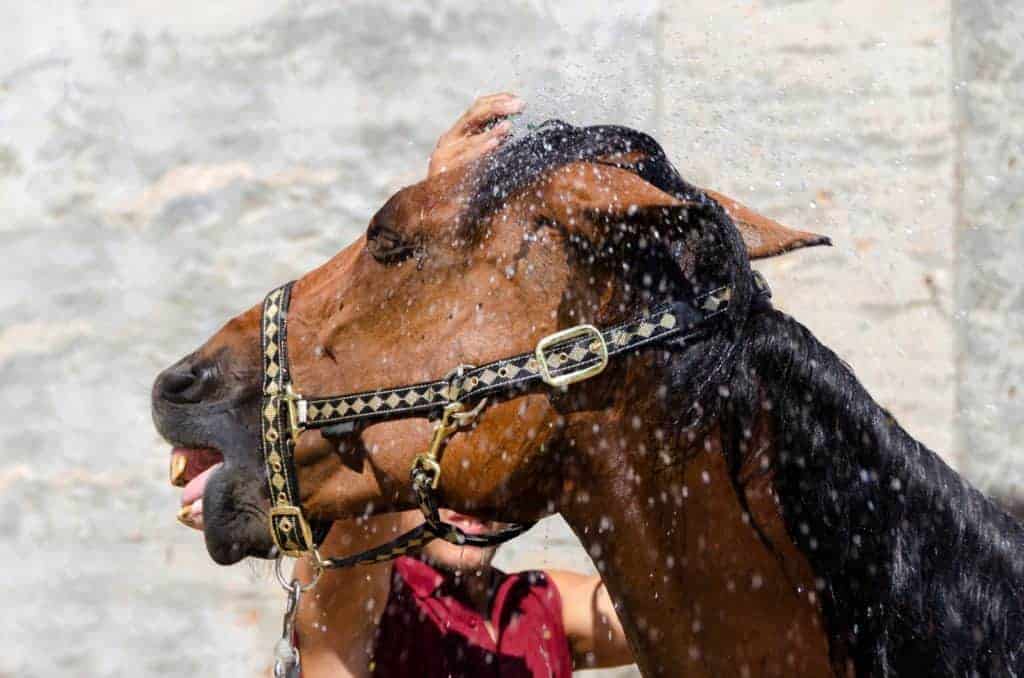
With improved understanding of equine behavior, riders can avoid potentially harmful horse situations.

Can a horse’s ears predict a his responsiveness to a task such as jumping? Researchers found out.
Connecticut horse owners anxiously await a ruling that could declare horses a naturally vicious species.
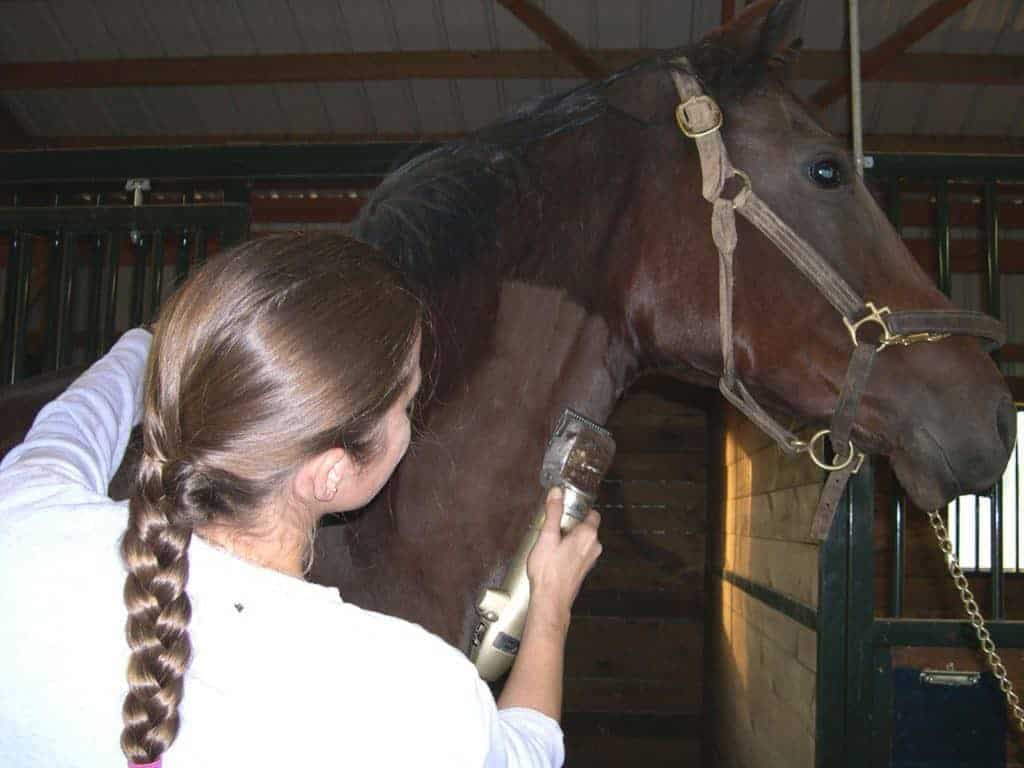
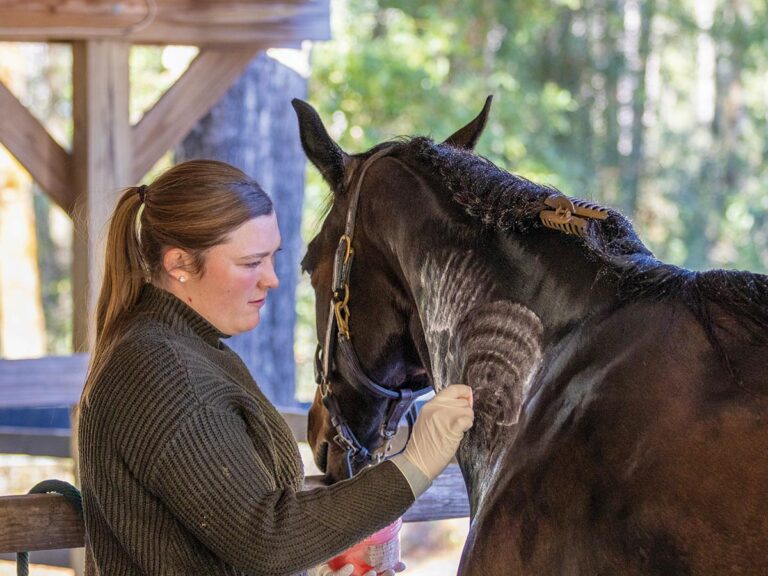
Study results suggest that even if horses don’t seem to mind clipping, they might still find it stressful.

Feeding hay before grains appeared to reduce the intensity of cribbing episodes in a recent study.
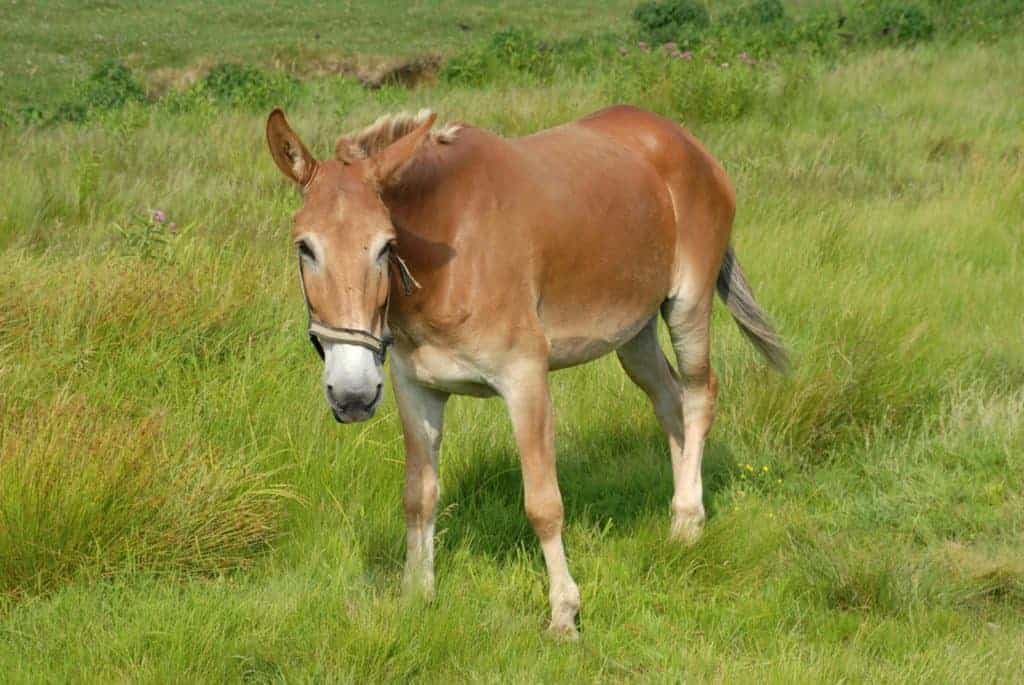
Mules appear to have a faster capacity to navigate around objects than horses and donkeys, researchers say.

However, young horses were able to detect more obvious human body cues like finger-pointing.
Both of my well-mannered mares try to nip at me when trotting in-hand. Is there a reason why horses do this?
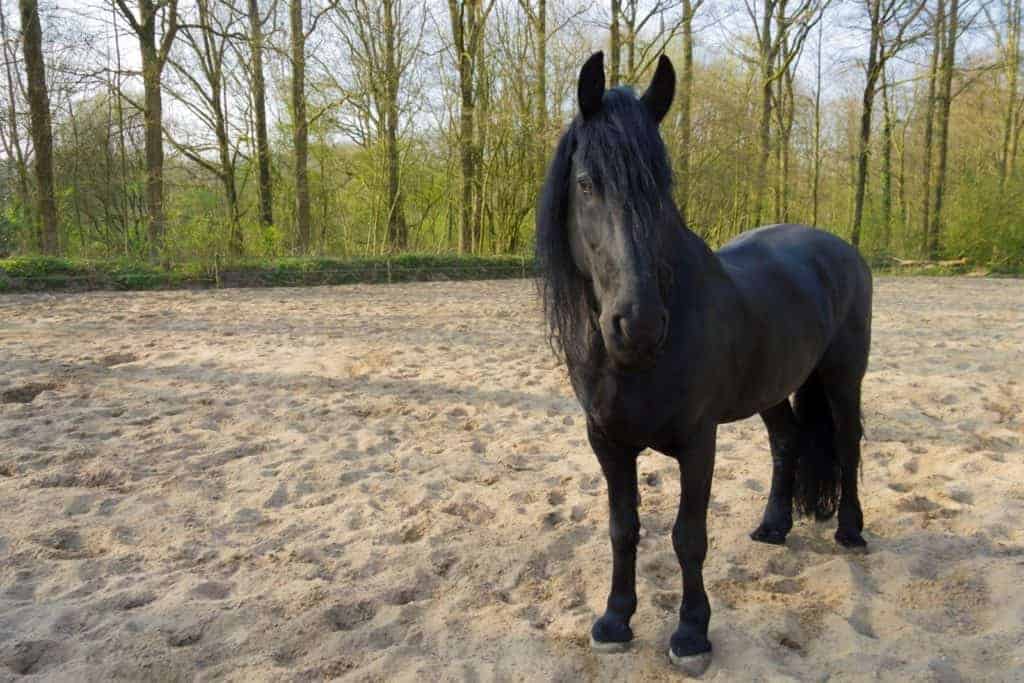
Researchers developed a test to find out whether horses are optimistic, pessimistic, or somewhere in between.
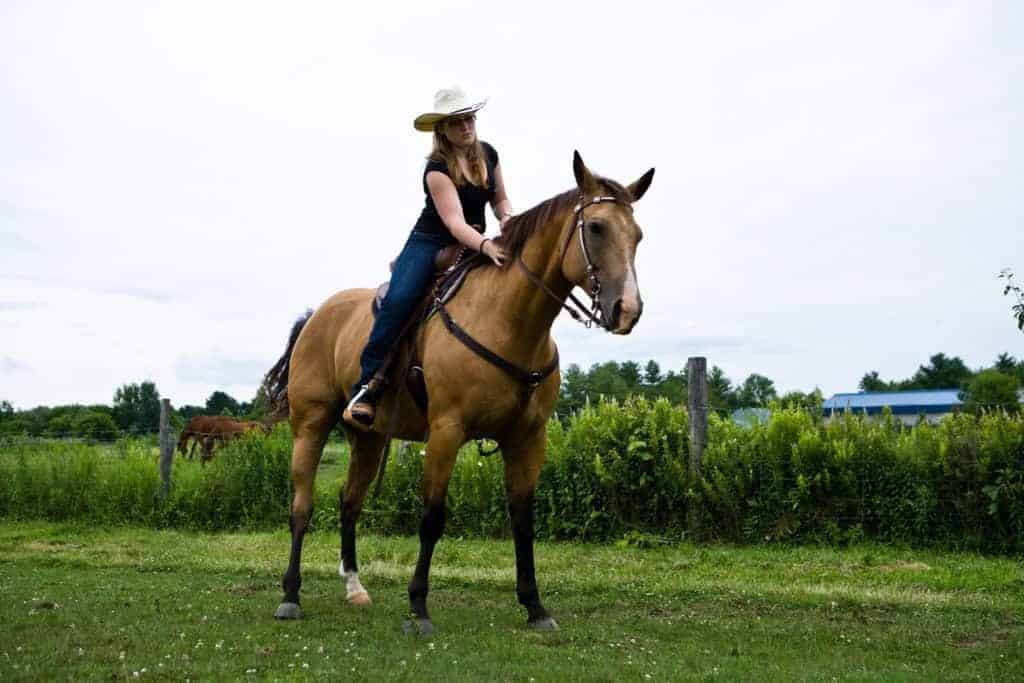
Researchers proved that horses can become “lighter” with proper negative reinforcement training.

Why do horses act so suspicious of water they cross regularly, and what can we do to build their confidence?
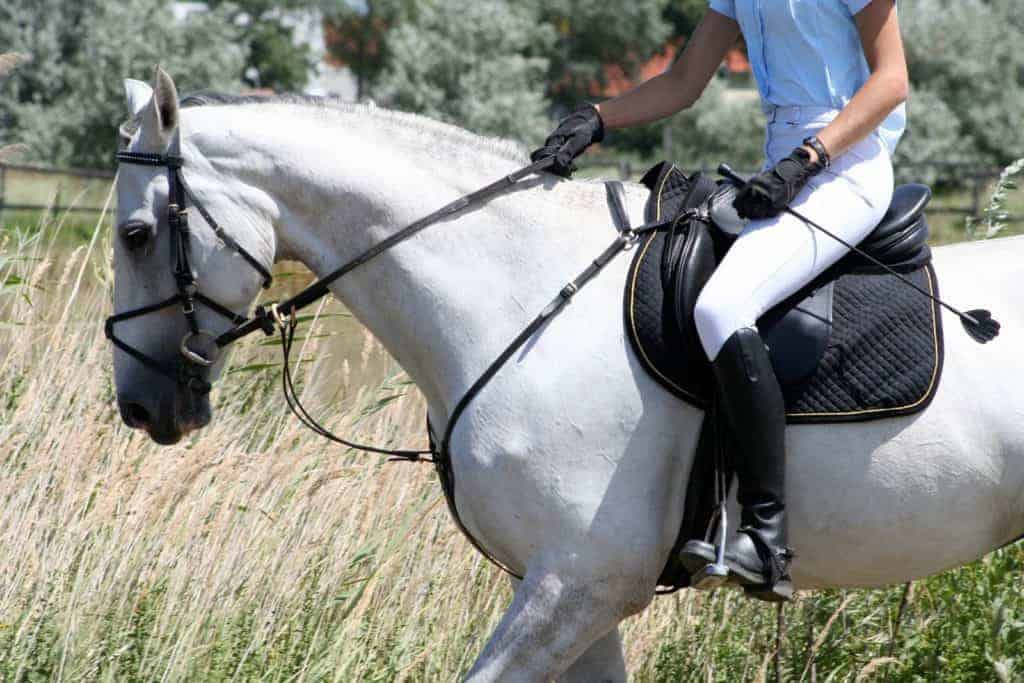
Researchers take a look at whip use by jumper riders and how it relates to performance outcomes.
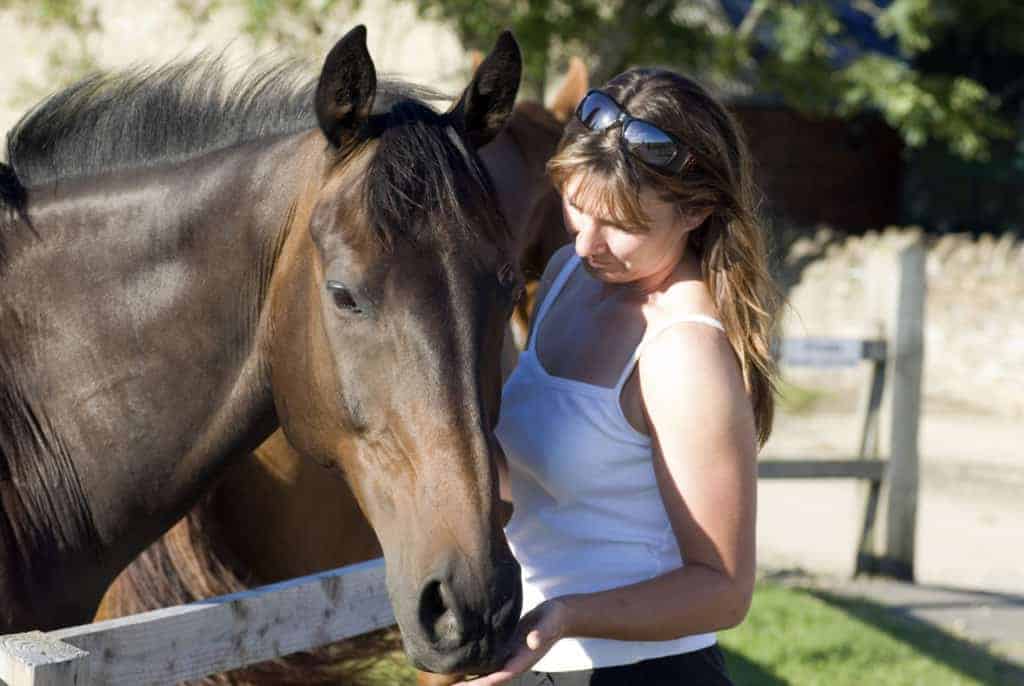
It seems like horses respond to changes in human voice tone, but is it a coincidence? Researchers found out.
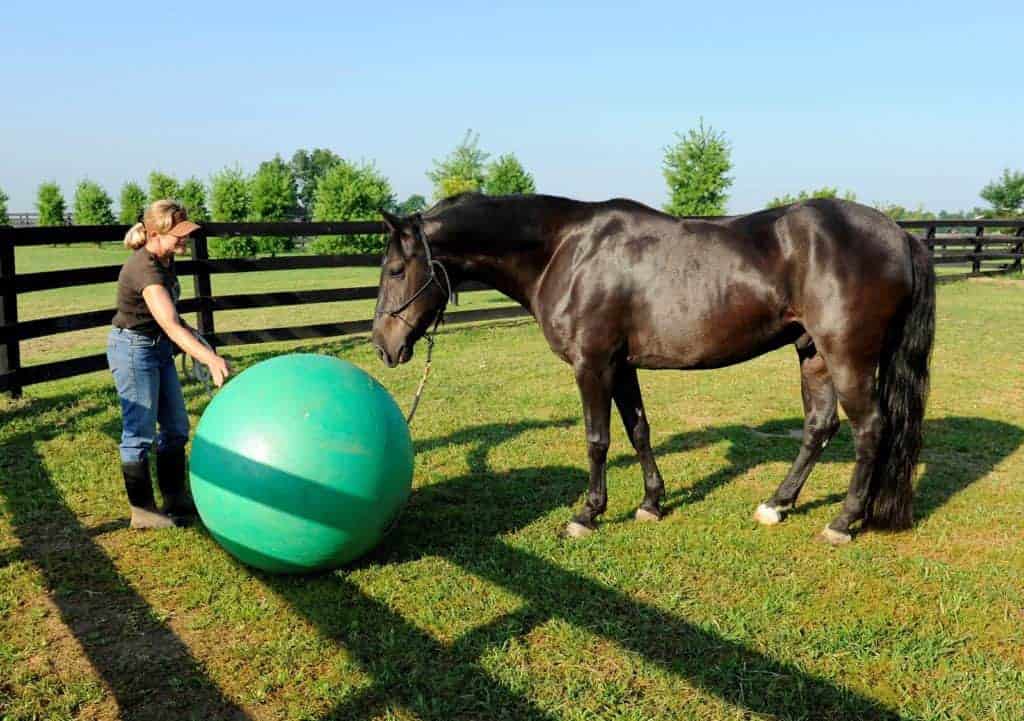
One of the most consistent indicators of equine temperament is a horse’s novelty response, researchers say.

Researchers estimate that if a horse investigates an object for 13 seconds or more, then he is likely playing.