Frequent Feeding Reduces Group-Housed Horses’ Aggression
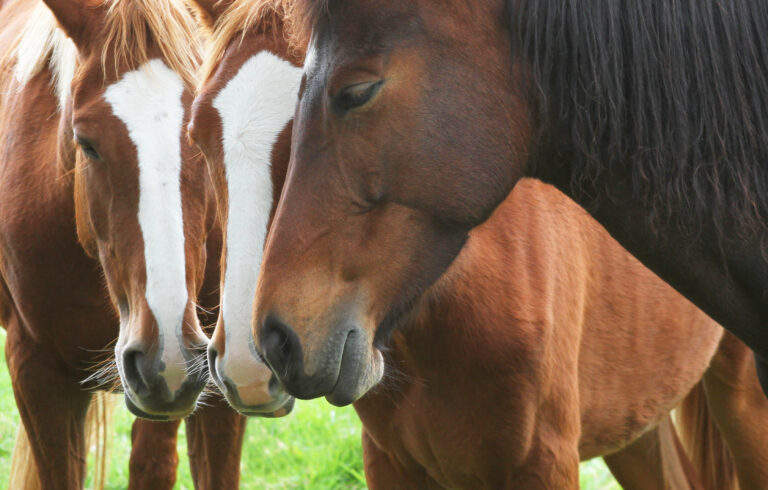
More frequent forage feedings for group-housed horses could lead to a balance between feeding and resting.

More frequent forage feedings for group-housed horses could lead to a balance between feeding and resting.

Dr. Sue McDonnell describes the regular care and maintenance of UPenn’s semi-feral pony research herd.
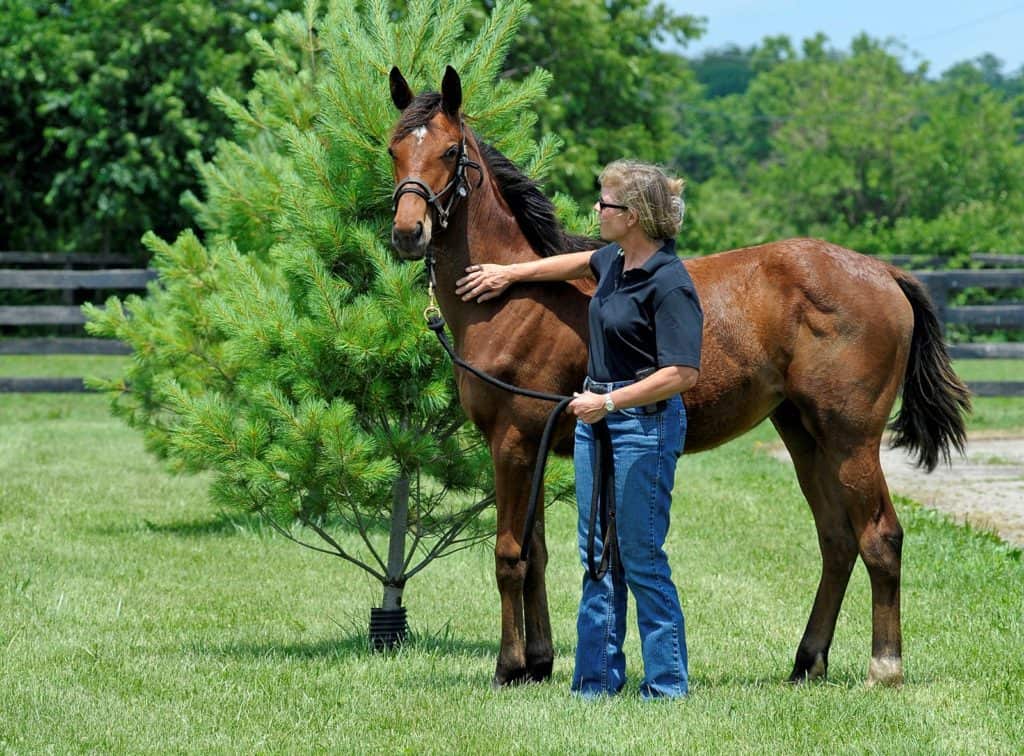
Training efficacy and stress levels were similar in the negative and positive reinforcement groups.
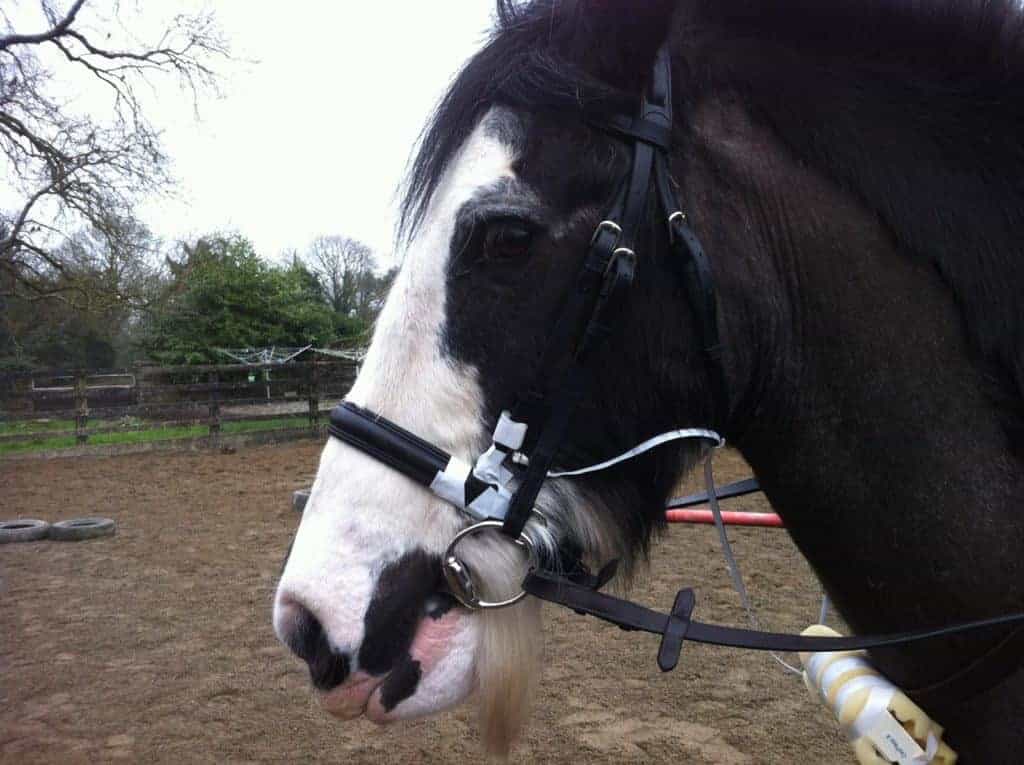
Researchers recently developed two pressure detection systems to measure pressure exerted by nosebands.

Dr. Temple Grandin, a professor of animal science at Colorado State University, talks about how horses experience fear.
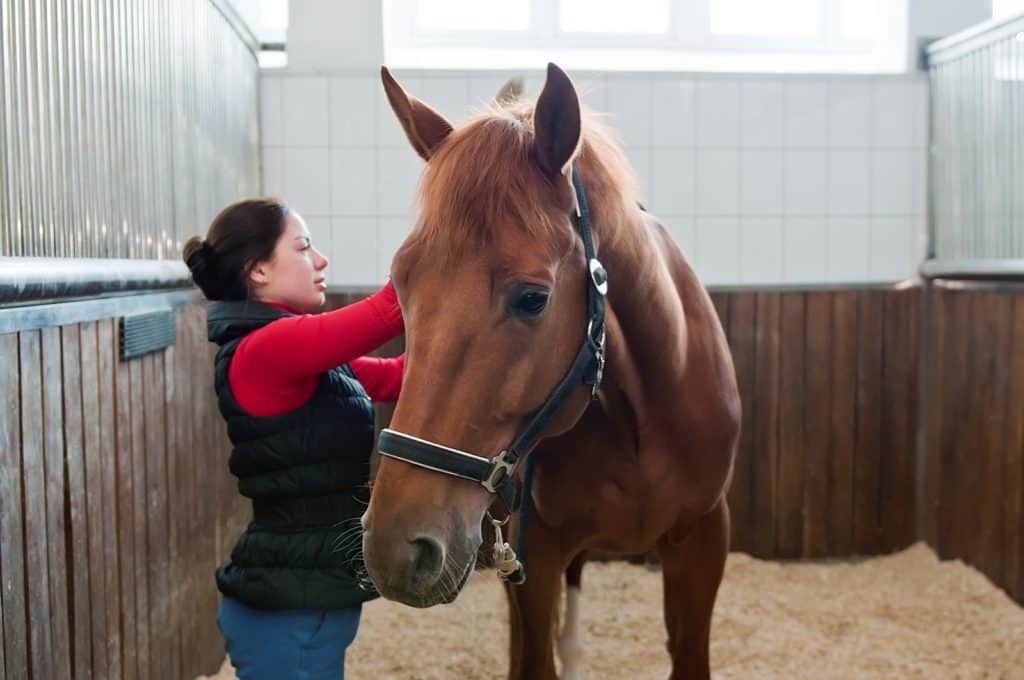
Horses undergoing T-Touch exhibited fewer aggressive reactions than those experiencing massage or rest.
The conference brought together delegates from 14 countries to discuss equine behavior and welfare.

Training outcomes are affected by a horse’s arousal state and his attachment to his trainer, scientists say.

Researchers found that 11.03% of the racehorses evaluated performed some stereotypy or abnormal behavior.
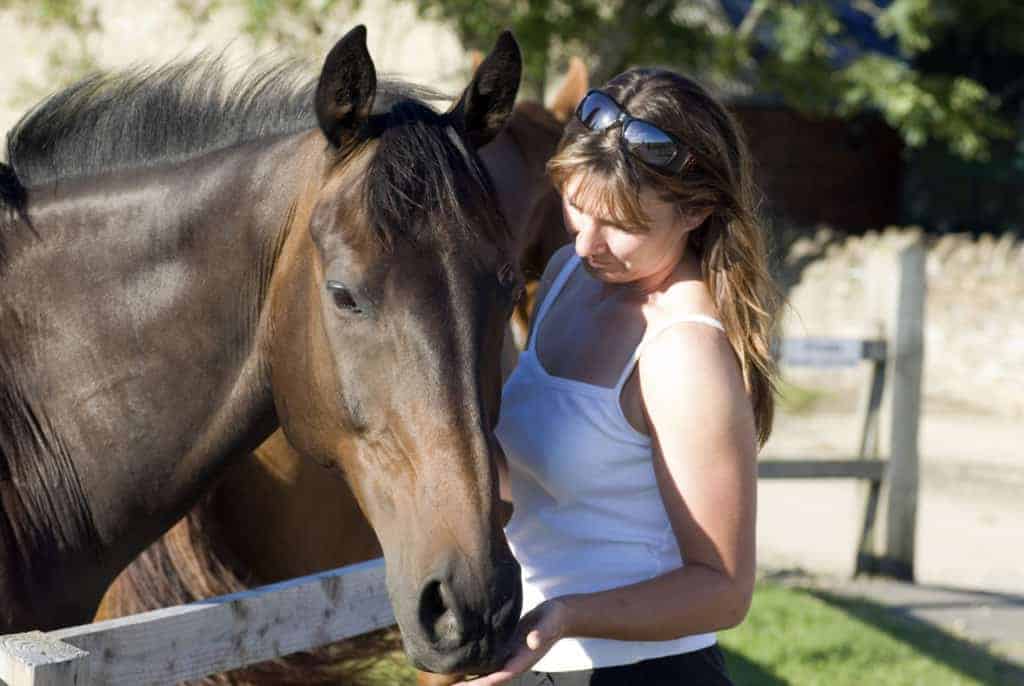
Researchers studied whether speaking in a soothing tone has a beneficial impact on the horse.
View some of the top tweets from the second day of the International Society for Equitation Science conference
Greater knowledge about horse body language could mean fewer horse-related accidents in Danish riding schools.
View some of the top tweets from Day 1 of the International Society for Equitation Science conference.
This year’s conference theme is “Embracing Science to Enhance Equine Welfare and Horse-Human Interactions.”
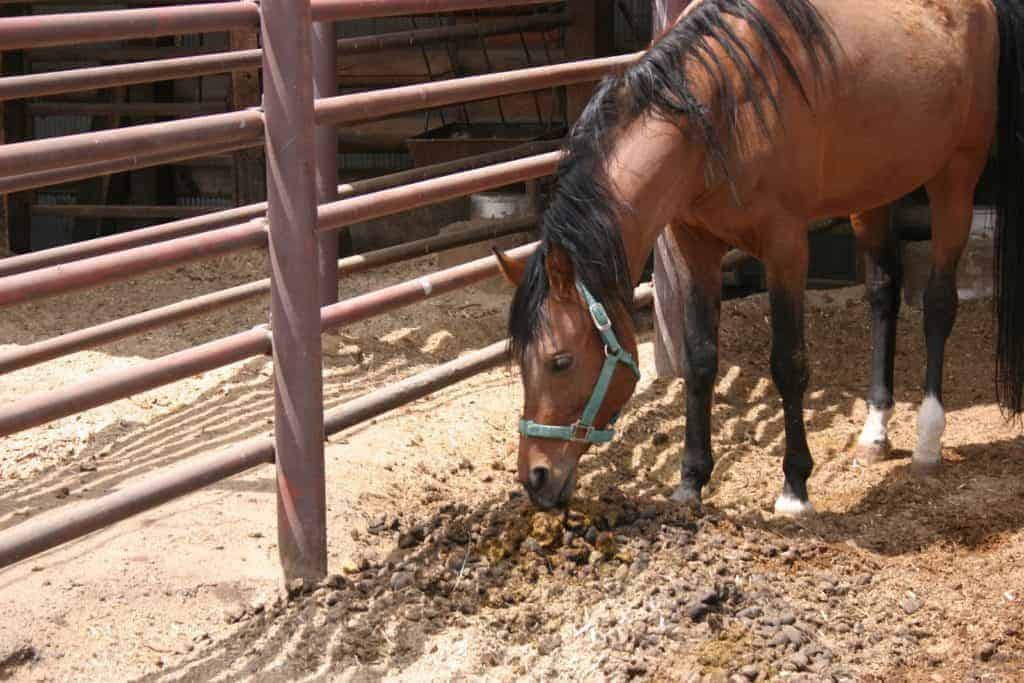
We don’t expect our horses to eat things like dirt or manure, but sometimes they do.
Will forming a bond with my horse help keep him from bolting when riding in the arena and around the paddocks?