Dealing With Enthusiastic Equine Learners
Learn how to modify an overzealous carrot stretcher’s behavior.

Learn how to modify an overzealous carrot stretcher’s behavior.

Is it cause for concern if a horse lies down frequently?

Stay safe when you’re on the road with your horse with these tips for trailering and working around a rig.

How do you deal with negative trailer behaviors such as kicking and pawing while on the road? An equine behavior expert shares advice.

Orphan foals raised with a correct balance of nutrients and monitored for growth, food consumption, and weight gain can be every bit as tall, strong, and athletic as foals raised by their dams.

Here’s why your horse might run away when it’s time to come in from turnout and how you can work to solve the problem.

Veterinarians share their recommendations for managing orphan foals, including diet challenges and behavior issues.
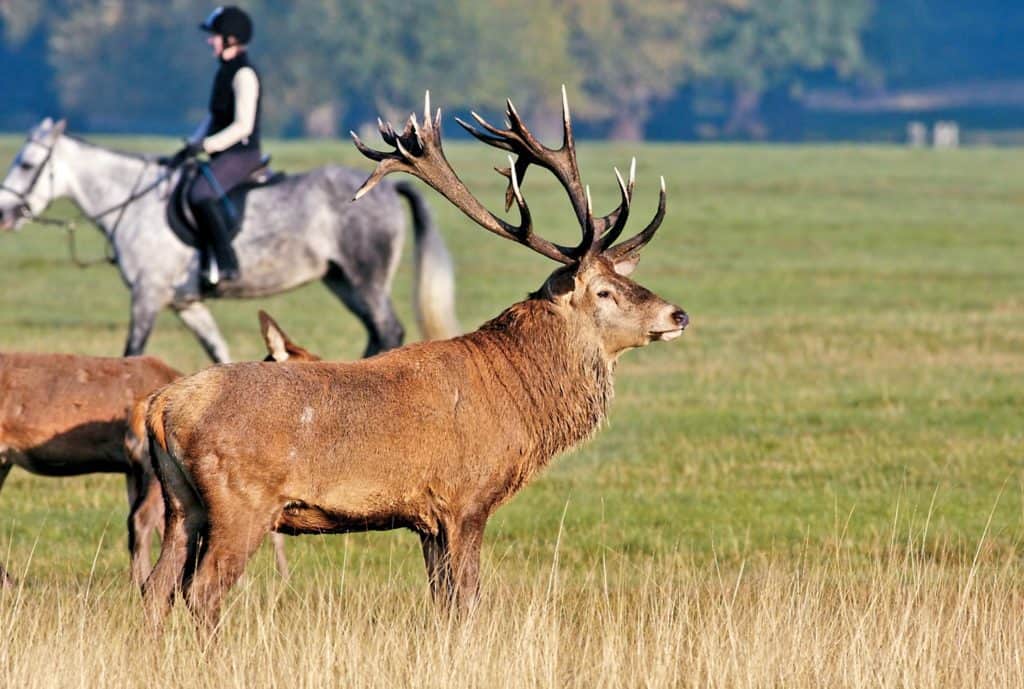
Before you hit the trail, make sure both you and your horse are prepared for any wildlife encounters that might occur.

Is there any proof than chestnuts are more hot-blooded than horses of different colors? An equine behaviorist weighs in.

Horses described by their handlers as passive, stubborn, and confident rather than intelligent, curious, and playful appeared to cope better with the demands of police horse life, researchers learned.

Researchers found that both trained and untrained individuals can use a ridden horse ethogram to identify behaviors likely indicative of musculoskeletal pain, but being educated about the ethogram produces the best results.
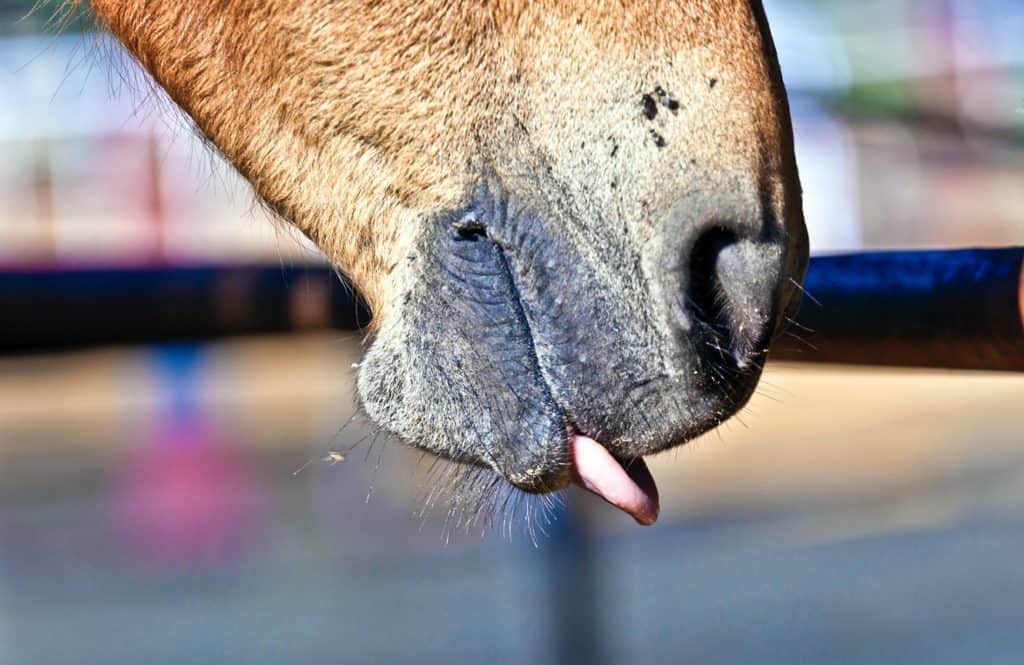
What does “licking and chewing” really mean?
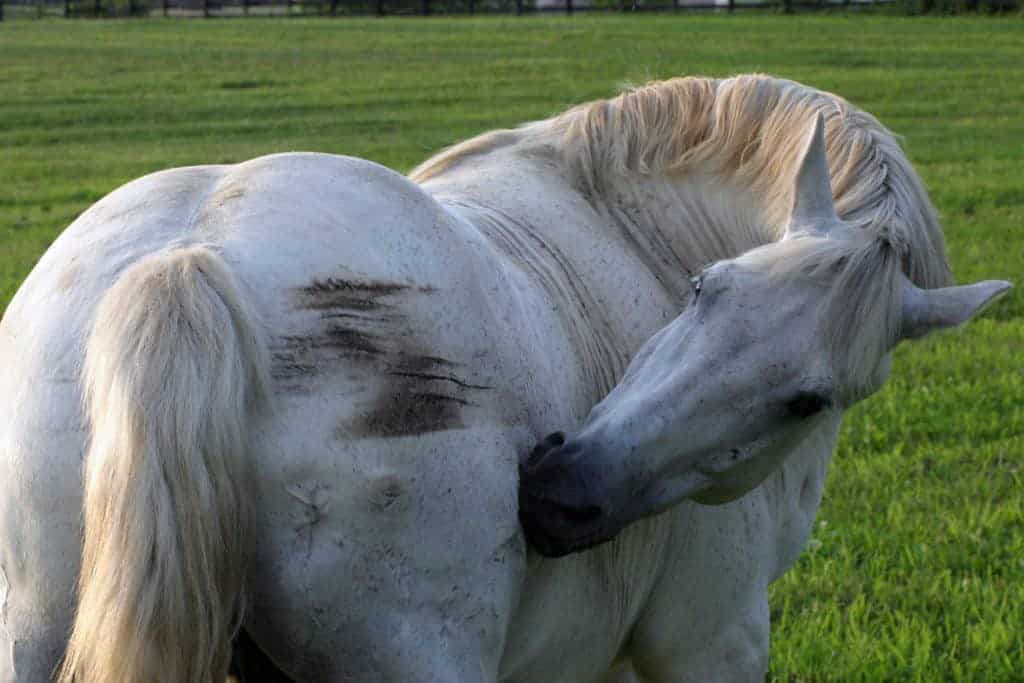
There are at least three distinct types of self-mutilative behavior in horses. Here’s what researchers know about them and how management changes and other options can help reduce their frequency.

Remember these tips to help your horse’s transition from his old home to his new one go smoothly.

But, while the cribbers learned as well as the noncribbers, that doesn’t mean they’re the same as noncribbers when learning, researchers cautioned. They’re sensitive to stress and need particular attention to stress management, especially in a new environment, they said.
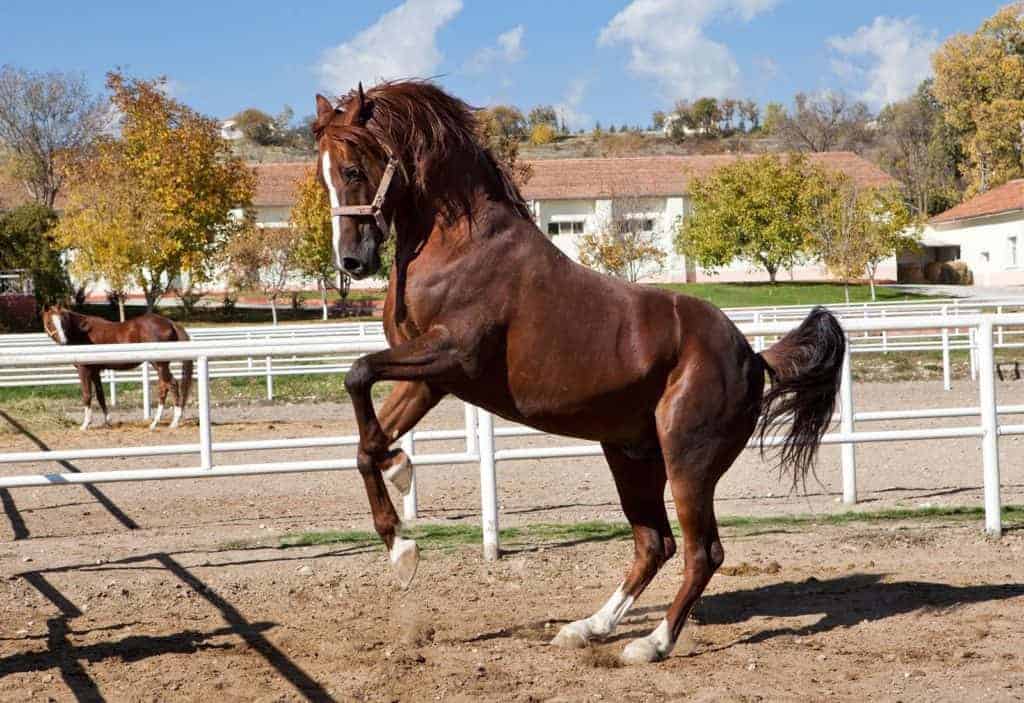
Food-aggressive horses might escalate their attempts to ask for treats, like bumping humans with their heads, to more aggressive food-guarding behavior, one equine behaviorist says.