ISES 2013: Rider Perception of Rein Tension Study
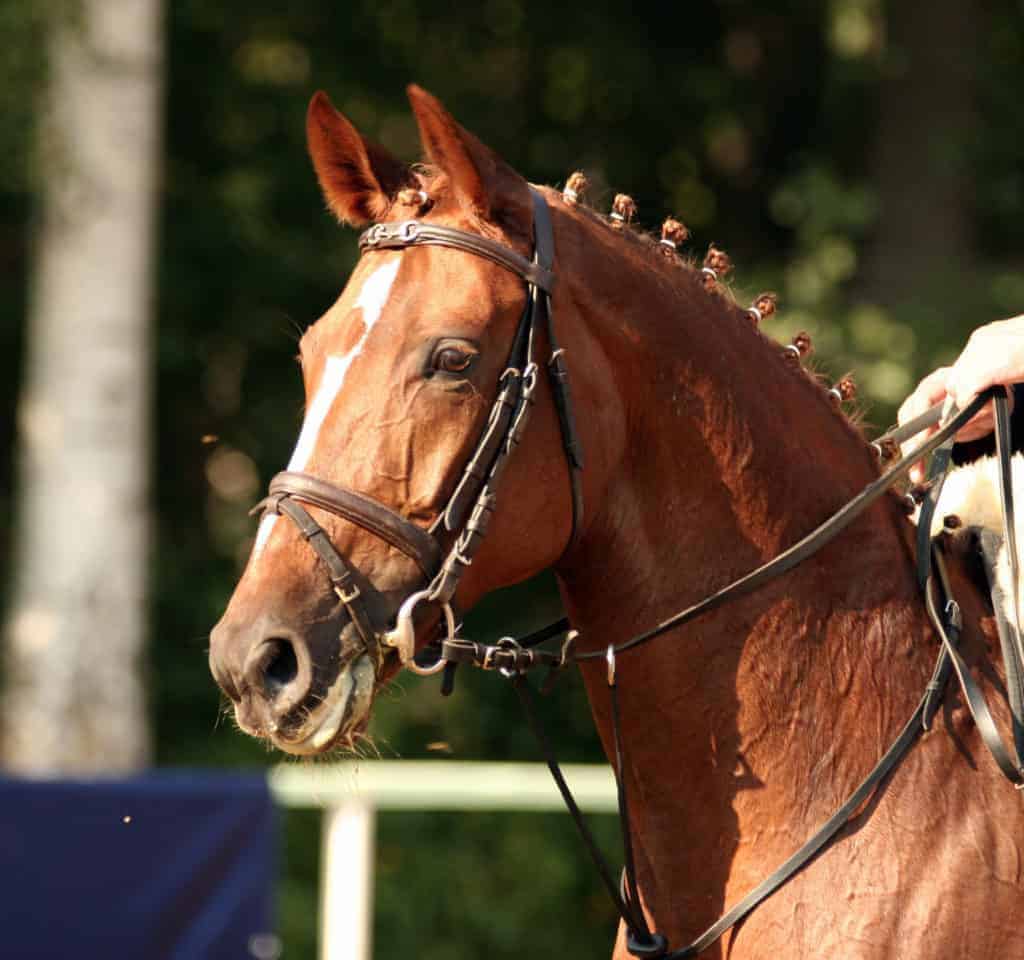
Dr. Hayley Randle, a researcher with the equitation science department at Duchy College in Cornwall, U.K., shares the results of her study investigating rider perception of rein tension.

Dr. Hayley Randle, a researcher with the equitation science department at Duchy College in Cornwall, U.K., shares the results of her study investigating rider perception of rein tension.

Study results suggest riders of all levels tend to misjudge the amount of tension they apply to their reins.
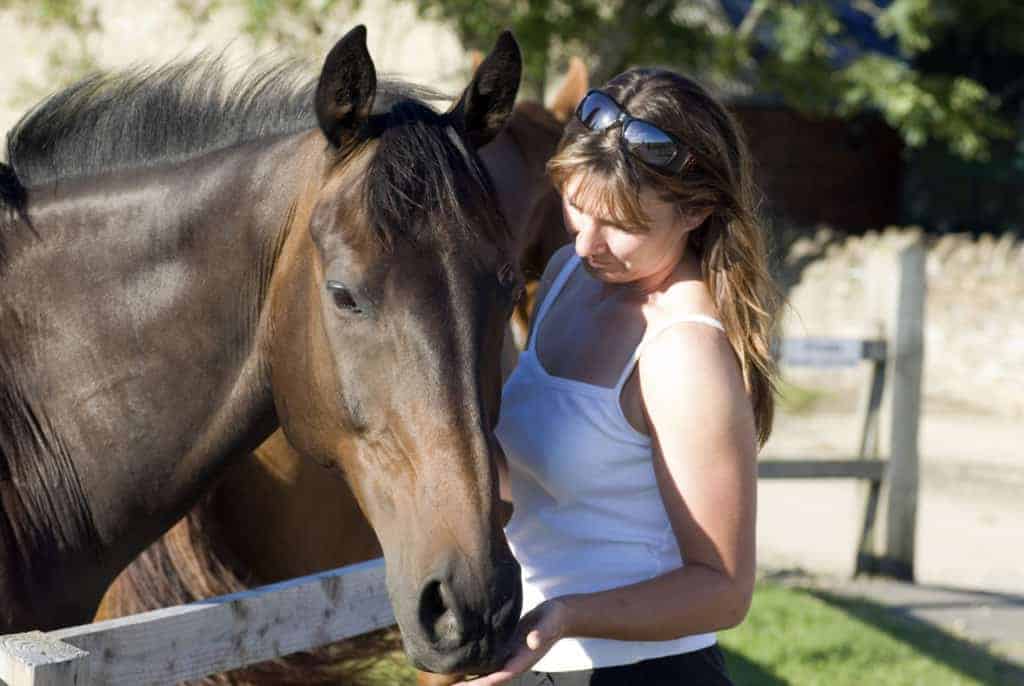
Researchers studied whether speaking in a soothing tone has a beneficial impact on the horse.
View some of the top tweets from the second day of the International Society for Equitation Science conference
Greater knowledge about horse body language could mean fewer horse-related accidents in Danish riding schools.
View some of the top tweets from Day 1 of the International Society for Equitation Science conference.
This year’s conference theme is “Embracing Science to Enhance Equine Welfare and Horse-Human Interactions.”
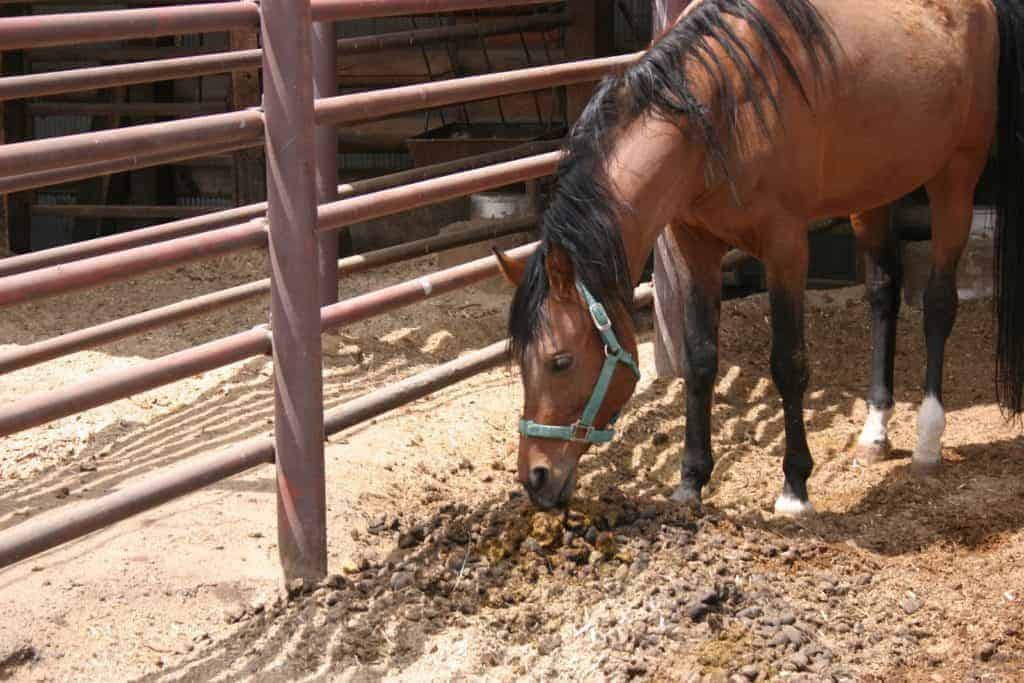
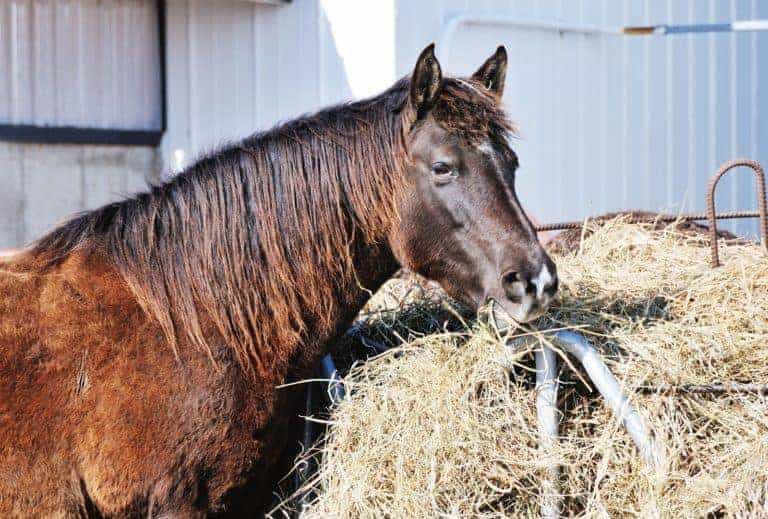
We don’t expect our horses to eat things like dirt or manure, but sometimes they do.
Will forming a bond with my horse help keep him from bolting when riding in the arena and around the paddocks?

Researchers believe positive reinforcement with food rewards helps horses in training learn better.
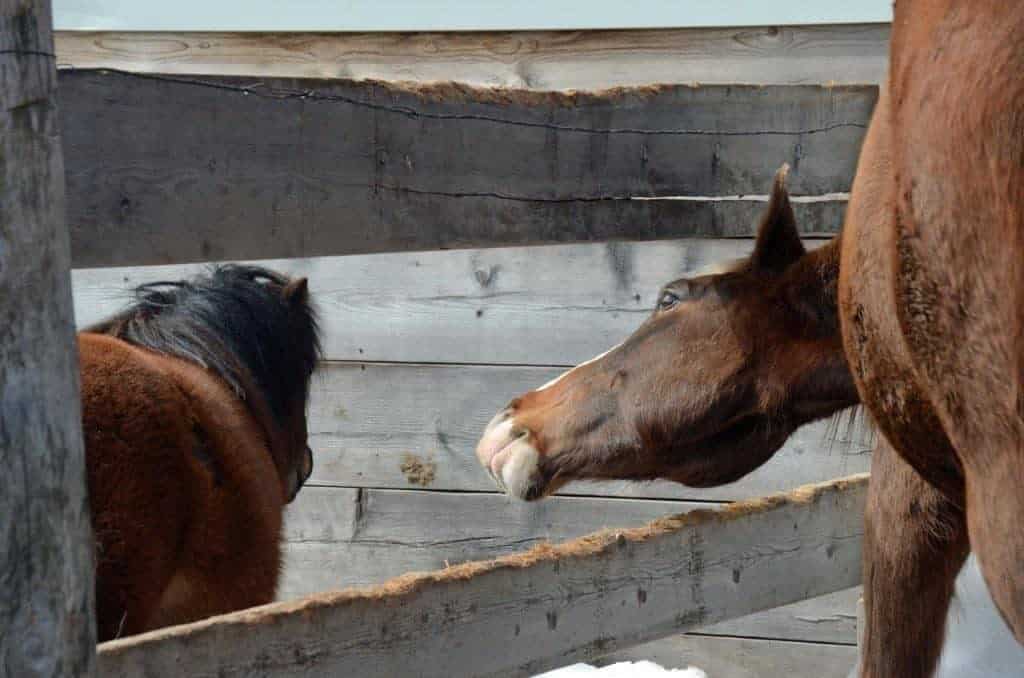
The course is designed to increase knowledge through evidence-based research as it relates to horse behavior.
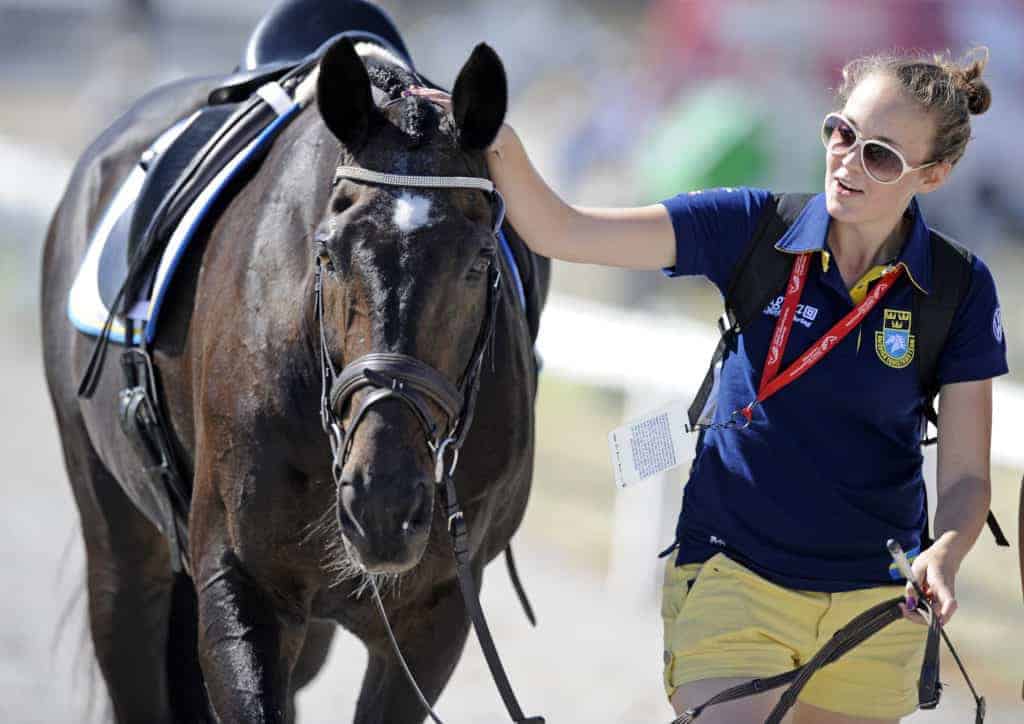
To help horses retain what they learns during training, aim to keep them as stress-free as possible.

Researchers developed a new subjective personality test designed to help us better understand horse behavior.
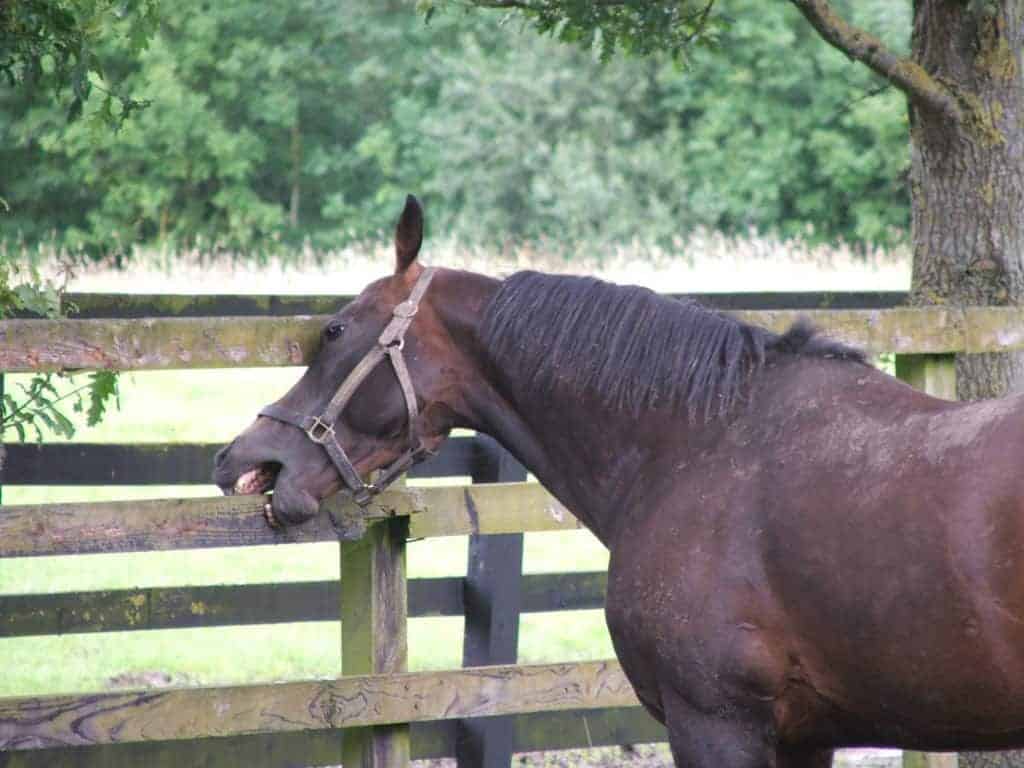
Researchers discovered that cribbing causes increased intra-abdominal pressure.
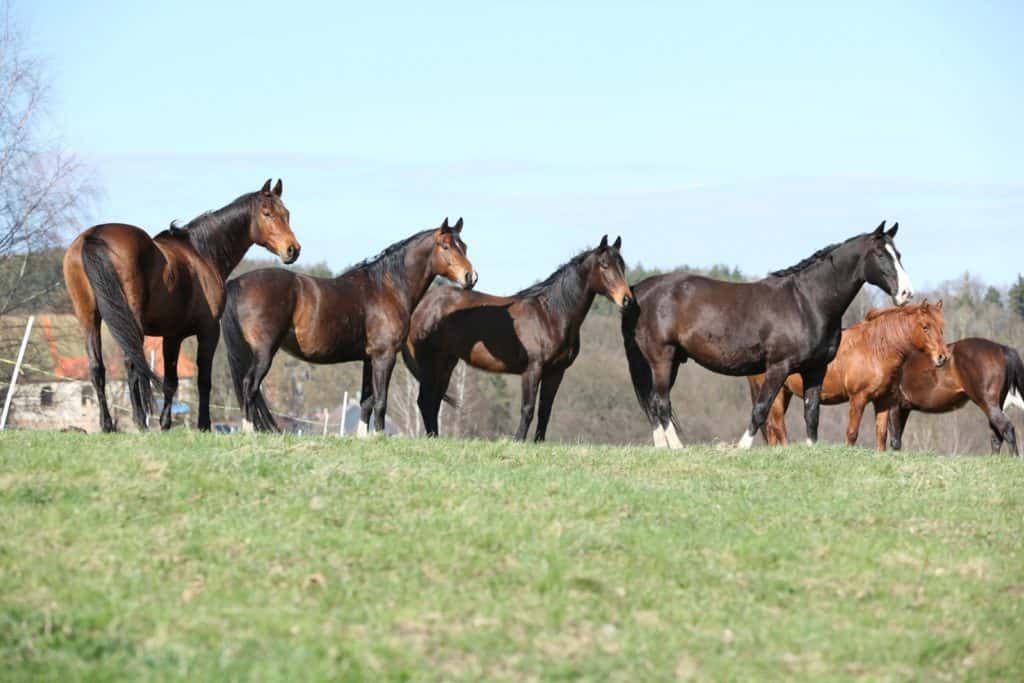
Ever suspect your horse is naturally lazy? Researchers found that horses prefer not to work at all.