Researchers Find Genes That Help Racehorses Cope With Stress
These study results could help breeders and trainers determine which horses have the best DNA for coping with a racing environment.

These study results could help breeders and trainers determine which horses have the best DNA for coping with a racing environment.
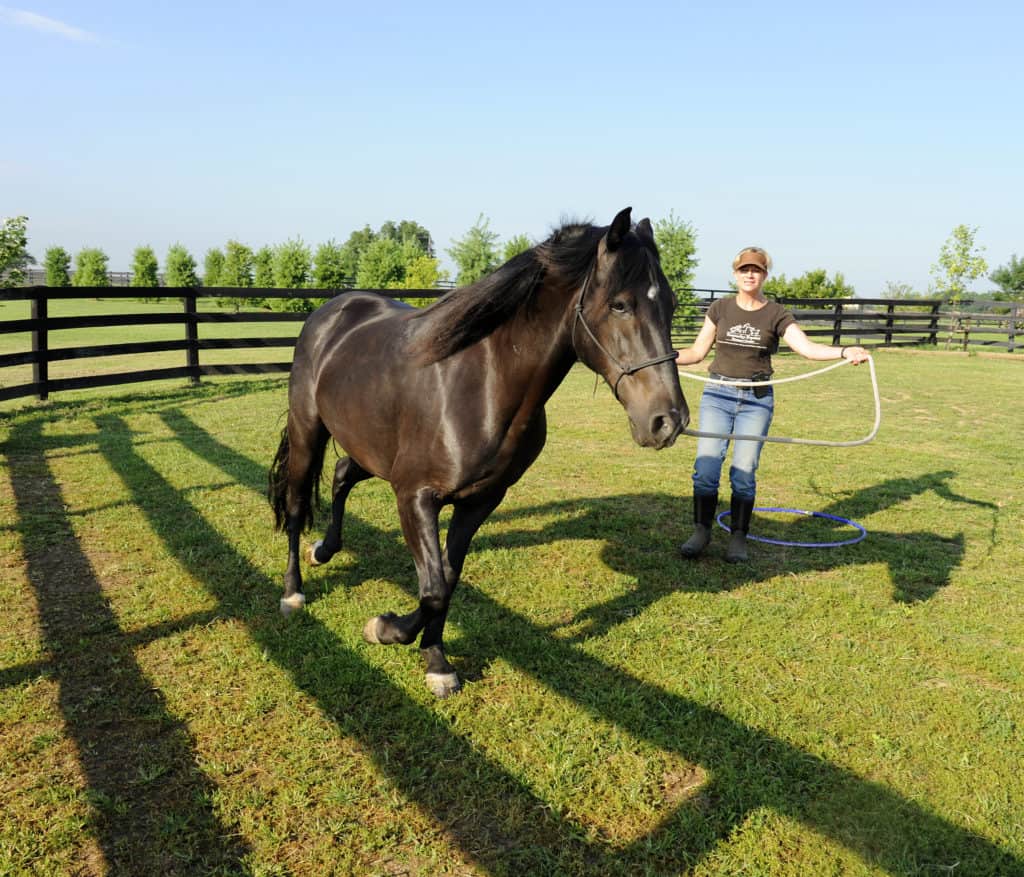
Drs. Camie Heleski and Jenny Biehunko explain the differences between a horse trainer, an animal behaviorist, and a veterinary behaviorist.

Horses might eat dirt due to nutrient deficiencies, among other causes.

A research team found that abnormal behavior doesn’t always correlate with elevated ovarian hormones.
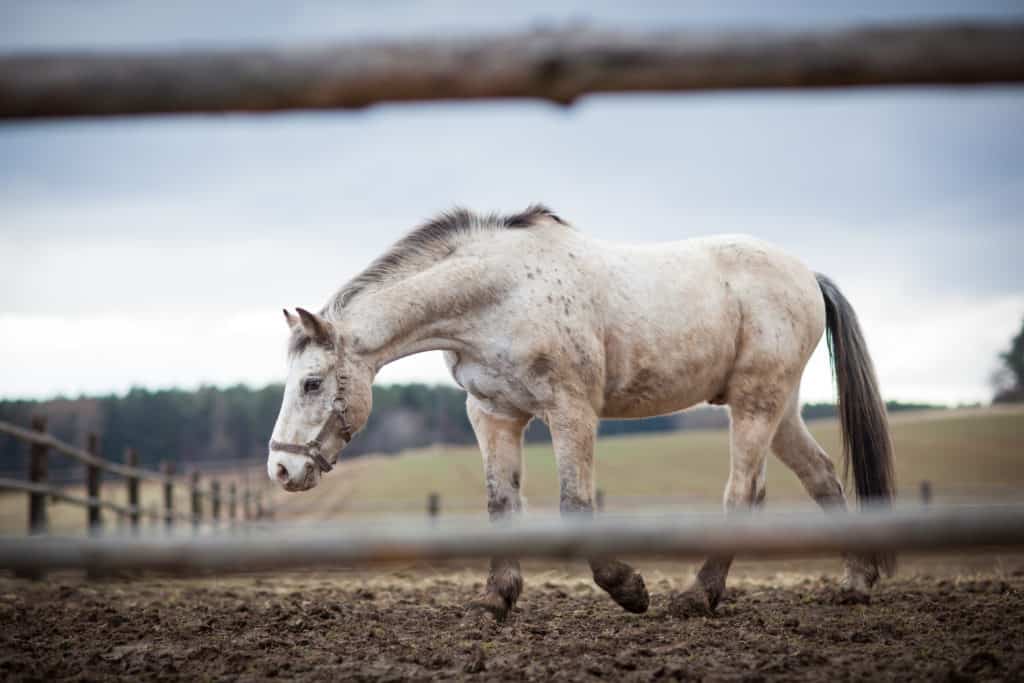
What is the most common behavior problem in aging horses? Dr. Sue McDonnell weighs in.

Researchers say that even three weeks after weaning foals still experience increased stress levels.

Introducing a horse to a new herd can be stressful, but with careful planning horses can live happily with their pasturemates.

If your horse is acting naughty when handled or ridden, he might be trying to avoid pain somewhere in his body.

If your horse is exhibiting regular behavior problems, cheek tooth pain could be the cause.

Equine idiopathic headshaking is a painful condition, but with correct diagnosis and treatment many headshakers can live pain-free.
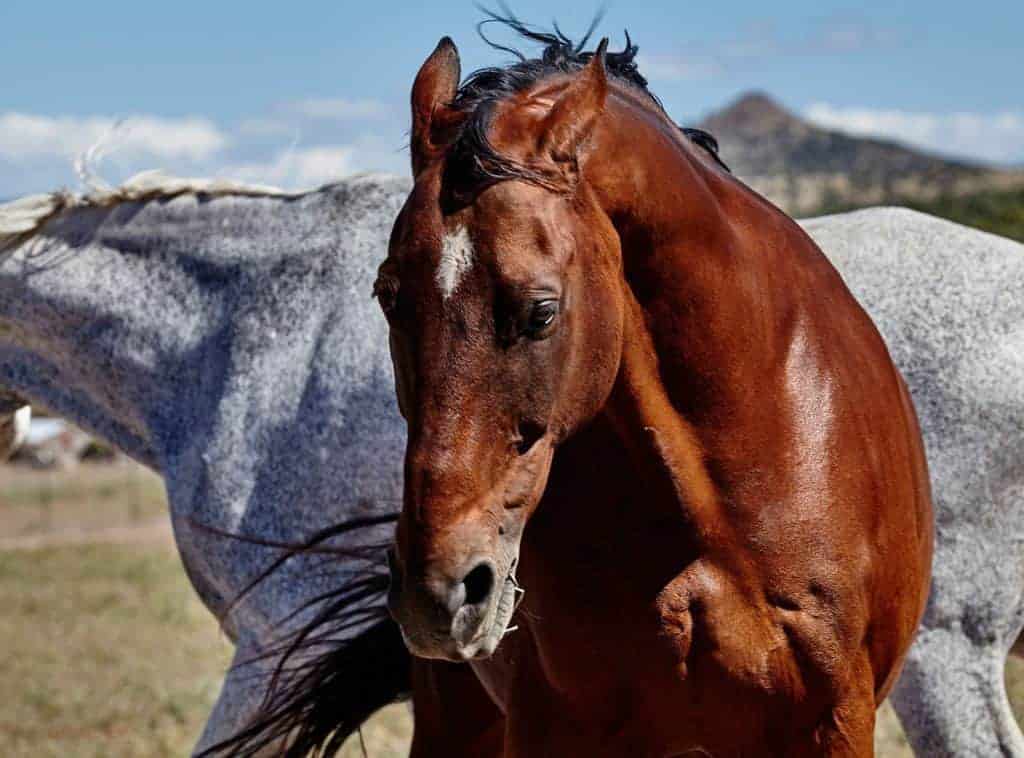
Find out if your mare’s frustrating antics are due to estrus, and learn about ways to keep them in check.

Often, a horse’s behavior problems are rooted in either pain or incomplete training. Here’s what to consider.

A veterinarian explains how to recognize when your horse is in pain.

Practitioners will create a grimace scale that can indicate stress, sickness.

A wide range of conditions can cause poor performance, but many cases circle back to lameness with a behavioral component.

Researchers assessed whether group housing situations influenced horses’ sleep routines.