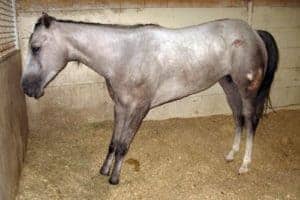
Combating DSLD in Horses
Could supplements or physical therapy help keep a horse with degenerative suspensory ligament disease sound?

Could supplements or physical therapy help keep a horse with degenerative suspensory ligament disease sound?
Would your horse benefit from hind shoes? Learn more in this article from The Horse’s Fall 2026 issue.

Splint bone injuries are common in both working and pastured horses. Here’s what you should know.

Learn about two different and unrelated processes that present as firm swellings in the horse’s pastern region.
Researchers are using CT scans and machine learning to identify bone changes that could help predict and prevent catastrophic injuries in racehorses.
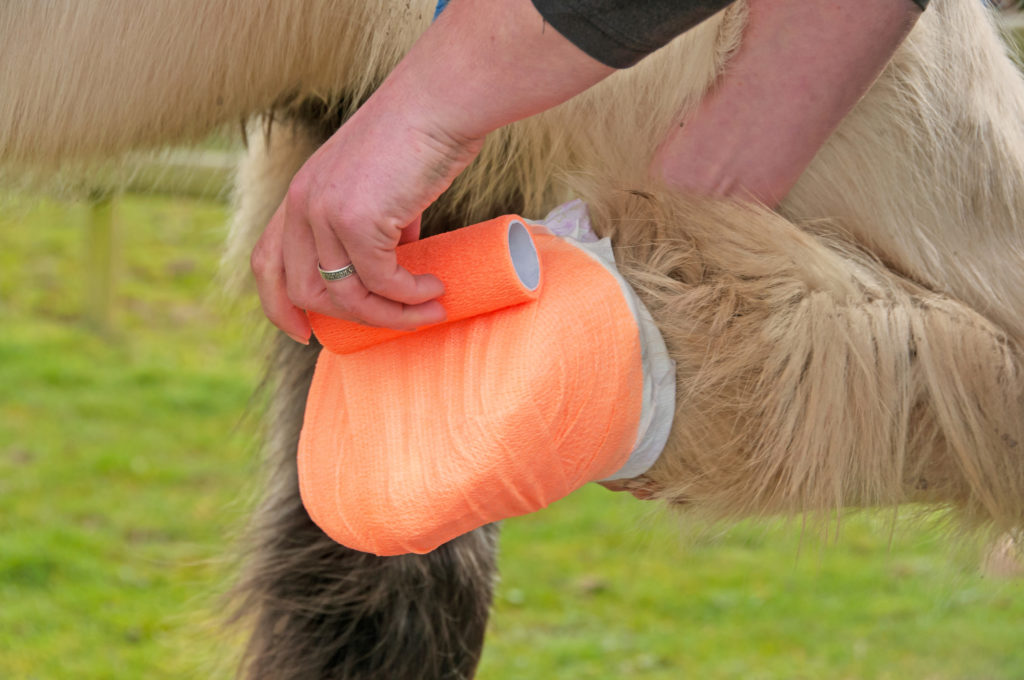
Resolving hoof wounds requires working closely with your veterinarian to manage lesions until they heal. Learn about 4 common wounds and how vets treat them.

Joint injections can be complicated by a horse’s age, purpose, and health. Here’s how veterinarians approach various scenarios.
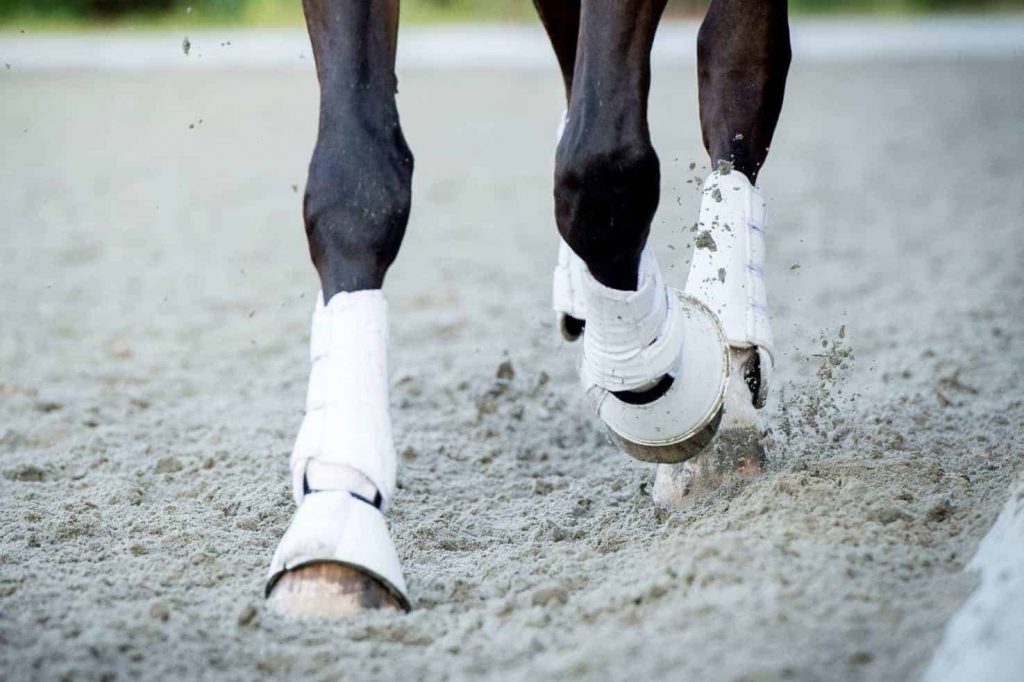
Weigh the risks and benefits of various types of boots and wraps before strapping them to your horse’s legs.
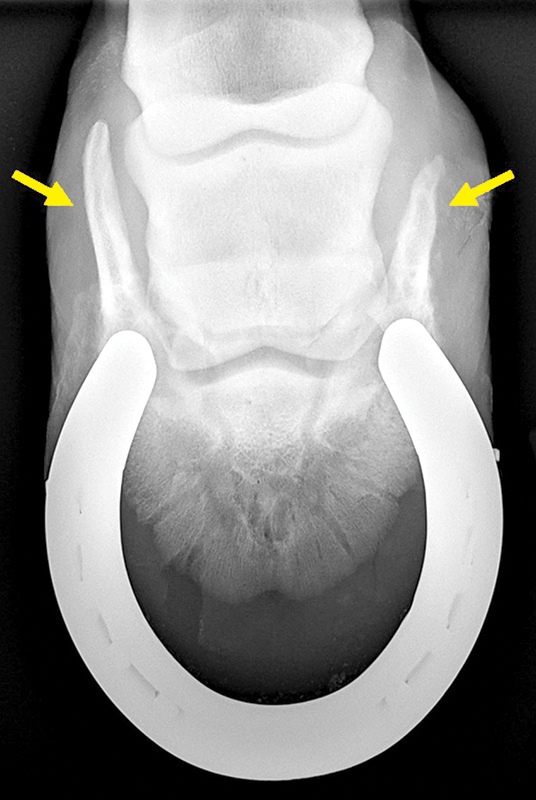
This common hoof change can be a hidden cause of lameness in horses. Learn more in the Spring 2026 issue of The Horse.

Assessing a horse’s limbs, feet, and body can help you and your veterinarian identify anatomical traits that could end up being performance-affecting liabilities.
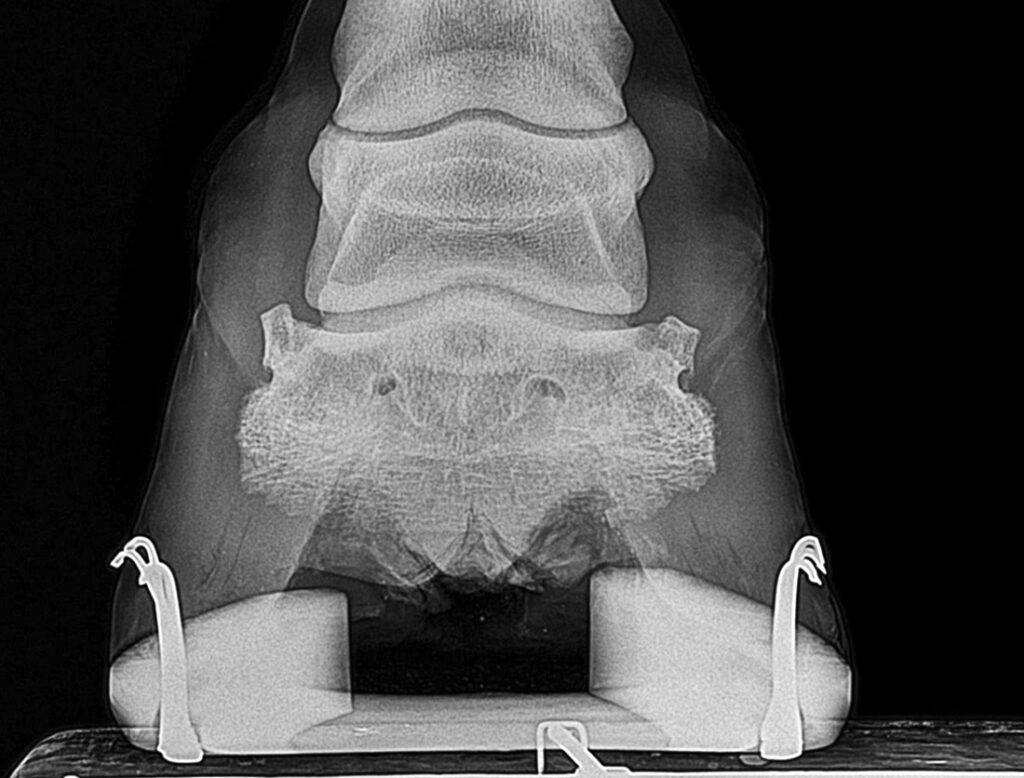
Advances in imaging, individualized treatment protocols, and farrier-veterinarian collaboration now give many horses a chance to stay sound and in work. Read more in the Research Roundup 2025 Issue of The Horse.
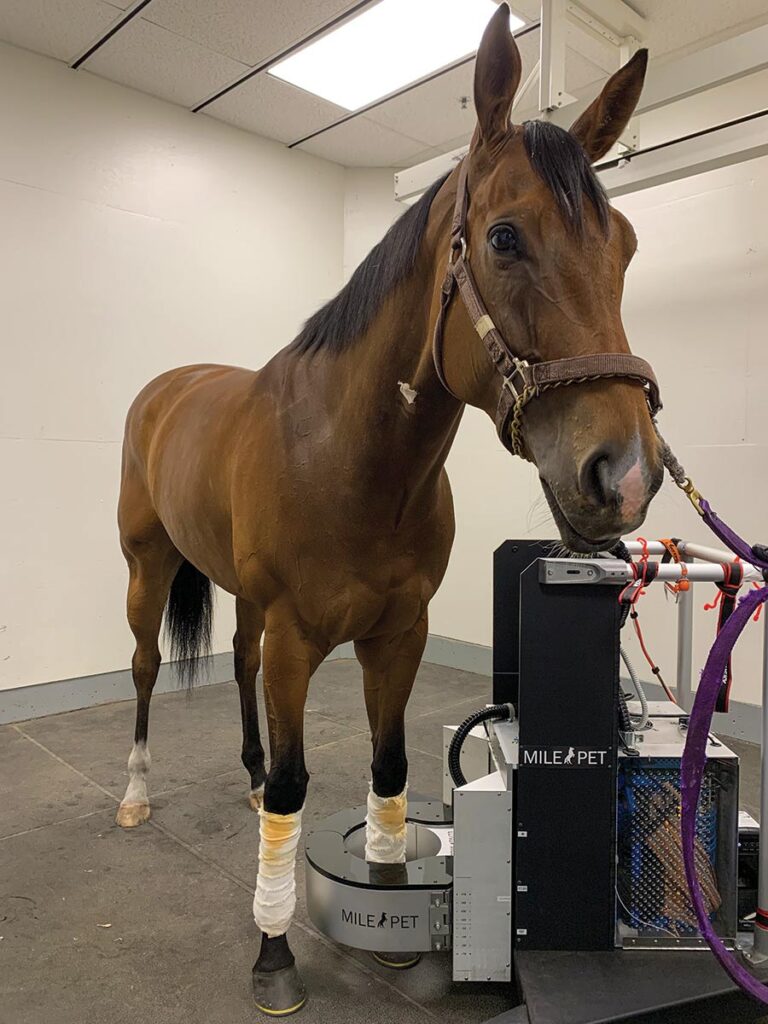
Positron emission tomography (PET) can reveal active processes other diagnostic modalities might miss. Learn more in the Winter 2025 issue of The Horse.

Radiographic evidence reveals Western performance horses can develop fetlock bone stress similar to racehorses—likely from repetitive strain, not speed.

Veterinarians weigh in on the do’s and don’ts of wound care, from discovery to recovery.

Learn about 5 reasons for limb swelling in horses, from benign triggers to causes for major concern.

Research and advancements are improving our understanding of how water exercise benefits both healthy and rehabbing horses.