10 New Horse Owner Resources on TheHorse.com
From feeding to vaccines and colic to lameness, here are some basic resources to get the new horse owner started.

From feeding to vaccines and colic to lameness, here are some basic resources to get the new horse owner started.

Horses with chronic laminitis should be closely monitored during treatment and recovery. Here’s what to consider.

Take precautions to reduce your horse’s risk of getting hurt while returning to work.

Gait analysis applications on a smartphone can give reliable data to help detect hind limb lameness issues in horses.

Frequent findings included osteoarthritic changes, sclerosis, and mild bone spurs, among others.

A look at three of the most common tendon and ligament injuries in horses and how to treat them.
Seminar topics include imaging the equine neck, reproduction, and soft-tissue injuries in performance horses.

A young horse’s swayback is getting worse as he ages. A veterinarian shares insight on why this might be.

The new scanner is wider than the standard size, which should allow most of a horse’s neck to be examined.
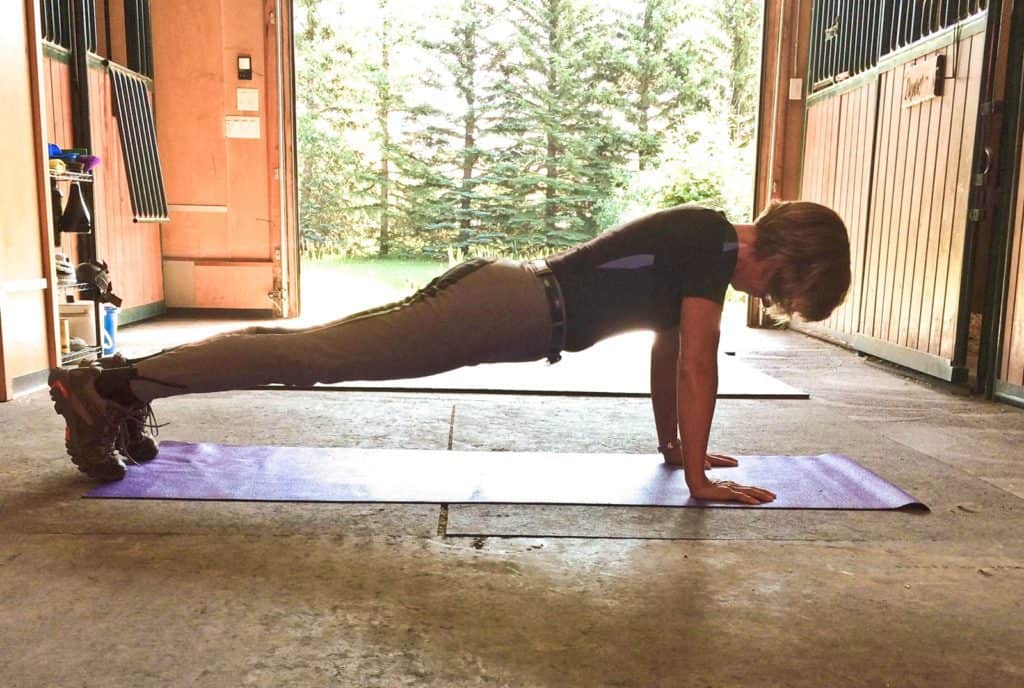
Find out how your mental and physical performance will benefit from a program out of the saddle.
Tweets and take-homes from the equine lameness and colic sessions at the 2016 Western Veterinary Conference.

Researchers say a screw fixation procedure can help sport horses return to function after a central tarsus fracture.
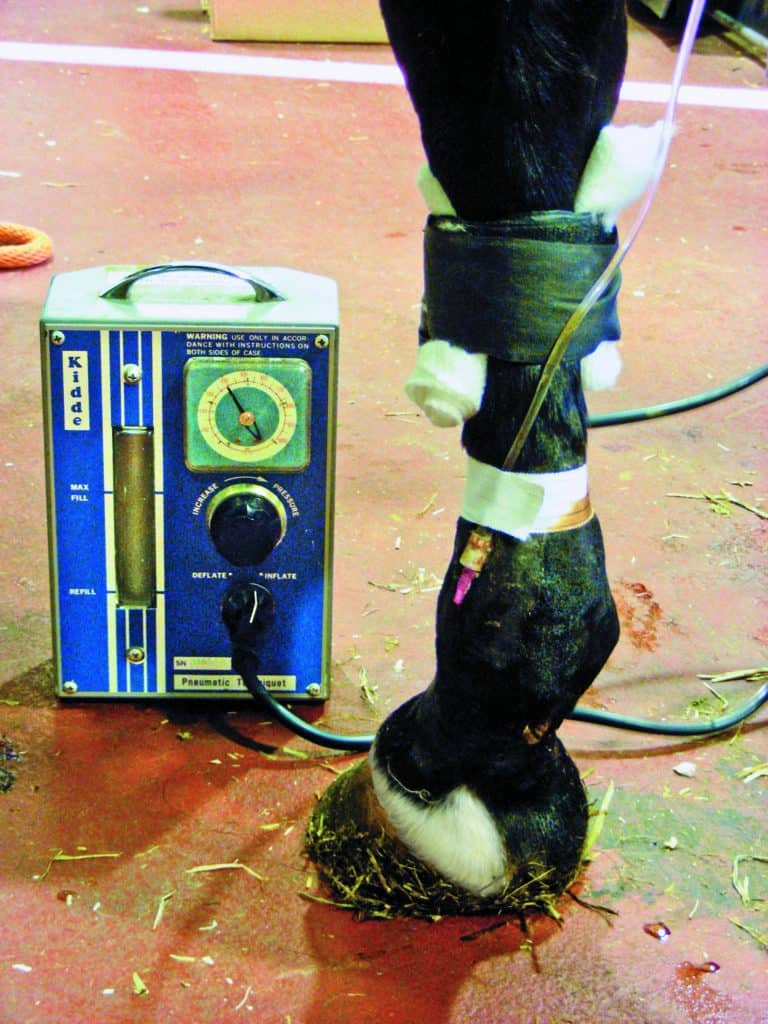
Vets can use amikacin and mepivacaine to safely and effectively treat lower limb injuries in standing, sedated horses.

A researcher offers tips on how veterinarians can pinpoint the cause in unresolved upper hind limb lameness cases.
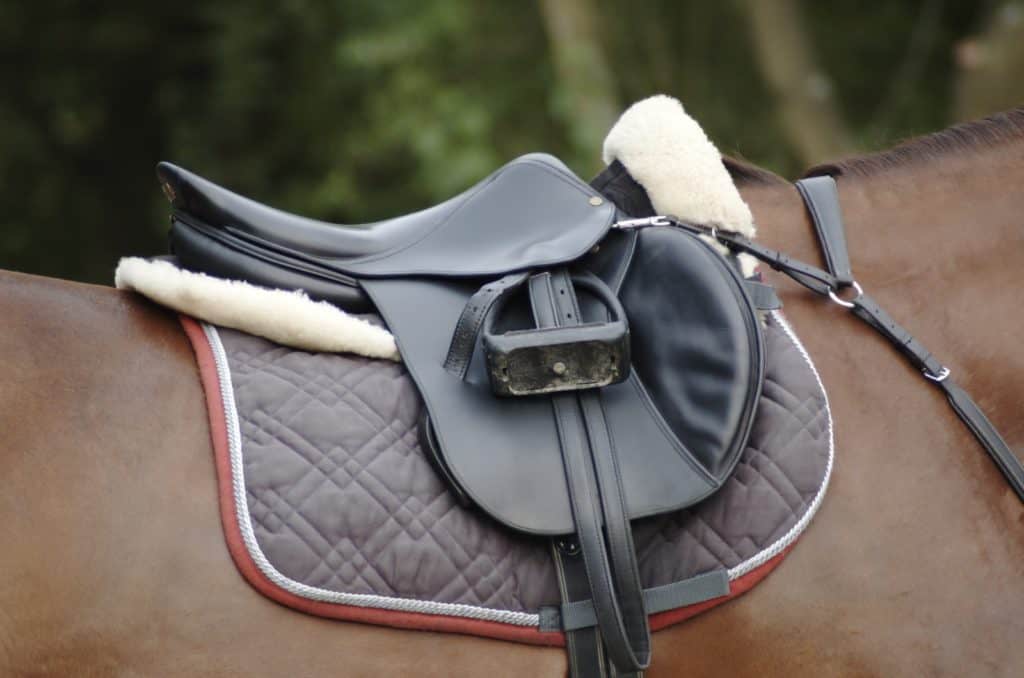
Of the 456 respondents, 269 (59%) said they use a therapeutic saddle pad or one that helps their saddle fit better.

A horse with a vertebral fracture without severe neurologic disorders could be a good candidate for surgical repair.