Dealing with Hoof Capsule Distortion and Dysfunction
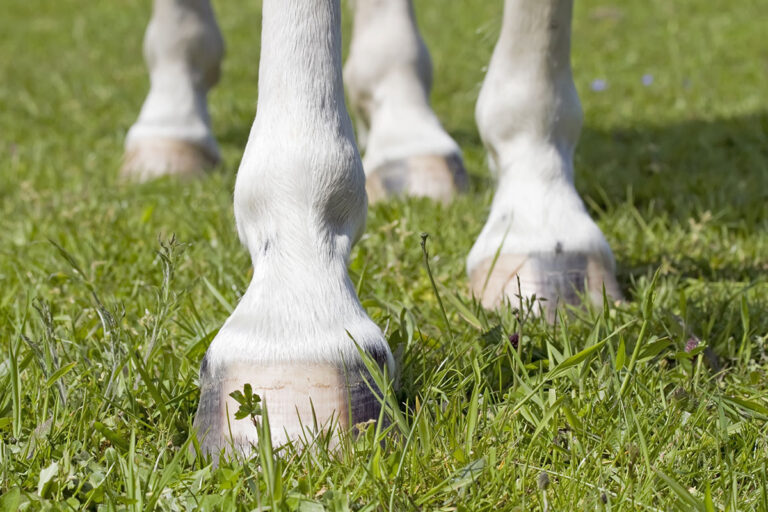
What do a dish, a crack, a flare, and a sheared heel have in common? All are hoof distortions.

What do a dish, a crack, a flare, and a sheared heel have in common? All are hoof distortions.

Early diagnosis could allow vets to implement management strategies, such as restricted exercise, that promote healing.

Tailored rehab plans and frequent veterinary checks are just two pieces of the rehabilitation puzzle.
Read the top tweets and take-homes from Rood & Riddle Equine Hospital’s client education seminar.

Of the 665 respondents, 220 (33%) said their horses receive chiropractic care on a routine basis.

A properly fitting saddle is key to keeping any ridden horse healthy and performing at its best.

Dr. Elizabeth Santschi recaps studies on fracture recovery, joint injections, sarcoid treatments, and more.
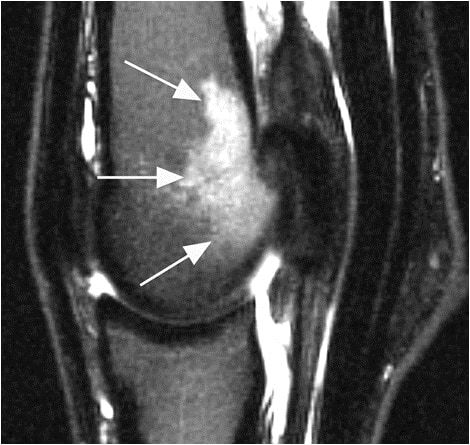
Vets use MRI to identify issues and prescribe targeted treatment to give the horse the best chance at returning to work.

A hereditary disease–skeletal atavism–leads to disturbed skeletal development and usually requires euthanasia.

Researchers found that MRI images of bone thickness could provide critical information about fracture risk.

Horses can appear lame in the front limb when the real lameness is the hind limb on the same side, researchers found.

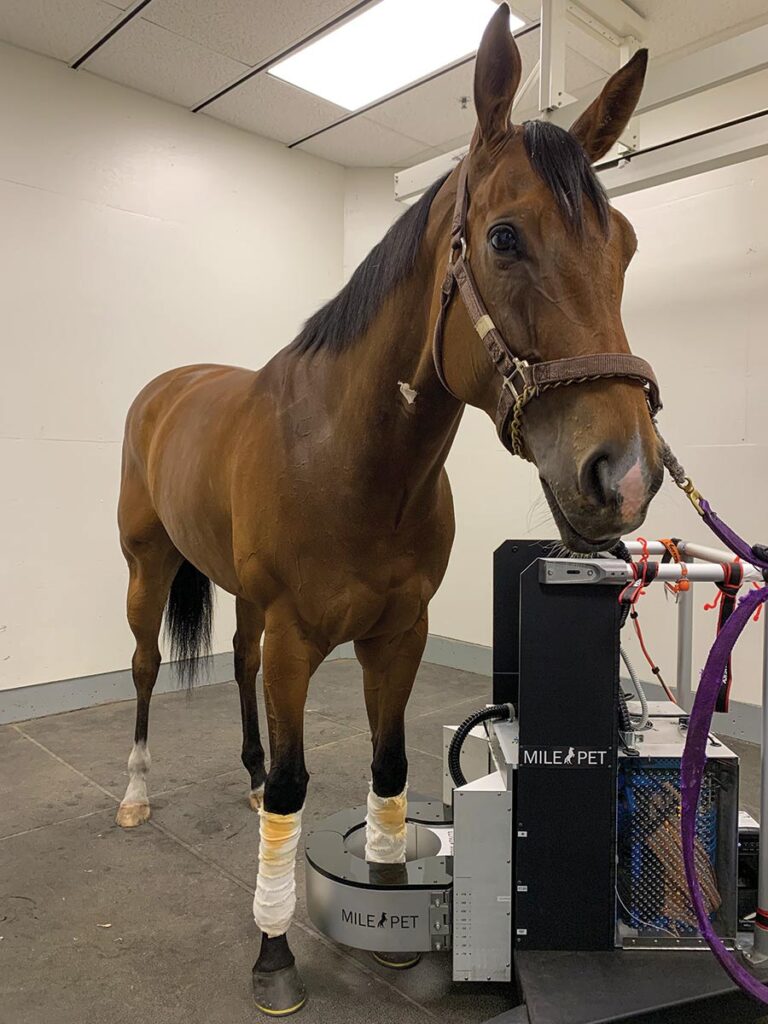
Veterinarians use imaging technologies to evaluate, diagnose, and ultimately treat lameness in the lower leg and foot.

Hoof care experts discuss common equine foot issues, including club feet, underrun heels, and mismatched feet.
Tweets and take-homes from sessions on lameness, rehabilitation, equine back issues, and more!

Tweets from the Kester News Hour and other sessions on dental care, soft tissue injuries, saddle fit, and more.
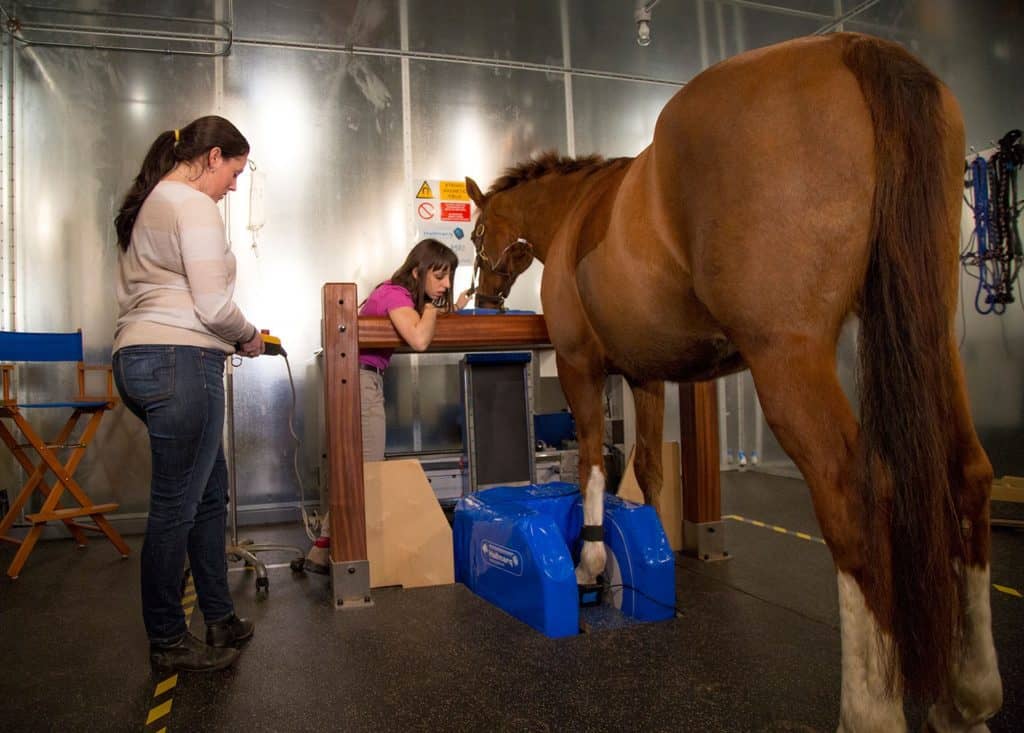
Take a look at the evolution of diagnosing distal limb lameness in sport horse practice with Dr. Brendan Furlong.