At a Glance: Caring for Senior Horses
Caring for the older horse can require special attention to his needs. Download this free guide to find out what health issues to watch for and how to keep your senior horse happy and healthy.

Caring for the older horse can require special attention to his needs. Download this free guide to find out what health issues to watch for and how to keep your senior horse happy and healthy.

Once the biomarkers identified in this study are confirmed through more tests and larger samples, scientists might be able to develop treatments to prevent chronic pain, researchers said.

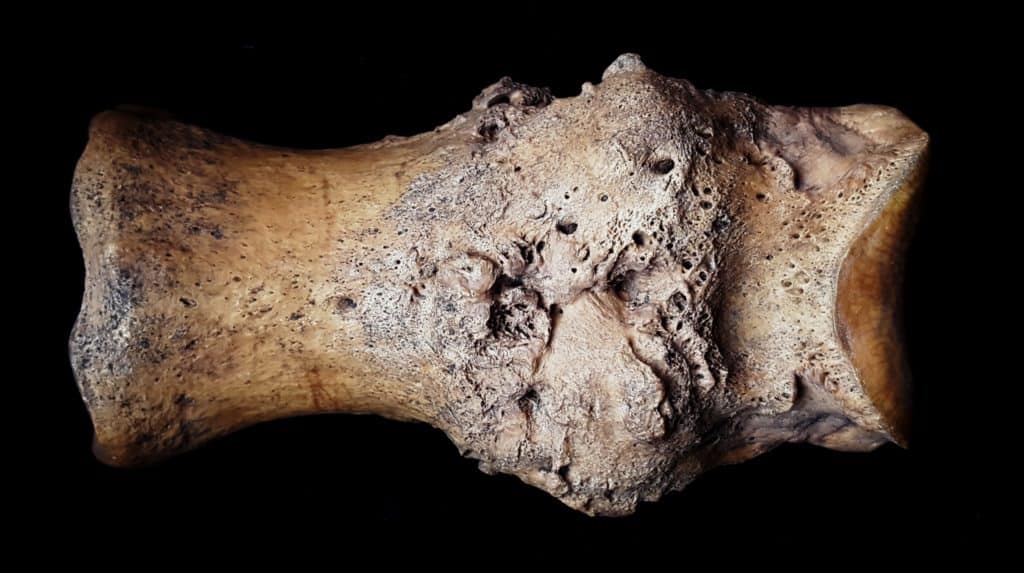
Researchers recently found and studied severe arthritis in an 11th-century horse’s front left pastern joint.

Drs. Peter Morresey and James McLeod share regenerative medicine insights from clinical and research perspectives.

Dr. Elizabeth Santschi recaps research on hock injections, nerve blocks, castration, osteochondral lesions, and more.

Study results suggest caretakers spend nearly $435 more annually managing obese equids compared to their nonobese ones.

Plunging temperatures, snow, and freezing rain can trigger joint discomfort. Here’s how to keep your horse comfortable.

Find tips on how to extend horses’ “health spans,” maximize performance years, and maintain a good quality of life.

Of the 515 respondents, 232 (45%) said they use joint supplements to help keep their arthritic horses comfortable.

Pharmacological osteoarthritis therapy focuses on preventing or reducing pain and improving joint function.

Readers said maintaining weight, osteoarthritis, and other lameness were their top senior horse care concerns.

Vets are using serum amyloid A, a naturally produced protein, to detect equine infections and monitor treatment.
Tweets and take-homes from Friday’s educational sessions on osteoarthritis, tendon injuries, strangles and more.

Dental pulp injections helped reduce pain and improve lameness in horses with soft tissue injuries and arthritis.

Researchers believe polyacrylamide hydrogel (PAAG) could have a long-lasting cushioning effect on arthritic joints.

Findings suggest blood serum SAA levels could be an earlier indicator of joint infection than synovial fluid SAA levels.
Stay on top of the most recent Horse Health news with
"*" indicates required fields