What We’re Learning About Senior Horses
Hot topics include digestion, metabolism, soft tissue injuries, and inflamm-aging.

Hot topics include digestion, metabolism, soft tissue injuries, and inflamm-aging.

Scientists say molecular changes to an in-joint protein layer called lubricin could indicate osteoarthritis development.
Merial says the prescription tablets will be available on the market in early fall.

Dr. Dave Frisbie of Colorado State University shares his thoughts on retiring horses due to arthritis.

Osteoarthritis is a common cause of lameness. Could a joint supplement help affected horses? Maybe, says one researcher.

Find out how your horse can hurt his neck, risks for injury and disease, and associated therapies, so you can give your horse the best chance for a strong neck and an athletic future.

This treatment uses the horse’s blood to generate serum enriched with growth factors and anti-inflammatory mediators.

Frequent findings included osteoarthritic changes, sclerosis, and mild bone spurs, among others.
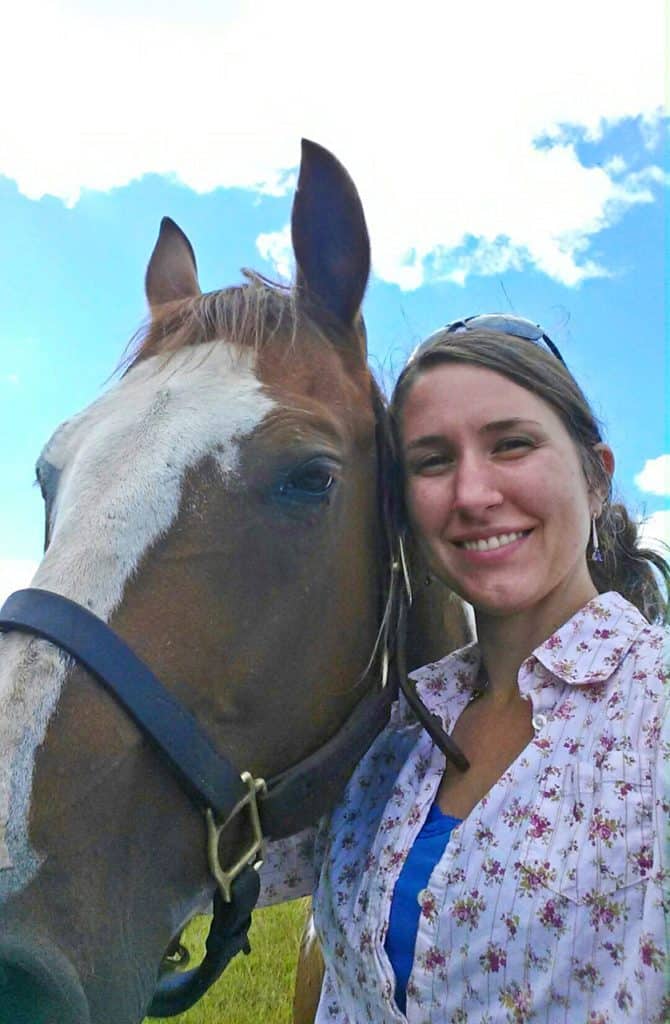
Siard is studying inflamm-aging in senior horses, polyphenols as anti-inflammatory treatments, and more.

Owners should watch senior horses closely for signs of decline and contact their veterinarians if problems arise.

Adam’s research studies the formation and repair of articular cartilage in horses.

There are joint treatments galore, but your vet can help determine which option is best suited for your horse.

What’s the difference between osteoarthritis and other types of arthritis?
Your vet might choose to inject your horse if his joints require direct treatment due to disease, inflammation, or pain.

Recent study results support the hypothesis that omega-3s could modify a joint’s response to inflammation.
Learn about using joint injections to help treat common causes of lameness and reduced performance.