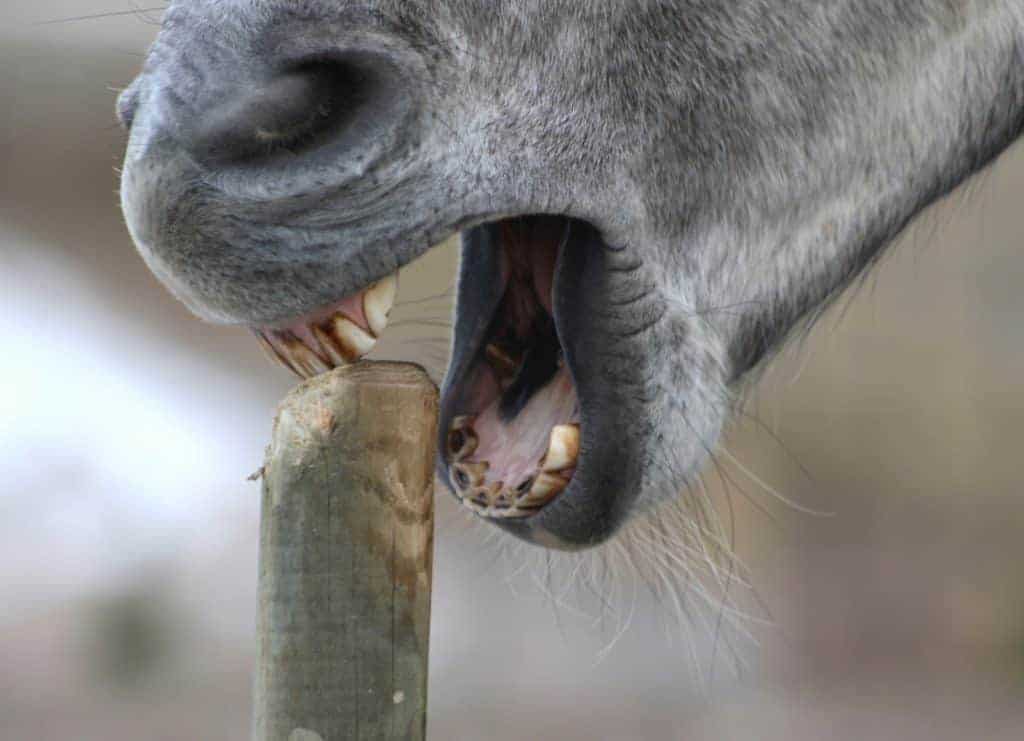
An Old Horse Starts Cribbing
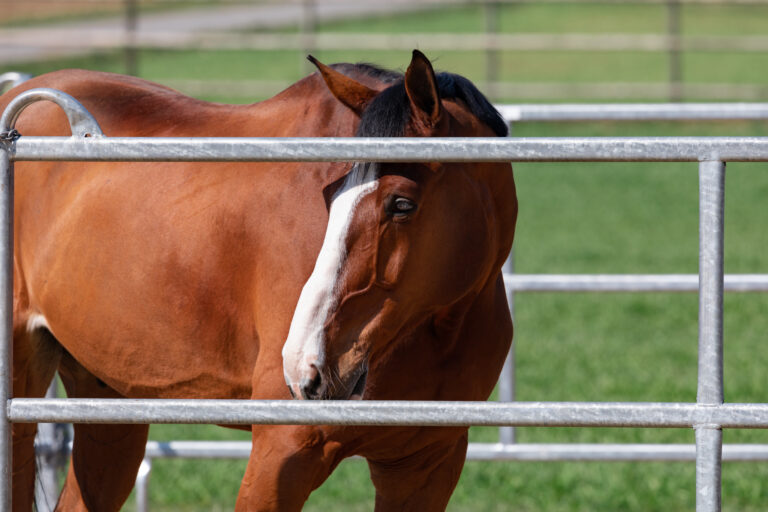
A reader’s 17-year-old horse started trying to crib recently, which she’s never seen him do before. Why would he start now? An equine behaviorist offers insight.

A reader’s 17-year-old horse started trying to crib recently, which she’s never seen him do before. Why would he start now? An equine behaviorist offers insight.

Whatever your horse’s job, his joints keep him moving. But osteoarthritis can stop a horse in his tracks. Here’s what to know about this debilitating condition.
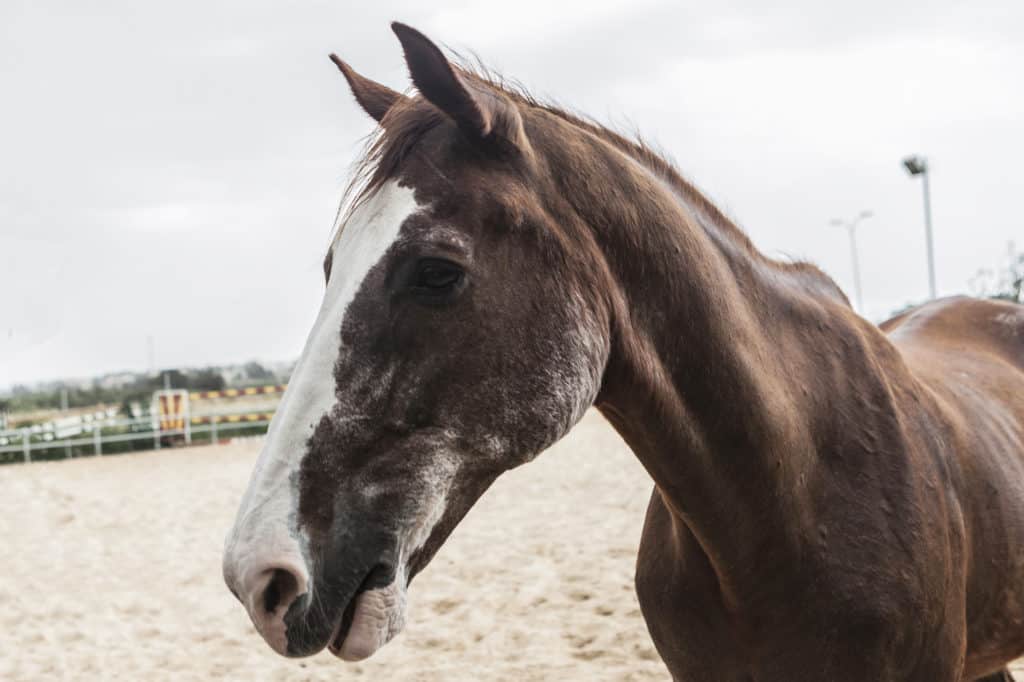
I’m concerned about my senior horse’s happiness. How can I keep him comfortable and content?

Transition to targeted deworming without a hitch with these free resources.

Research suggests that bisphosphonates can effectively help control clinical signs associated with navicular syndrome in horses, but there’s less research on off-label use. Here’s what to know.
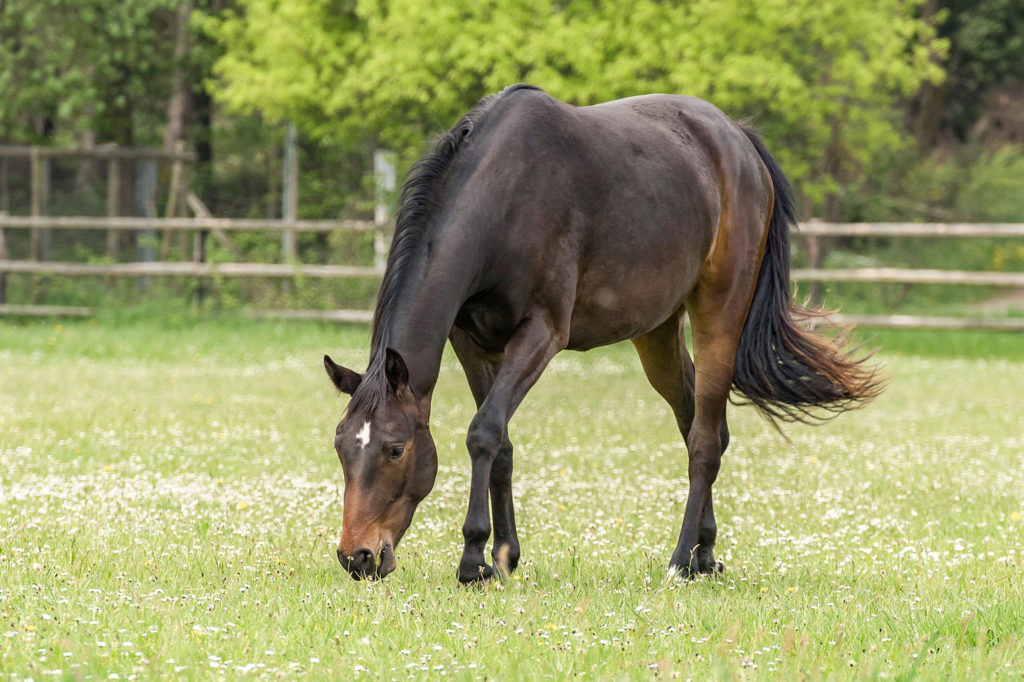
Horses with grassy turnouts graze all day, so they don’t need extra forage when they’re stalled at night, right? Not so fast, our nutritionist says. Here’s why.

Laminitis is one of the most common diseases in horses, and it has many different causes. Find answers to listener questions on endocrine-related laminitis in horses with conditions such as PPID, equine metabolic syndrome, and insulin resistance. Sponsored by InsulinWise.

Consider the big picture—from farrier care and diet to environment and genetics—when working to keep horse hooves healthy.

Dr. Teresa Burns describes what laminitis is and its relationship to endocrine diseases such as insulin resistance, equine metabolic syndrome, and PPID.


Researchers and veterinarians around the world strive to learn more about the lamellae and have made scientific advances in laminitis diagnosis, treatment, and prevention over the past several years. Here’s what we know.

Laminitis can be challenging to treat, but using acupuncture in conjunction with traditional therapies might improve results, one study found. Here’s how.

Managing horses with PPID is an ongoing commitment and requires careful veterinary observation. By monitoring both clinical signs and endocrine values, many affected horses can return to athletic function and/or maintain a good quality of life.

Many factors affect your horse’s ability to mount an effective immune response, one of which is his age. Learn more about the horse’s immune system and how it functions at every stage of his life.

An independent equine nutritionist answers horse owner questions on forage, feed concentrates, fats, supplements, and more.

Horses and ponies that gain weight are more than twice as likely to develop laminitis than if they lose or maintain their weight, a recently published study revealed.