Horse Lies Down Frequently: Tired or in Trouble?
Is it cause for concern if a horse lies down frequently?

Is it cause for concern if a horse lies down frequently?

Intra-articular (administered into the joint) polyacrylamide hydrogel helped decreased lameness in horses with naturally occurring arthritis, researchers found.
Health conditions, management changes, and palate preferences can affect a horse’s appetite.
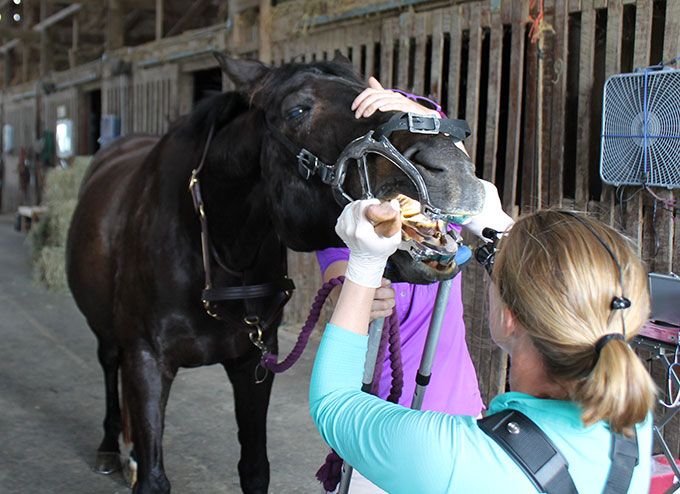
With an estimated 88% of horses over 20 years of age diagnosed with dental disease, veterinarians must be sure to maintain these patients differently than their younger counterparts.

When 28-year-old Scotty retired from his long-held position as a saintly lesson horse, his owner threw a celebration. Here’s how to honor the special horses in your life when it’s time for them to retire.
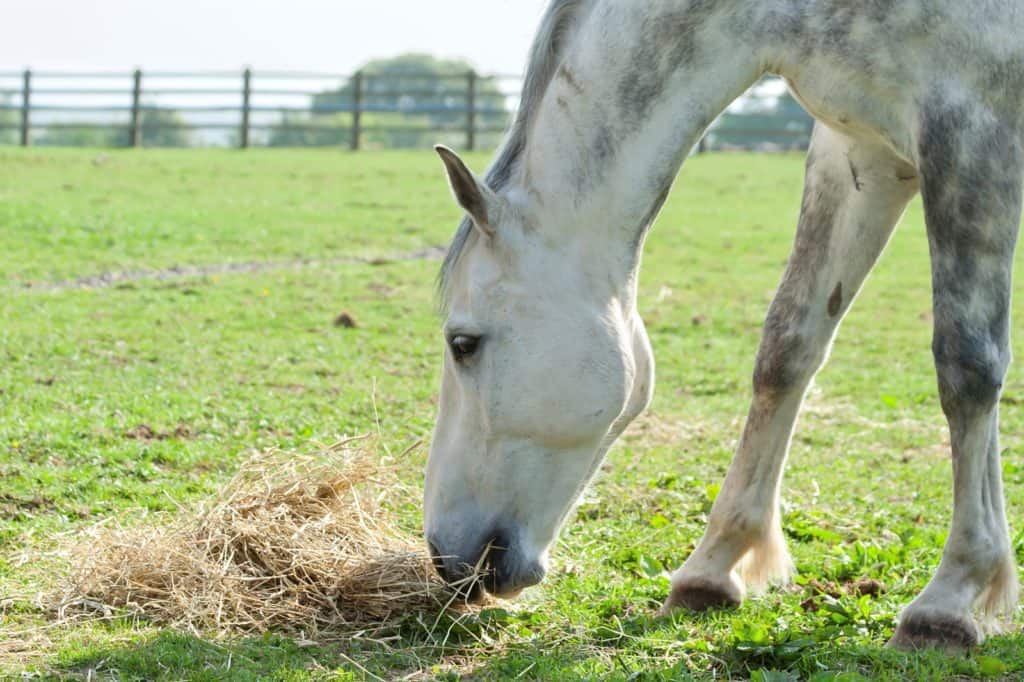
Your old horse’s rations might not need to change just because he’s got a few more gray hairs around his eyes. Still, owners should consider some key points when feeding their seniors.

The earlier a veterinarian can intervene and begin treatment in a laminitic case, the greater chances of success, which could mean saving the horse’s life.

Veterinarians have only recently described this dental disorder, which primarily affects older horses’ incisors and canines. Because EOTRH comes on slowly and insidiously, many owners and their vets don’t pick up on it until it’s in its late—and painful—stages, one equine dental specialist says.

If your senior horse has few to no teeth, he might not be chewing and digesting the nutrients he needs to maintain his health.

Dr. Liz Arbittier encourages owners and caretakers of senior horses to call their vet if they notice any changes in health or behavior, even when it seems minor, to identify issues and begin treatment early. Here’s what to watch for.
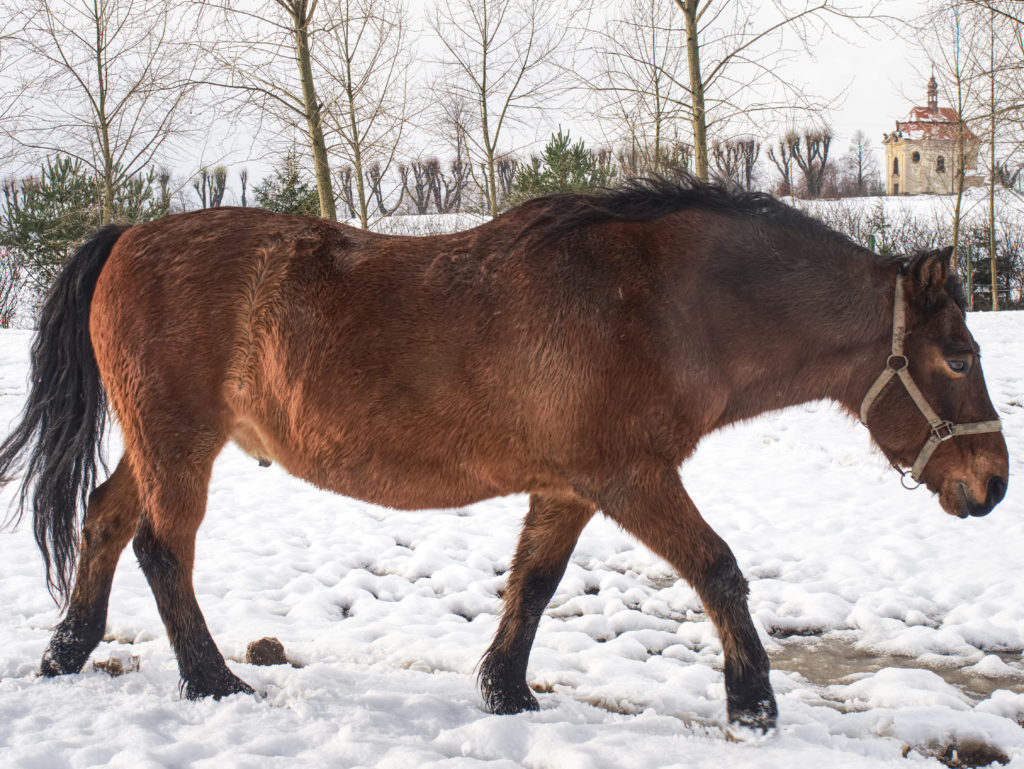
Researchers found that endocrine-disrupting chemical accumulation in blood could explain some environmental variance seen in EMS horses, but the precise role they play in EMS development isn’t yet clear.

The condition of your horse’s teeth can have a big impact on how he’s fed. Here’s what to know.

Horses consuming a particular supplement had higher high-molecular-weight adiponectin blood concentrations and lower insulin concentrations than when they didn’t consume it. And this, researchers say, could help reduce laminitis risk. Here’s why.
Dr. Dominic Dawson, an internal medicine specialist at the University of California, Davis, discusses important old horse dental issues and makes dental care recommendations for aging equids.

The older equine population is at greater risk of developing debilitating endocrine disorders such as insulin dysregulation and equine metabolic syndrome, all of which are best identified and treated as early as possible.
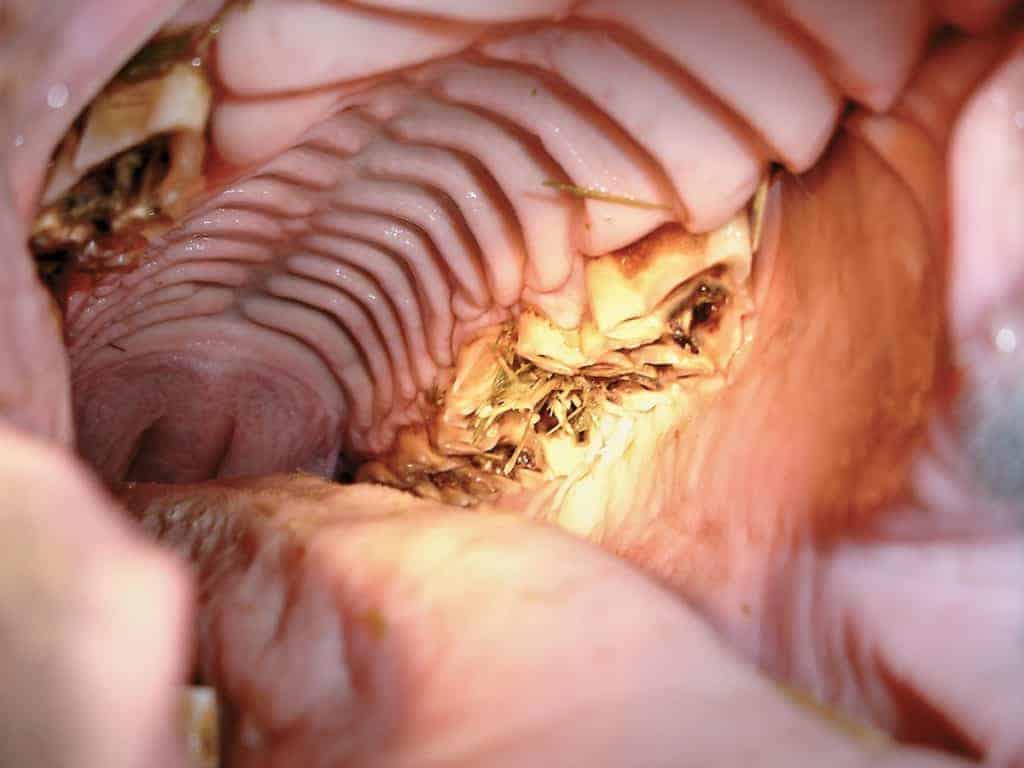
Are your horse’s teeth bothering him? Here are some common signs to watch for.