Grasping Insulin Resistance in Horses
Two leading researchers explain insulin’s effects on the body and how to manage the insulin-resistant horse.

Two leading researchers explain insulin’s effects on the body and how to manage the insulin-resistant horse.
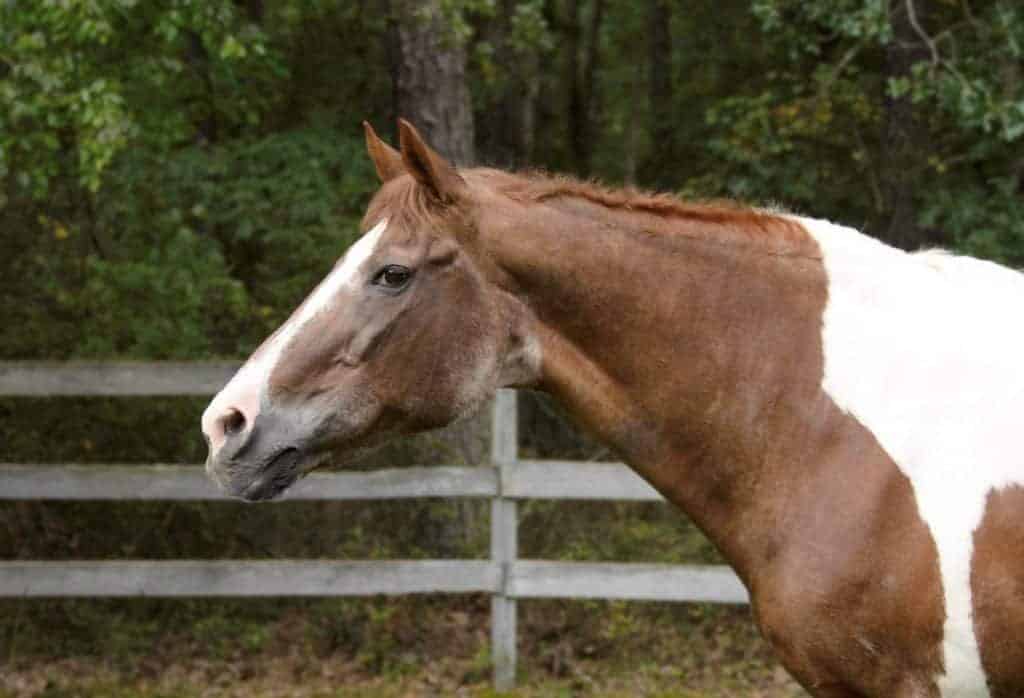
Aging horses often require individualized care to keep them comfortable and happy. Listen as our expert answers questions about senior horse health conditions, nutrition, hoof care, and more.

A new study looks at age as a predisposing factor for post-operative nasogastric reflux and mortality.

A researcher investigated how long horses spent eating when offered varying amounts of soluble fiber. Her findings could help your horse avoid health and behavior issues, such as gastric ulcers and cribbing.

Here’s how to manage senior horses’ aging teeth, joints, lungs, and more.

The 17-year-old gelding finished ninth in the 100-mile Tevis Cup. This was his fifth consecutive Tevis, and he’s never finished out of the Top 10.
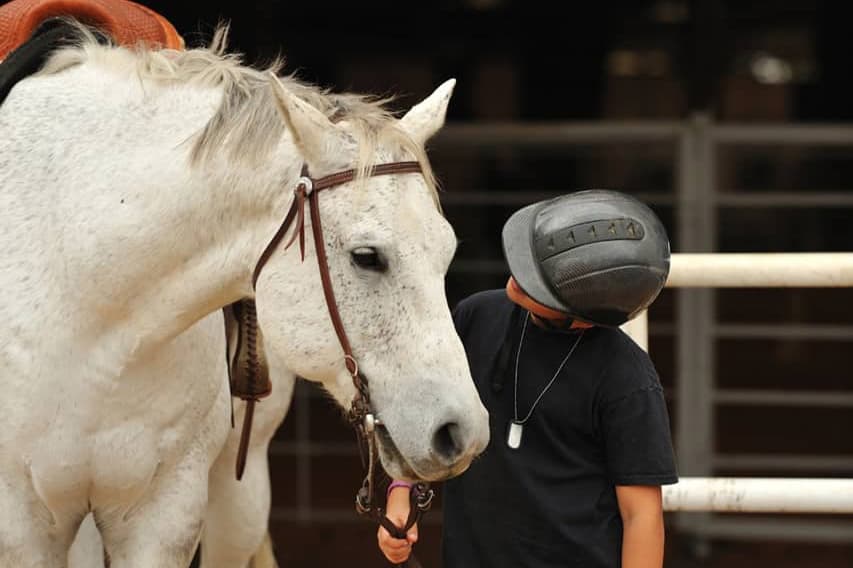
A good lesson horse is a valuable member of any riding program. Our sources share tips on keeping these trusty steeds happy and healthy.

Your horse’s feet are his foundation. What does a healthy hoof look like? Does your horse need shoes, or is he fine barefoot? And what about hoof boots? Learn how to work with your farrier (or trimmer) and veterinarian to ensure your horse’s feet receive the right care.

Our equine nutritionist offers her secrets for solving chronic diarrhea in horses.

Can horses with PPID be turned out on pasture and have grass? It depends, one researcher says. Here’s why.

Aging for horses means strength and flexibility diminish, as well as the body’s ability to handle infection. Still, there are steps owners can take to keep senior horses happy and healthy.

Do you know the difference? Dr. Jeanette Mero outlines the clinical signs of heat exhaustion and stroke in horses.

Veterinarians are using chiropractic techniques more frequently to evaluate and treat back disorders in horses. Here, a CSU professor and researcher outlines basic principles.
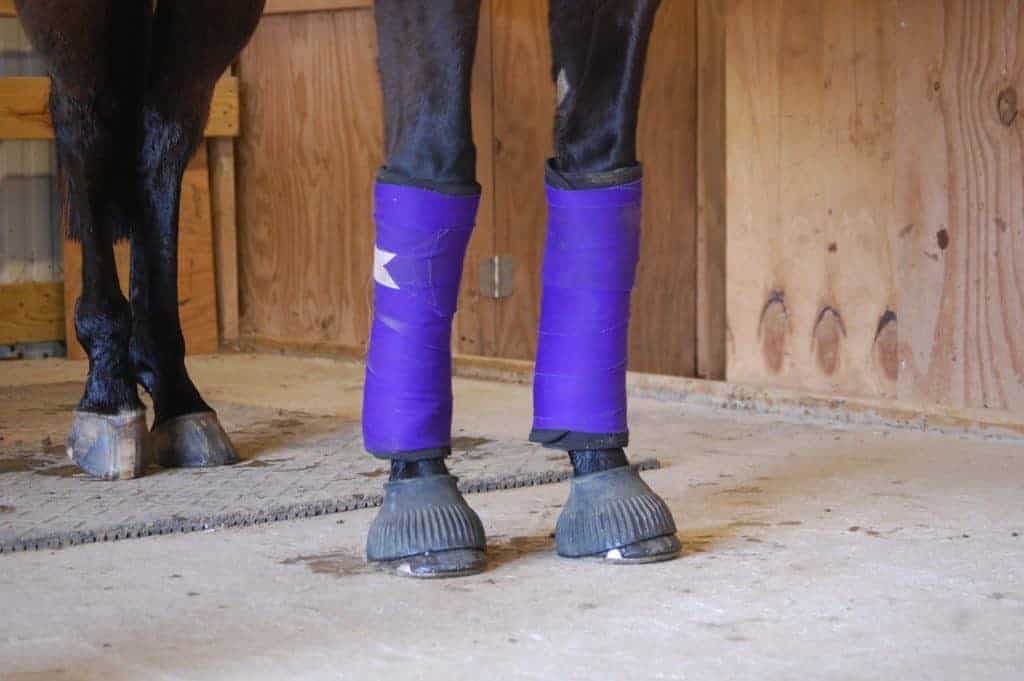
Our equine nutritionist offers feeding advice to help the stocked-up horse.

Researchers found providing handfuls of forage to horses within hours after colic surgery improved gut healing.

Summer is a great time to get out and enjoy your horse, but the season also comes with management challenges. In this prerecorded Q&A, we’ll answer your hot weather health questions about riding, bathing, hydration, and transportation. You’ll also learn the signs of heat exhaustion and how to protect your horse.