Watch for False PPID Positives in Insulin-Dysregulated Ponies
Insulin dysregulation can coincide with high ACTH concentrations in the fall, even when an animal does not have PPID.

Insulin dysregulation can coincide with high ACTH concentrations in the fall, even when an animal does not have PPID.

Learn about the differences, and a few key similarities, between these two endocrine diseases.

A 13-year study showed this PPID treatment improves horses’ clinical signs and quality of life over prolonged periods.

Researchers compared the test’s results to those of a commonly used laboratory method to determine their association.

Aging mules and donkeys need to be managed just as carefully as horses. Here’s what you need to know.

A veterinarian explains what to pay attention to when treating a horse that has PPID or EMS for joint discomfort.

Horses with equine Cushing’s disease need regular assessments to determine their response to pergolide and adjust dosing as needed.

Factors to consider when making an equine Cushing’s disease diagnosis, including testing methods, time of year, and more.

Typically, grass has less sugar overnight and in the early morning than during the day.

Researcher: Blood sample timing is key when using TRH stimulation to help diagnose PPID.

Horses with equine Cushing’s might benefit from blue light therapy to help them grow lighter, more comfortable winter coats.

Watch for early, subtle signs of pituitary pars intermedia dysfunction (PPID, formerly equine Cushing’s), and pursue bloodwork to see if intervention is needed. Sponsored by Boehringer Ingelheim.
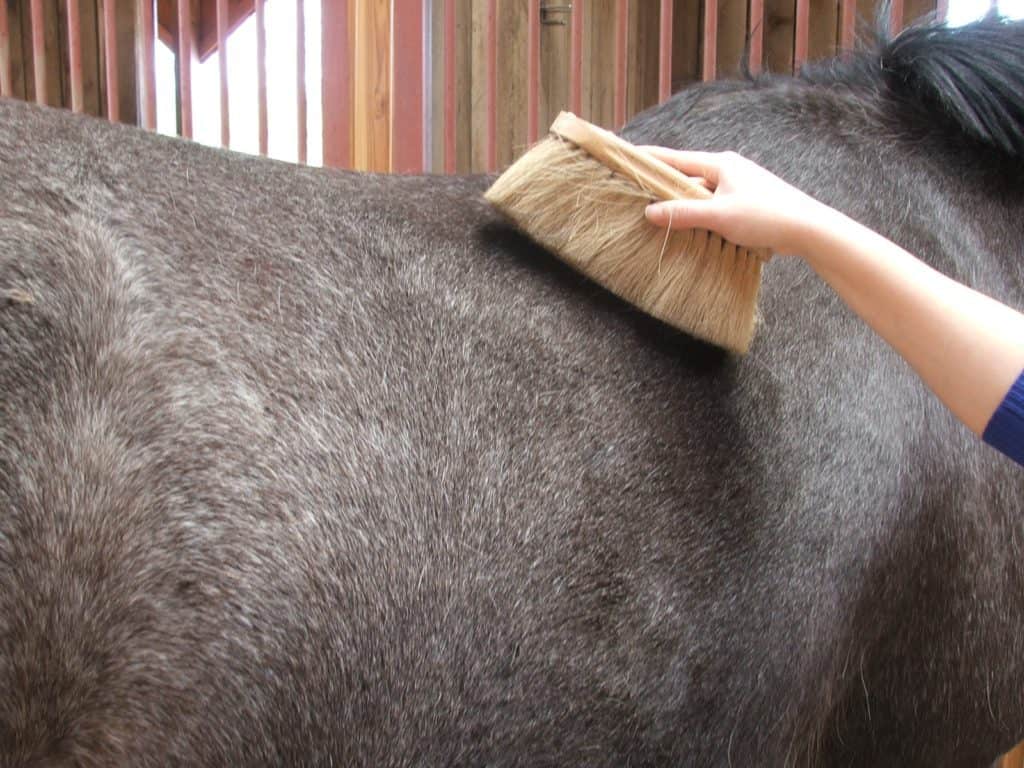
Senior horses with PPID need careful monitoring and preventive care because of equine Cushing’s effects on immunity, exercise tolerance, thermoregulation, and wound healing.
While diet is not directly used to manage PPID, nutritional management goes a long way in helping support these horses.

A nutritionist offers ideas for getting a pre-Cushing’s horse to eat his supplements while maintaining his special diet.

Learn the differences between equine metabolic syndrome (EMS), pituitary pars intermedia dysfunction (PPID), and insulin dysregulation (ID).