Desert Horse-Keeping
From hydration to irrigation, learn how to combat challenges that come with caring for horses in arid climates.

From hydration to irrigation, learn how to combat challenges that come with caring for horses in arid climates.

In addition, researchers identified criteria that helps clearly distinguish a horse in pain from one that’s not in pain.

Top tweets from the AAEP President’s luncheon and Tuesday’s educational sessions.

A barn was released from an EHV-1 quarantine, but is the risk for disease transmission gone? A veterinarian weighs in.

Researchers found that treating suspensory ligament branch tears surgically generally yielded a good prognosis and proved superior to noninvasive management. However, they cautioned, surgical intervention is lesion-specific and not applicable to all suspensory branch injuries.

Diagnosing SI injuries in horses remains challenging. One veterinarian recommends practitioners rule out other causes of pain when making a diagnosis and take a systemic approach using all available modalities.
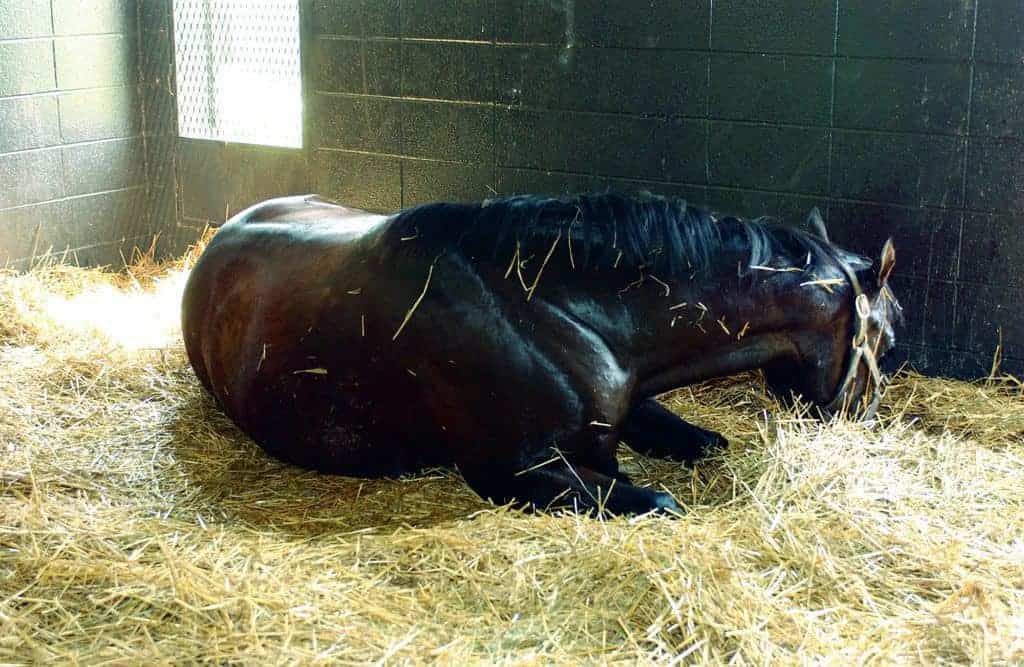
Carolyn Arnold, DVM, Dipl. ACVS, of Texas A&M University offers a better understanding of the gut microbiome’s role in colic and colitis.

Being an equine veterinarian isn’t always easy, but one practitioner says it’s cases like this that make it all worthwhile.
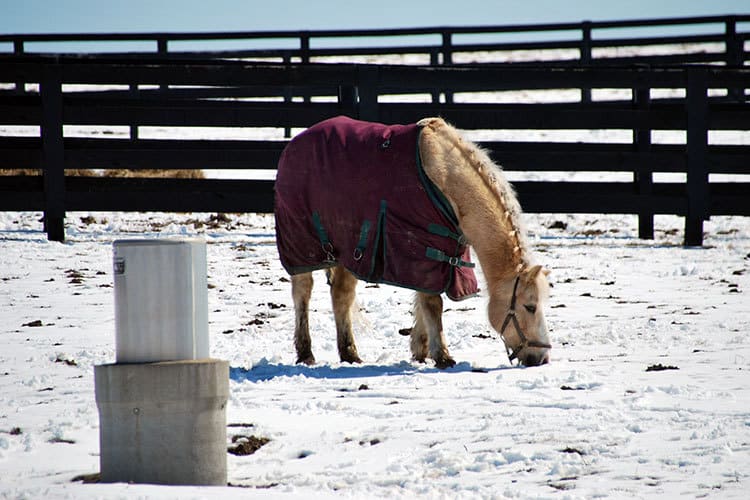
Learn how to avoid and address impaction colic, a common cause of cold-weather emergency farm calls.
Top tweets and take-homes from Monday’s educational sessions on topics including saddle fit and mare reproduction.
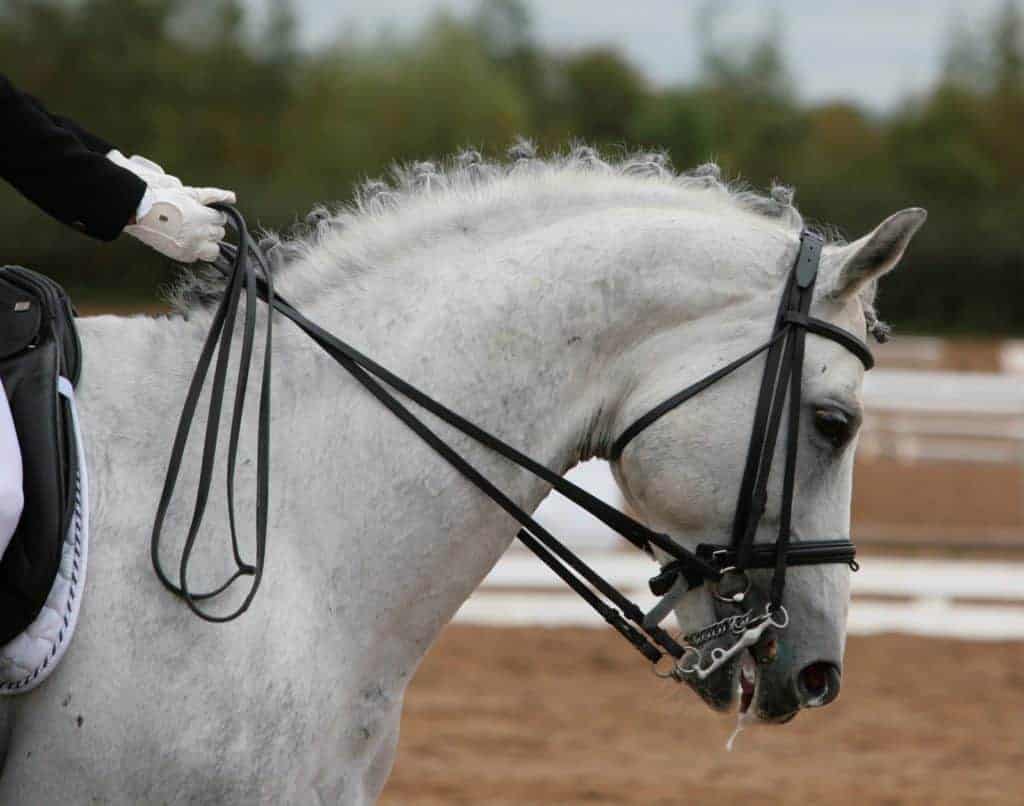
Dr. Janne Winther Christensen penned an open letter to World Horse Welfare, on behalf of ISES, highlighting the importance of noseband checks for equine health and welfare, and Roly Owers, of WHW, responded.
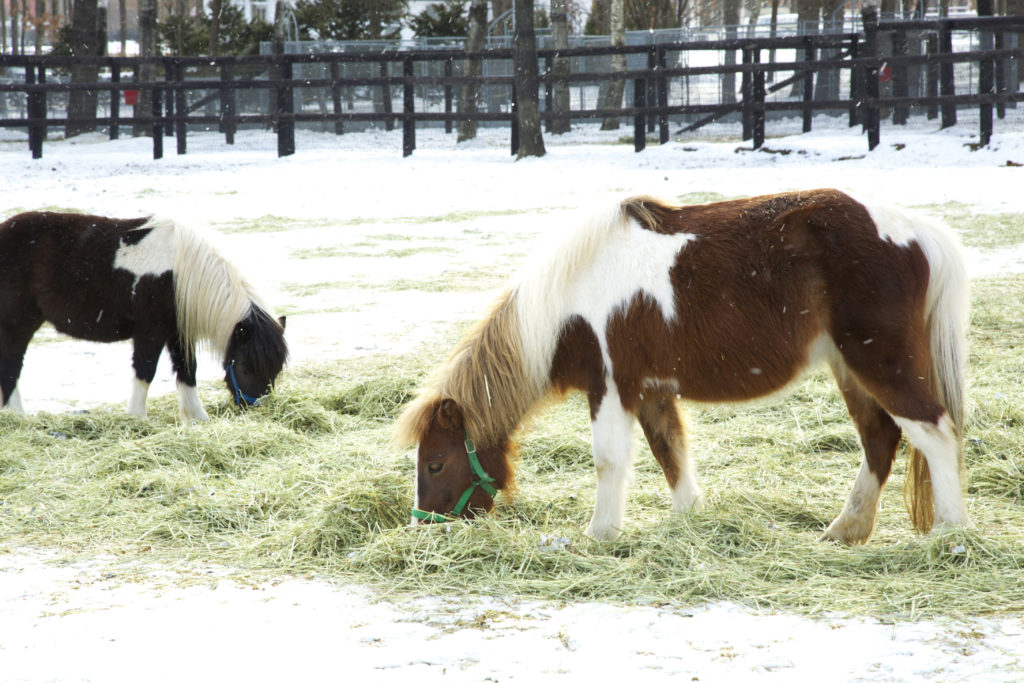
A horse owner asks if she’s feeding her horse hay often enough. Nutritionist Dr. Clair Thunes responds.

Remember these 3 simple things to help your horse maintain his weight and health this winter.
Strangles is highly contagious and can spread rapidly through horse populations and barns, so quick containment is essential. One veterinarian offers his tips on how to stop strangles from spreading.

Not every owner has access to pasture for their horses. Download this free report to learn more about drylots and special considerations for housing horses in pastureless regions.

Tendon rehab in horses should include heavy and slow loading, pain monitoring, and progressive resistance.