Getting a Second Wind: Helping Equine Athletes Breathe
Are breathing issues slowing your horse down? Here are some surgical and management options that might help.
How to care for the basic health needs of horses

Are breathing issues slowing your horse down? Here are some surgical and management options that might help.

Look for equine respiratory health content during Respiratory Care Awareness Week, which takes place October 22-26, 2018.

Find out how long it takes for a horse to be protected from disease after vaccination. Dr. Elizabeth Davis explains.

Find out from Dr. Elizabeth Davis how vaccines prime the immune system and why some horses might still get sick.

The new equine microchip look-up tool will allow horse owners, law enforcement, animal health officials, and others to search for association affiliation for horses that have been microchipped and registered with a participating organization.

While some species develop a local immune response, sending special protective cells to the uterus itself, mares don’t, researchers learned recently. Rather, they appear to send those cells elsewhere as soon as semen enters the uterus. Where they go, nobody knows (yet).

Get an early look at the American Association of Equine Practitioners’ 64th Annual Convention in San Francisco, California.

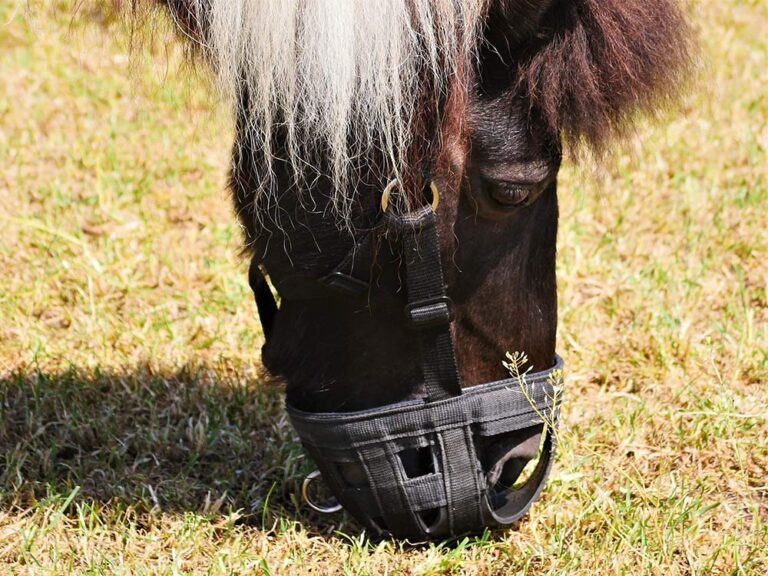
How can I make my horse a less attractive target for his pasturemate, who likes to tug at halters and fly masks?

The garments—depicting bones, muscle groups, and more—can help veterinary students, chiropractors, and even owners and riders better understand the structures hidden under horses’ skin, researchers said.

Dr. Jacquelin Boggs shares why horses need a rabies vaccine every year and how long vaccines protect horses in general.

Dr. Elizabeth Davis explains how experts selected the vaccines every horse should receive.

The veterinary technician is often the primary staff member responsible for overseeing recovery from anesthesia.

Cranial nuchal bursitis occurs when nuchal ligament (located near the horse’s poll) bursae become inflamed and sometimes infected. It generally causes pain, limited head and neck flexion, and poor performance.

The equine genomics research community has outlined how to face the challenges associated with translating Horse Genome Project outcomes into clinical practice to benefit horses.

There’s not one particular approach for rehabilitating injured joints. Here are a few of the options vets have to use.

Skin problems were the most common general disease reported (33% of all syndromes recorded) and nonhoof-related lower limb lameness was the most common individual issue reported (18.5% of all syndromes recorded).
Stay on top of the most recent Horse Health news with
"*" indicates required fields