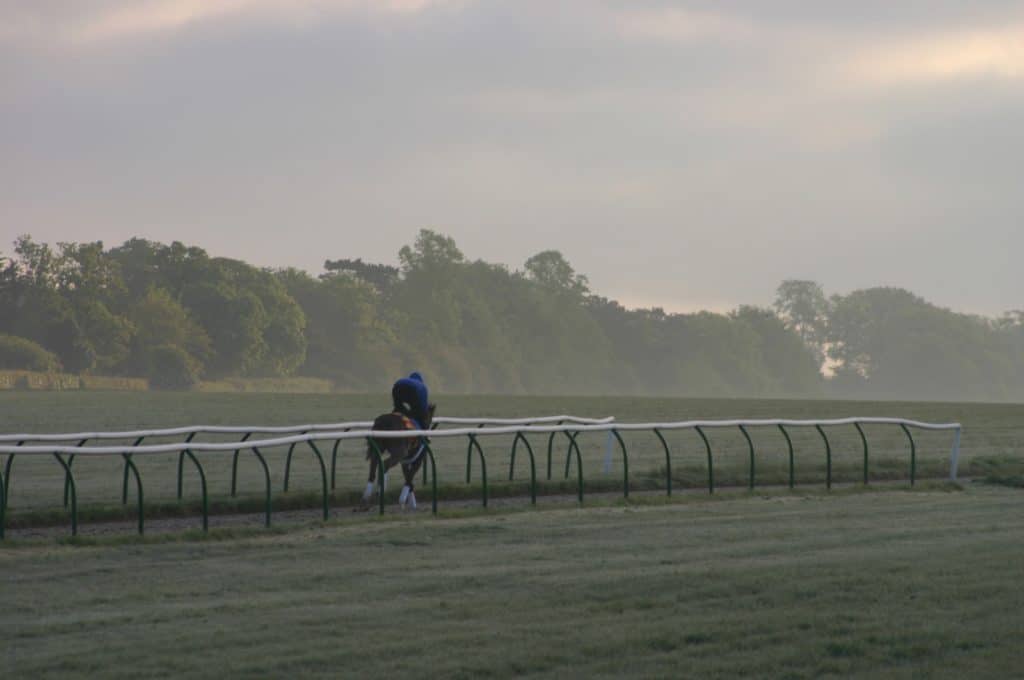
BHA Board Confirms Equine Anti-Doping Rules Review
The British Horseracing Authority will conduct a full review of the sport’s equine anti-doping rules, it announced this week.

The British Horseracing Authority will conduct a full review of the sport’s equine anti-doping rules, it announced this week.

She is studying how diet, exercise, and season impact metabolic and inflammatory responses in horses with endocrinopathies.

A reader seeks advice for introducing a new companion to her horse after his pasturemate’s death.
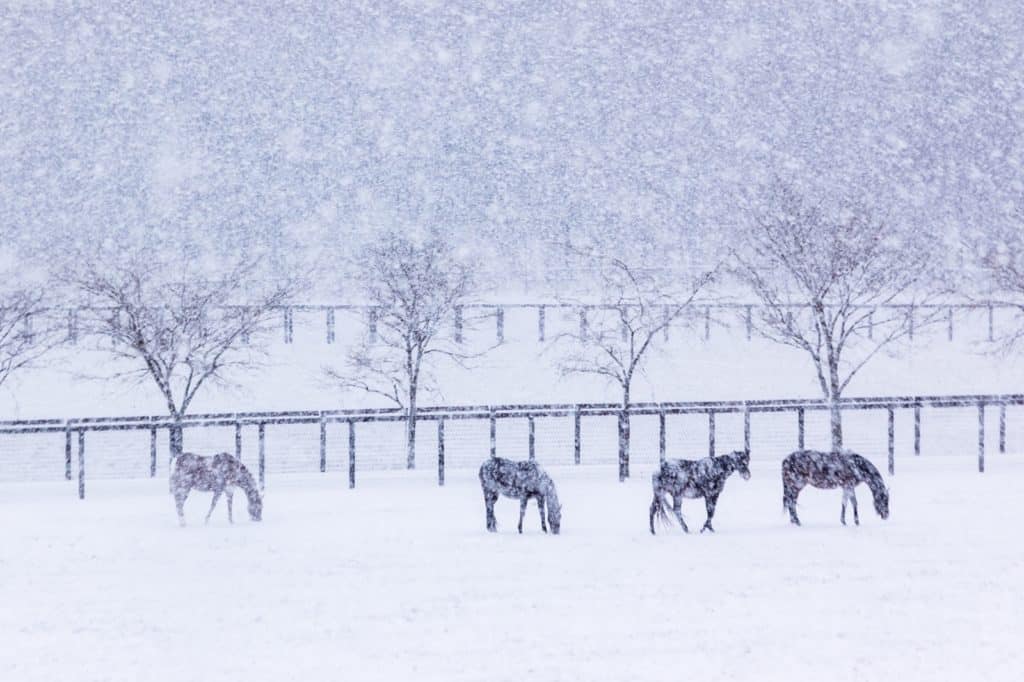
Ensure horses and livestock have adequate shelter, water, dry bedding, and feed to make it through the cold spell.
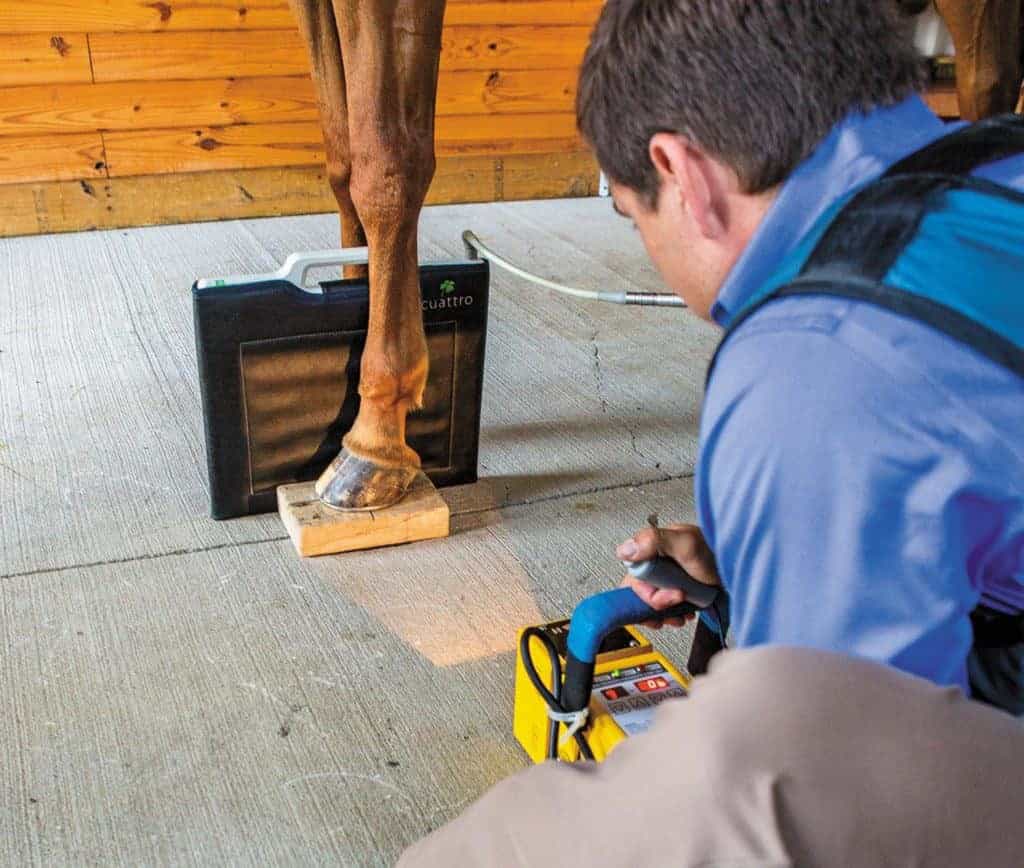
Dr. Janik Gasiorowski shares what PPE components are important when evaluating an off-track prospect.

Zinc-deficient horses can exhibit reduced growth rates, inappetence, and skin abnormalities, among other issues.

Vets discussed kissing spines, memory foam, English and Western saddle fit, rider weight, rein lameness, and more.

Find out how your veterinarian might diagnose and treat this pulmonary disorder, and how you can prevent it.

The summit will be held June 27, 2018, at the Keeneland sales pavilion, in Lexington, Kentucky.

Qualifying facilities can receive EEE/WEE, EHV, WNV, influenza, tetanus, and rabies vaccines for horses.

Vets must look comprehensively at the clinical picture to not only diagnose the disease but also come up with a treatment plan and prognosis.

Foals with a selenium deficiency are at risk of developing white muscle disease, which leads to skeletal and cardiac muscle abnormalities.
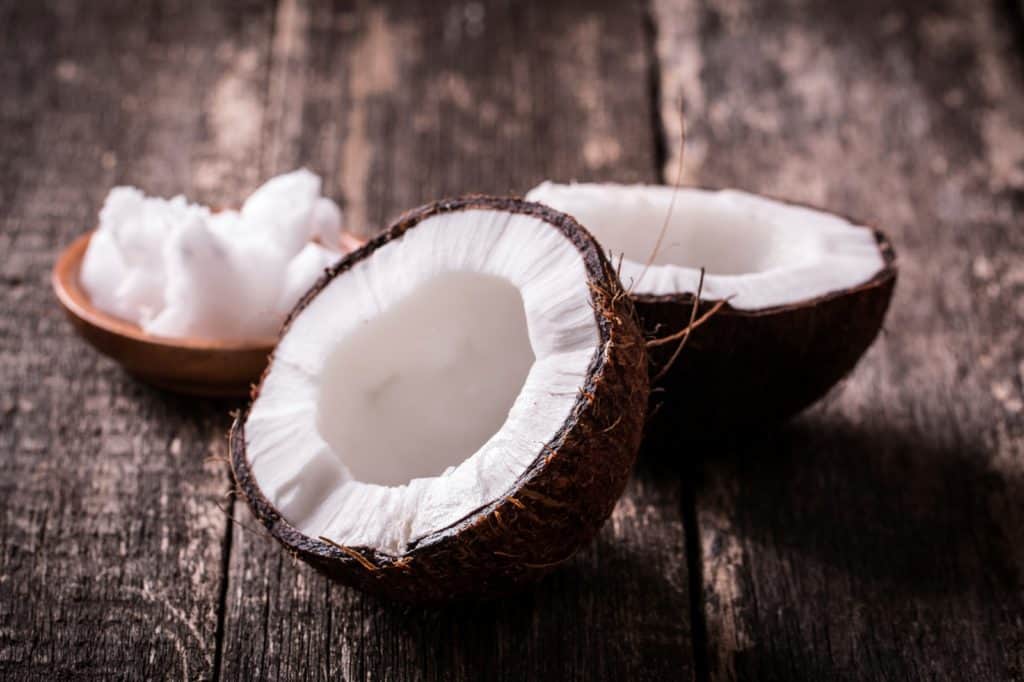
Is rice bran or coconut (copra) meal a better option to help a horse gain weight? Our nutritionist shares her thoughts.
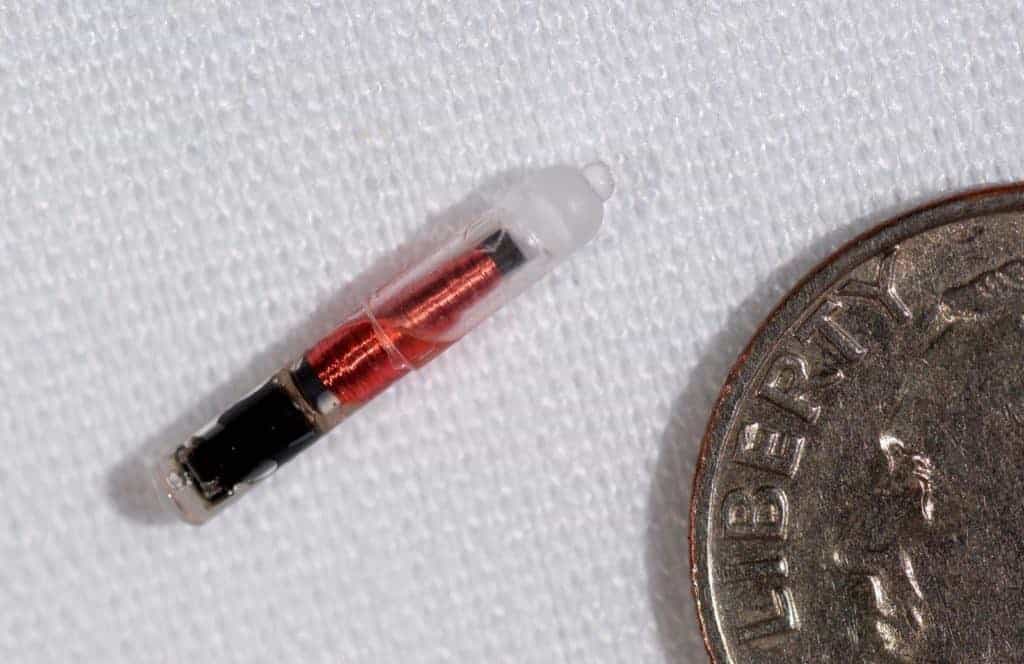
While microchipping is safe and practical, chips can be hard to trace if owner and database information isn’t kept current.
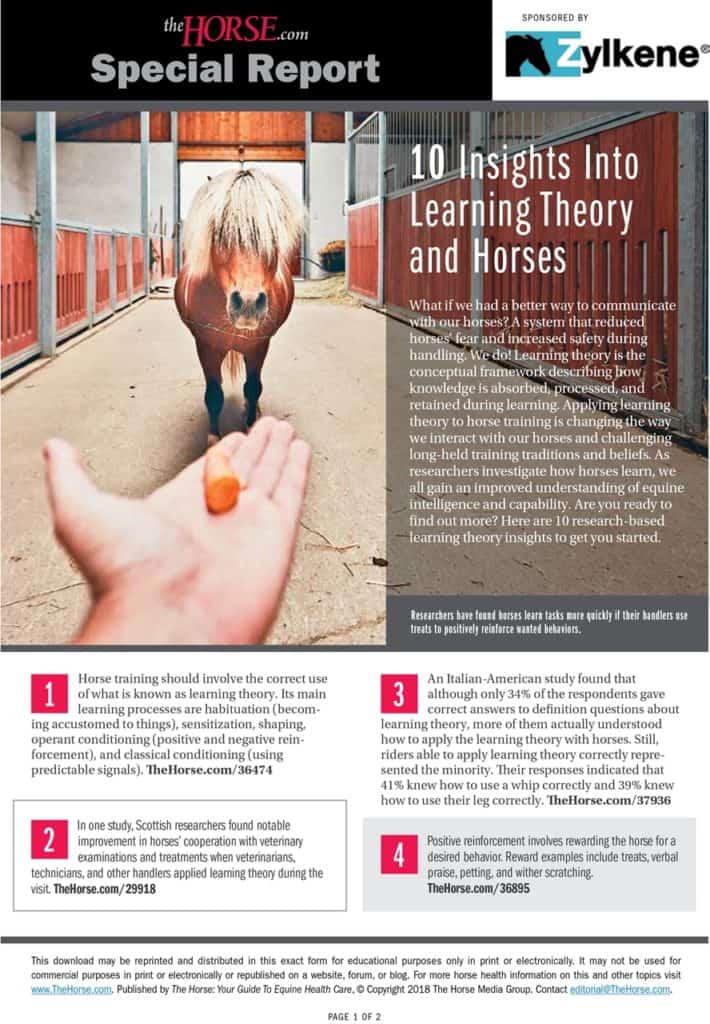
Do you want to learn how to better communicate with your horse? Check out these 10 research-based learning theory insights.

Fatal injuries in North American flat racing horses has decreased by 23%, but there’s still work to be done.