Behavior Problems in Mares: Ovaries Aren’t Always to Blame
Removing the ovaries won’t fix other issues, from static shock to bladder adhesions, that can make mares behave badly.

Removing the ovaries won’t fix other issues, from static shock to bladder adhesions, that can make mares behave badly.

A 15-minute tourniquet application was sufficient to achieve peak synovial amicacin concentrations in the coffin joint.
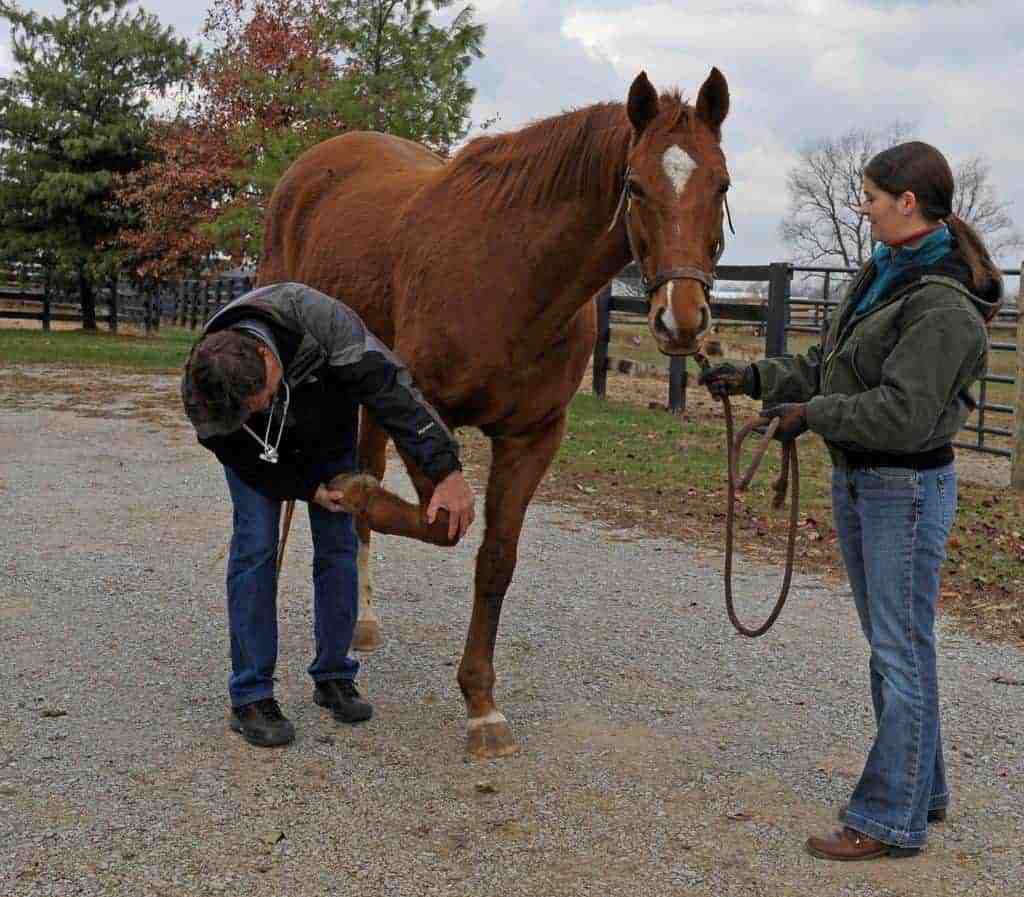
BEVA hopes this educational week will help reduce the safety and health risks equine vets face on a daily basis.
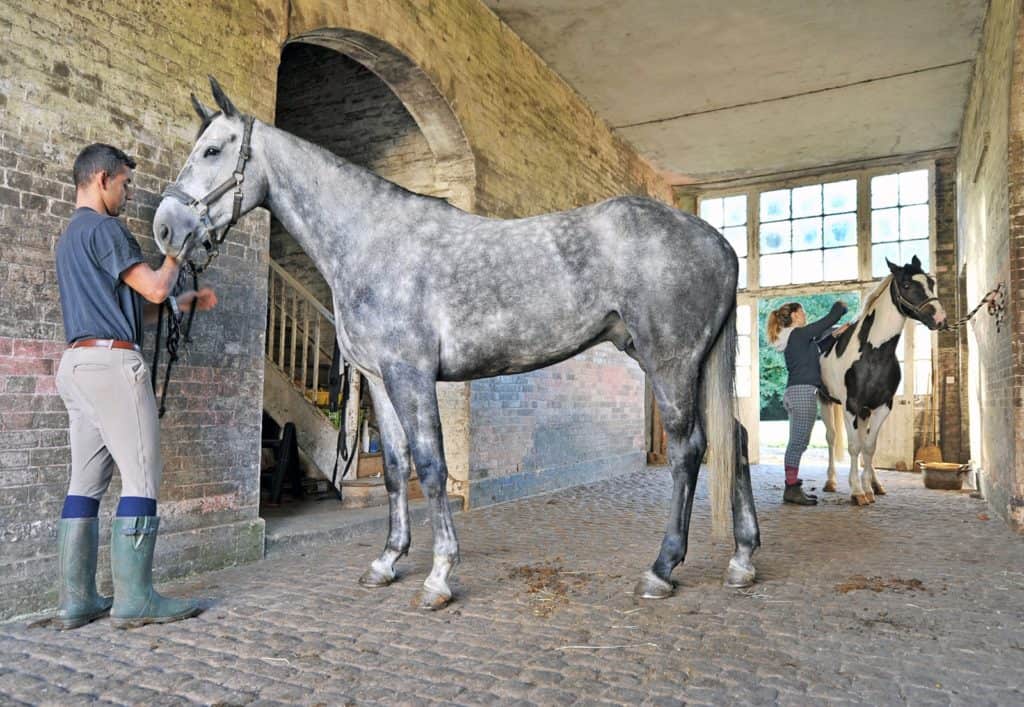
Researchers recently determined that horses appear more bothered by social isolation than mild pain.
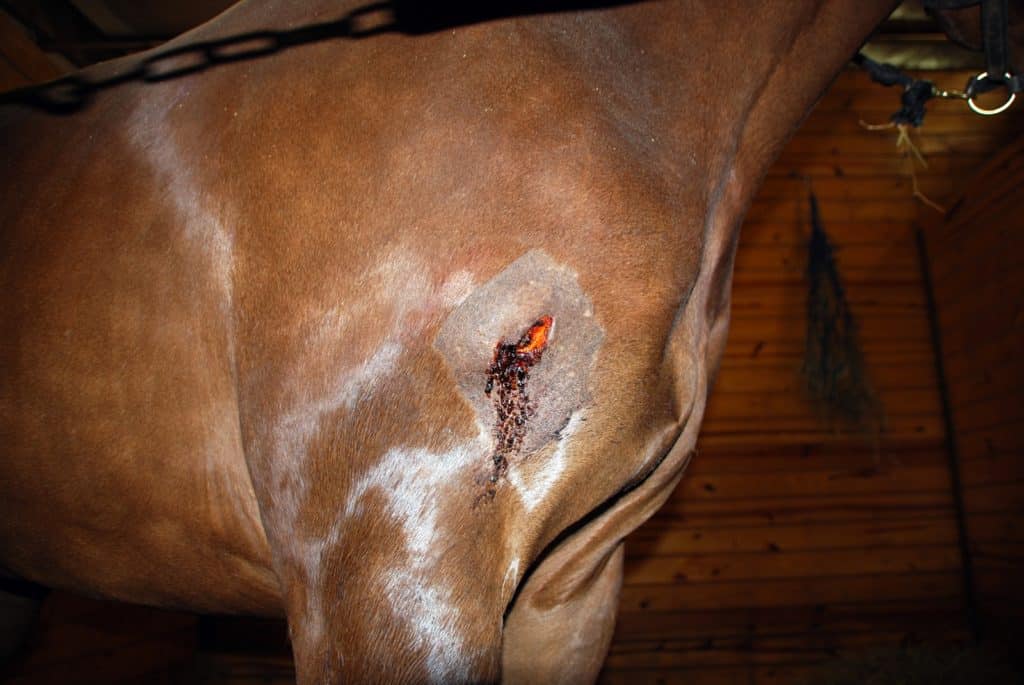
Cornell researchers found that factors secreted by mesenchymal stromal cells might help fight bacteria in skin wounds.

Resistant bacteria do not necessarily have the ability to cause more severe disease as long as veterinarians identify them promptly and begin appropriate treatment.

Of the 323 respondents, only 81 (25%) have had a gastroscopy performed on their horse to check for ulcers.

Discuss topics from travel plans to your horse’s age with your veterinarian to help ensure yearlong equine wellness.

During AAEP’s Kester News Hour, Dr. Rob MacKay reviewed his favorite studies of 2017, covering EPM, EHV, SAA, and more.
The AAEP’s updated guidelines includes newly created guidelines for Rhodoccocus equi.

A “GIP” antagonist could provide an alternative way to combat metabolic disease in equids, researchers found.

While scales are most accurate, they’re not always accessible. Here are some other weight estimation techniques to try.
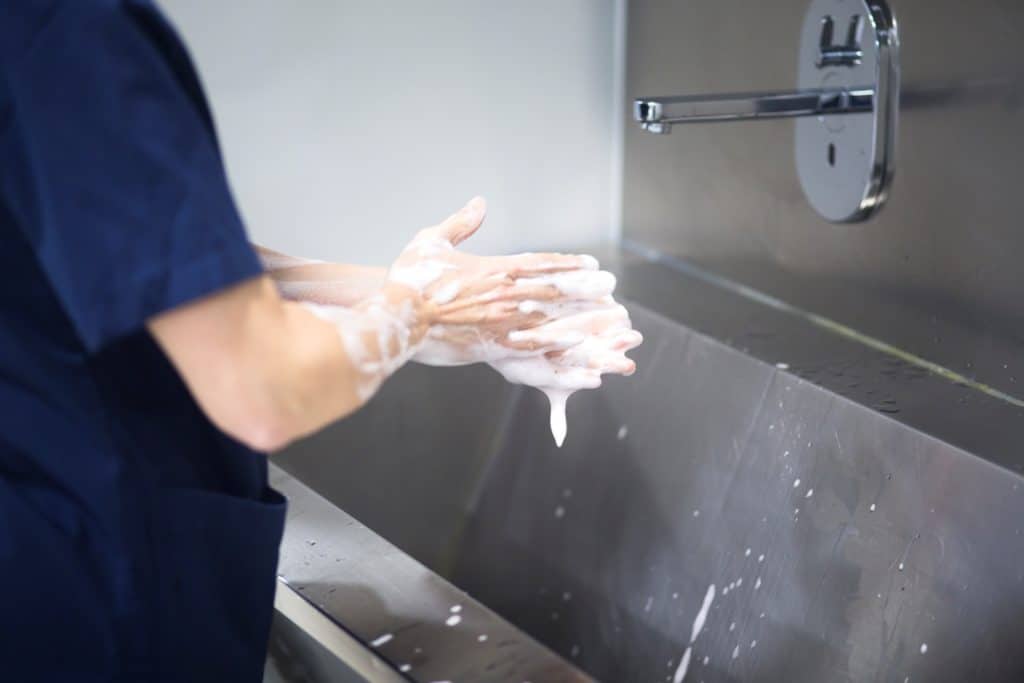
This confirms the need for good hygiene within vet hospitals to prevent MRSA spread between veterinarians and horses.

Both anti-inflammatory drugs reduced fecal microbial diversity, which could negatively impact horse health.
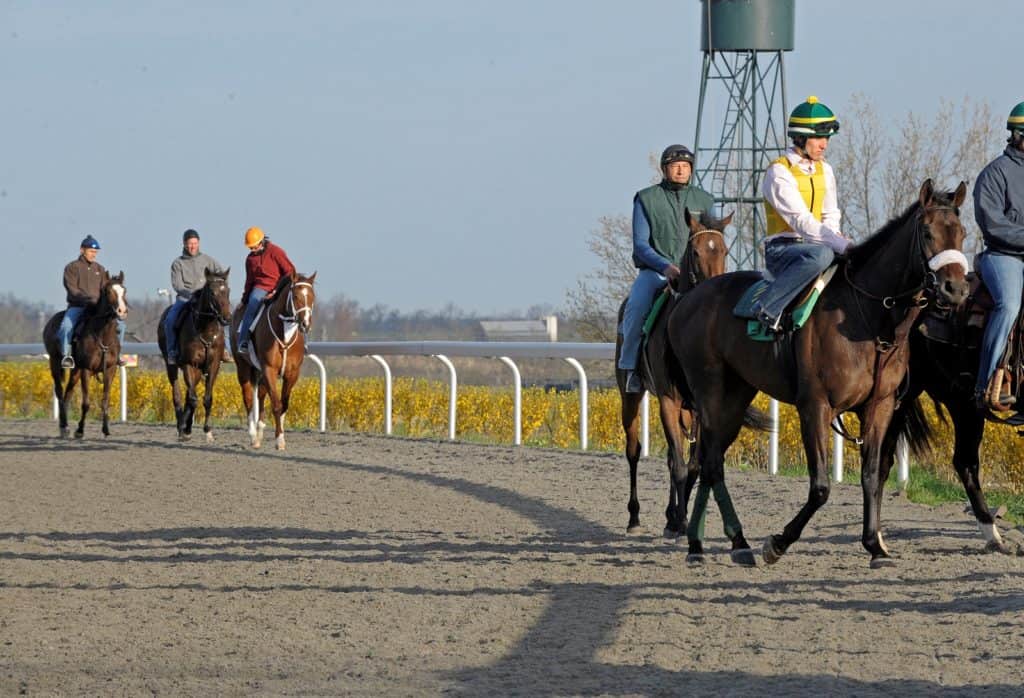
In this first part in a series on testing and maintaining equine competition surface, we focus on racetracks.

Both endoscopic techniques provide invaluable information and, in most cases, should be used together, one practitioner says.