EVJ Publishes Free Equine Vaccine Research Collection
The collection includes research on controlling equine influenza, immunology in young horses, herd immunity, and more.

The collection includes research on controlling equine influenza, immunology in young horses, herd immunity, and more.

Many gastric-support supplements include pectin and lecithins. Find out how they might help horses with EGUS.

Weanlings turned out with shelter access had no more respiratory issues than those housed in warmer stables during a harsh Finnish winter.

Researchers evaluated 1,154 Thoroughbreds’ Timeform ratings and performance before and after vaccination and detected no difference in form.
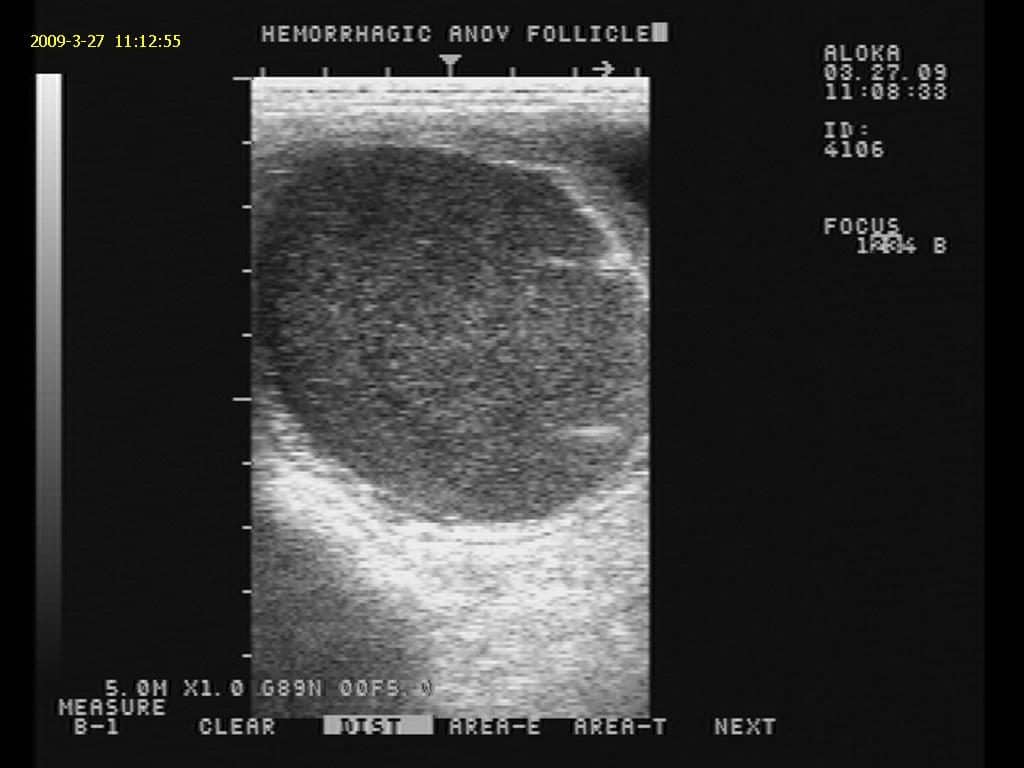
Knowing which ovarian abnormalities are benign and which are pathogenic can help vets manage mare successfully.
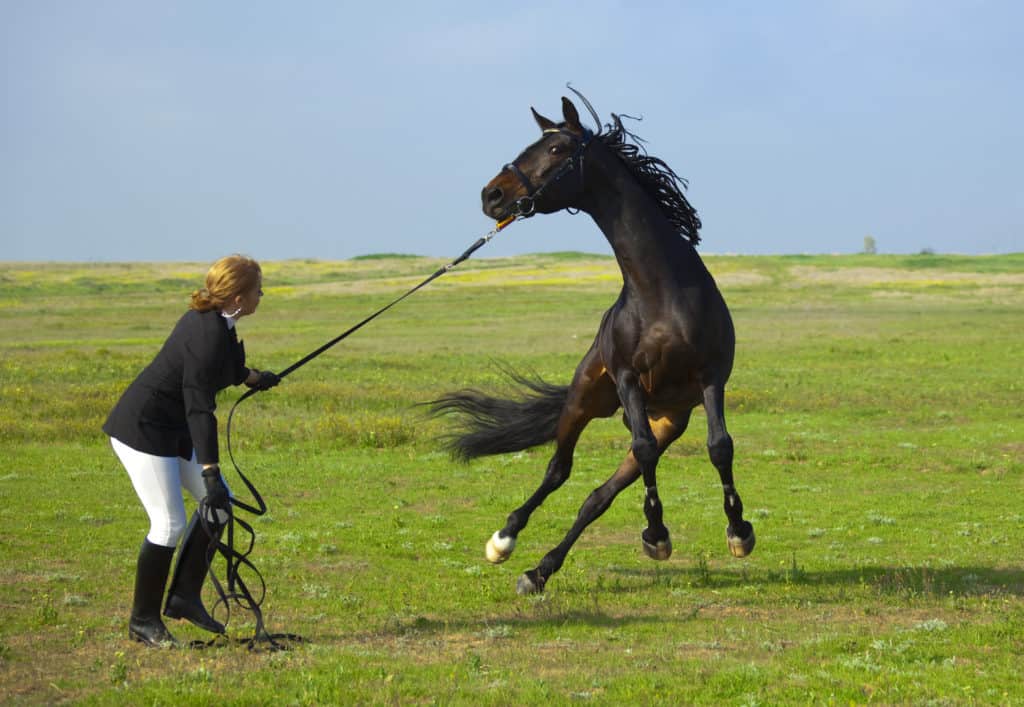
A reader wonders if there’s a connection between a horse’s spooky behavior and hearing impairment.
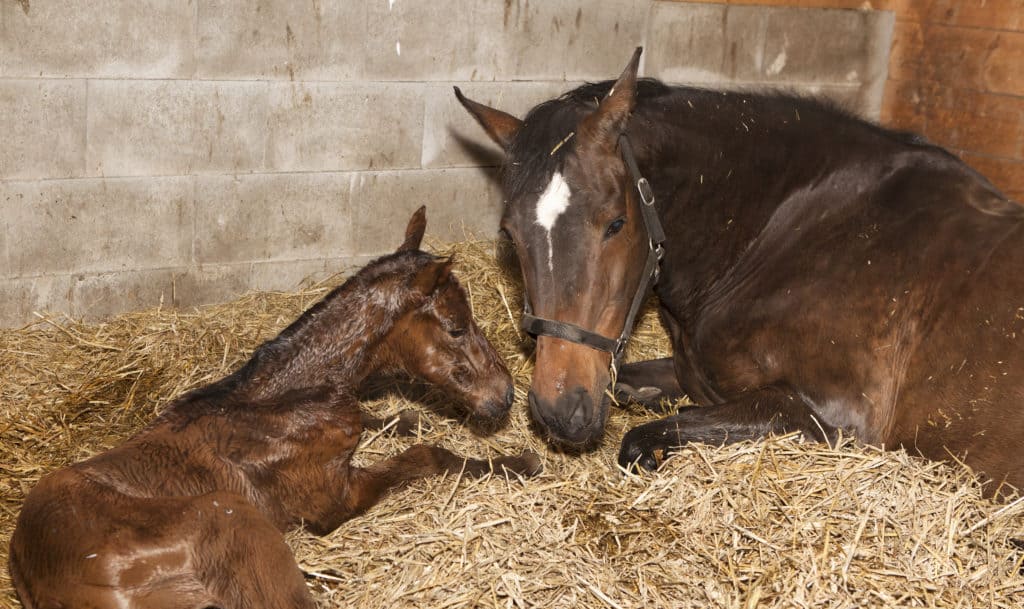
Ensure your foal has a smooth start to life and prompt treatment of any issues that might arise.
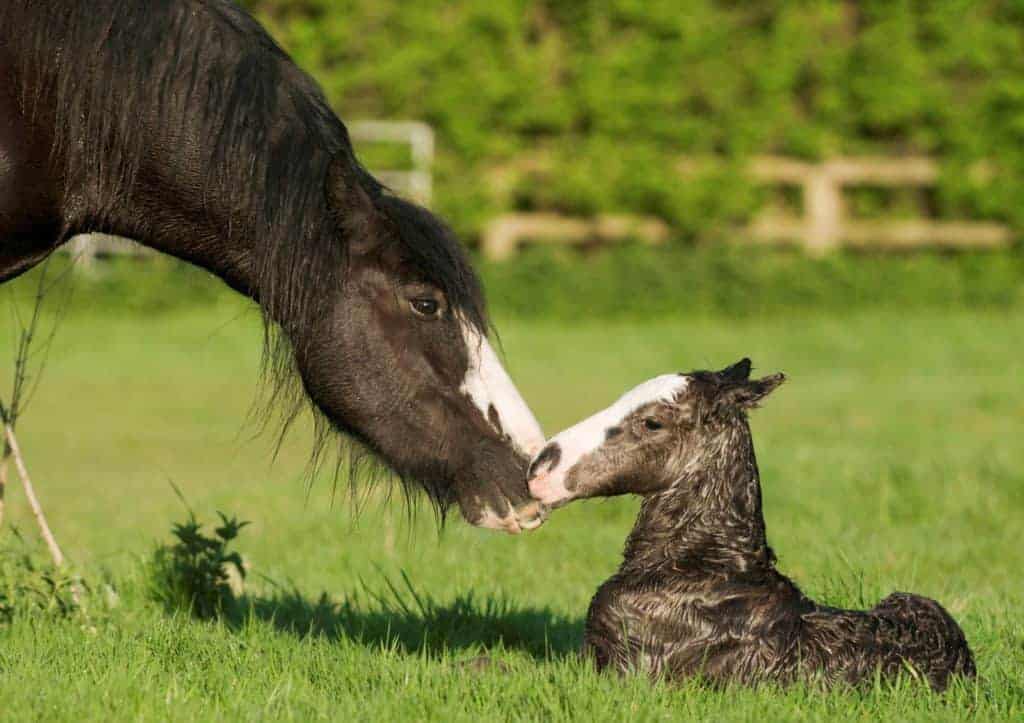
Do you have a foal due? Learn how to prepare your mare for foaling, care for your newborn, and spot issues early.

The domains focus on horses’ nutrition, environment, health, behavior, and mental experiences.
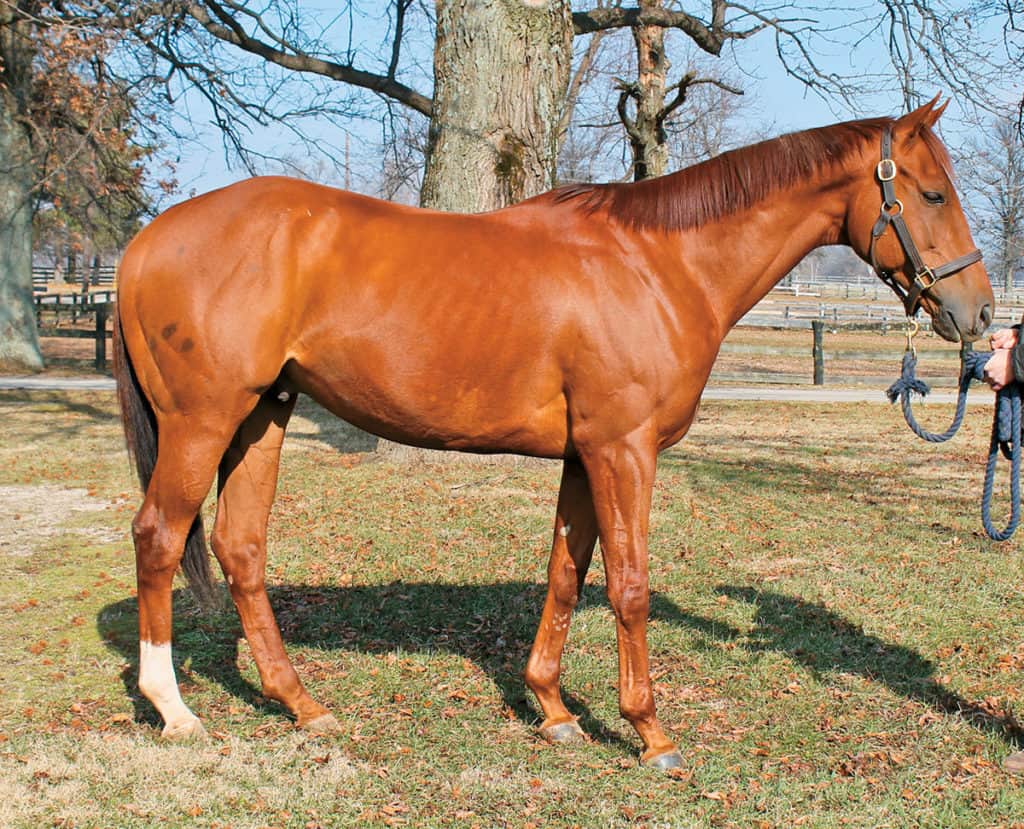
Dr. Janik Gasiorowski and Steuart Pittman share what they look for when evaluating an OTTB prospect’s conformation.

Trail-riding and horse-camping expert and author Bonnie Davis demonstrates how to perform a safety check on your horse trailer before hitting the road.

Being able to describe your horse’s vital signs to your vet can be a life-saver during an emergency. In this video, Dr. Tom Casselberry, of Fairfield Calif., demonstrates how to check your horse’s pulse.

Becky Rodrigues provides tips on how to safely remove your horse from a herd setting, including assessing herd dynamics, treating your horse, leading out from the herd, finding safe routes, and more.

Dr. Rocky Mason of Hagyard Equine Medical Institute demonstrates how to safely administer intramuscular medications.
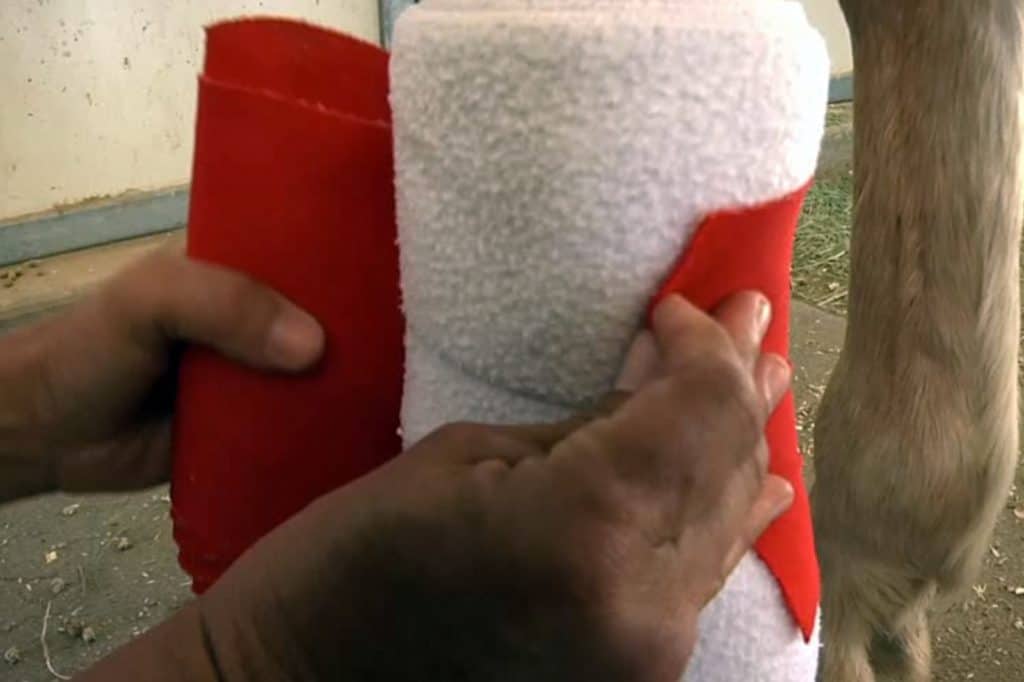
Becky Rodrigues explains when and how to use standing wraps on your horse’s legs.

Kerri Lake, a professional facilitator of animal perspectives and communication, talks about how to help your horse feel safe with you.