Furosemide Administration Time Makes a Difference
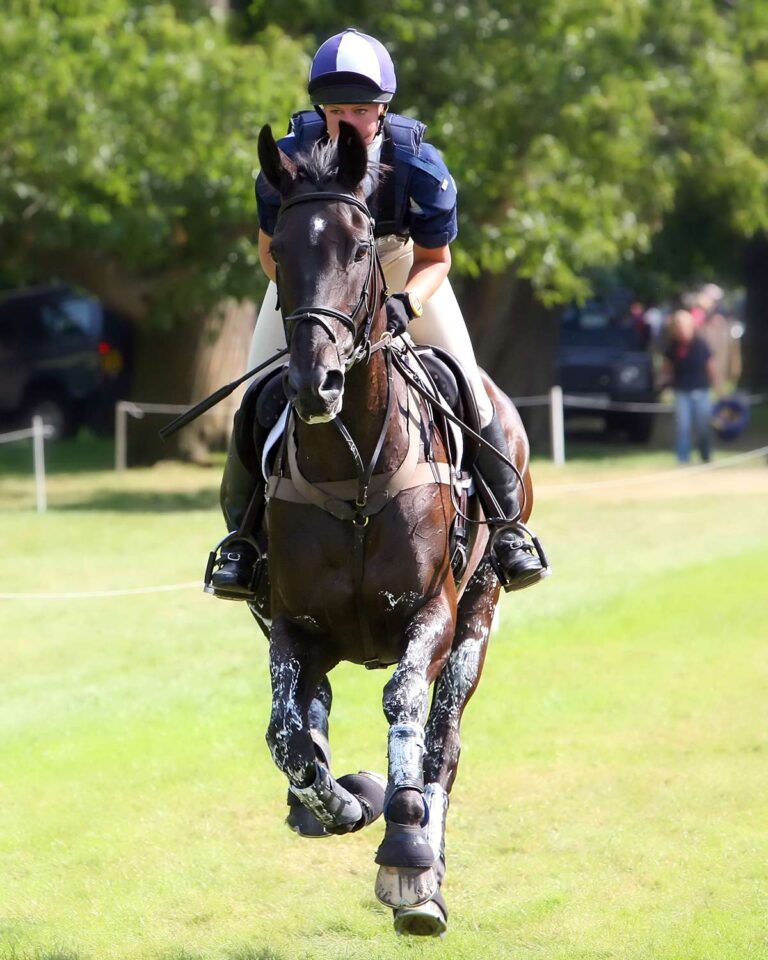
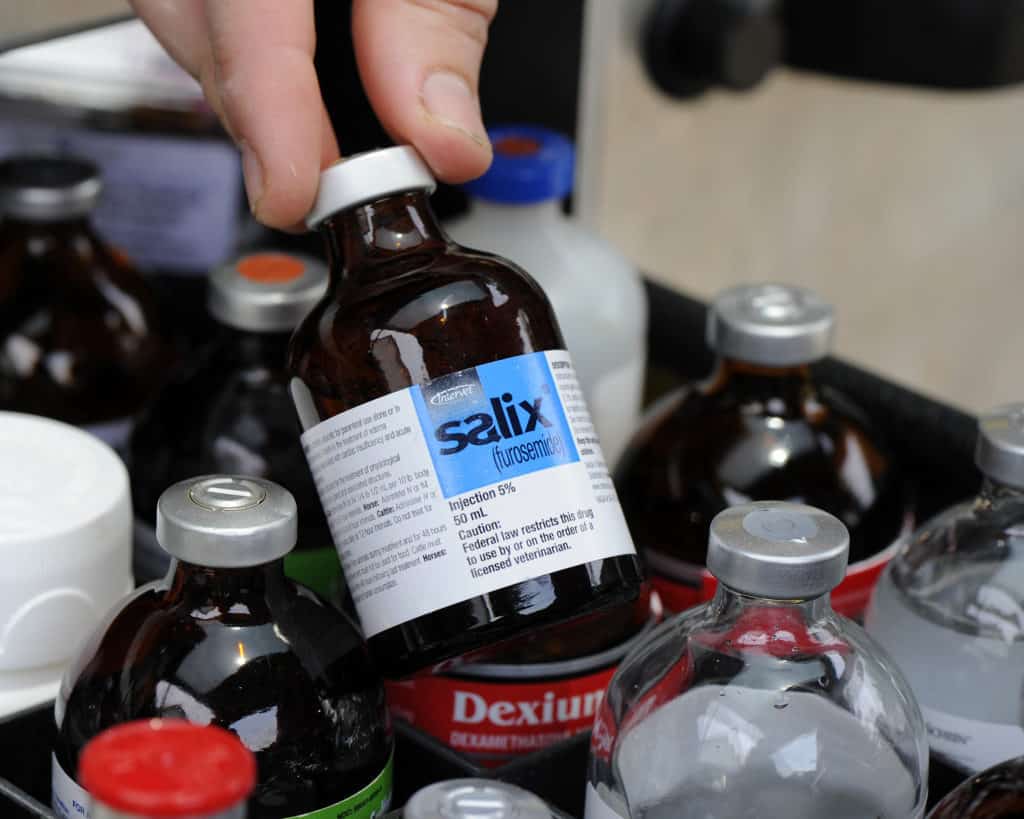
When horses received furosemide four hours before exercise, 93% had a zero EIPH score one hour post-exercise versus 60% when it was given 24 hours before exercise.

When horses received furosemide four hours before exercise, 93% had a zero EIPH score one hour post-exercise versus 60% when it was given 24 hours before exercise.

The Quarter Horse gelding attended cutting events in Las Vegas and Arizona in the month prior to developing clinical signs.

Learn more about nutrition’s role in the development and management of equine endocrine disorders and how you can reduce your horse’s risk of developing a secondary disease.
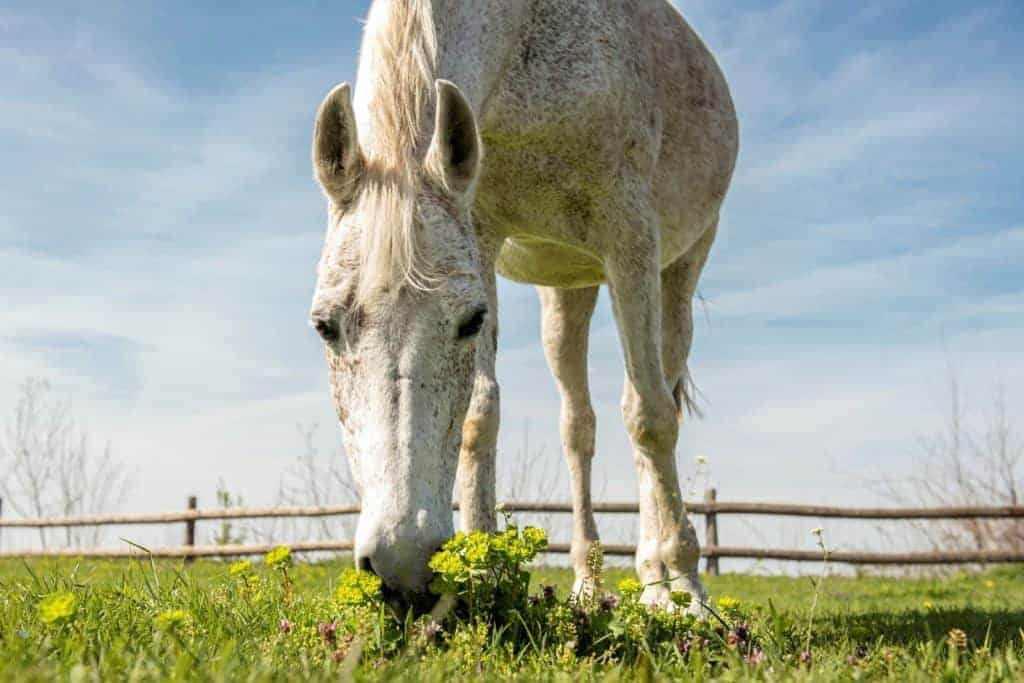
Researchers know diet, breed, high colonic pH levels, and water supply mineral content can impact enterolith formation, but how trace minerals affect the process is less well-understood.

A veterinarian can help determine risk factors in your area, the best time for vaccination, and what is right for each individual animal.

Find out how an owner’s careful management after an injury occurred likely prevented a fatal outcome for a Quarter Horse gelding.

Vets should perform a careful assessment of a mare’s hormonal status to determine whether there’s a definitive, repeatable relationship between it and her undesirable behavior.
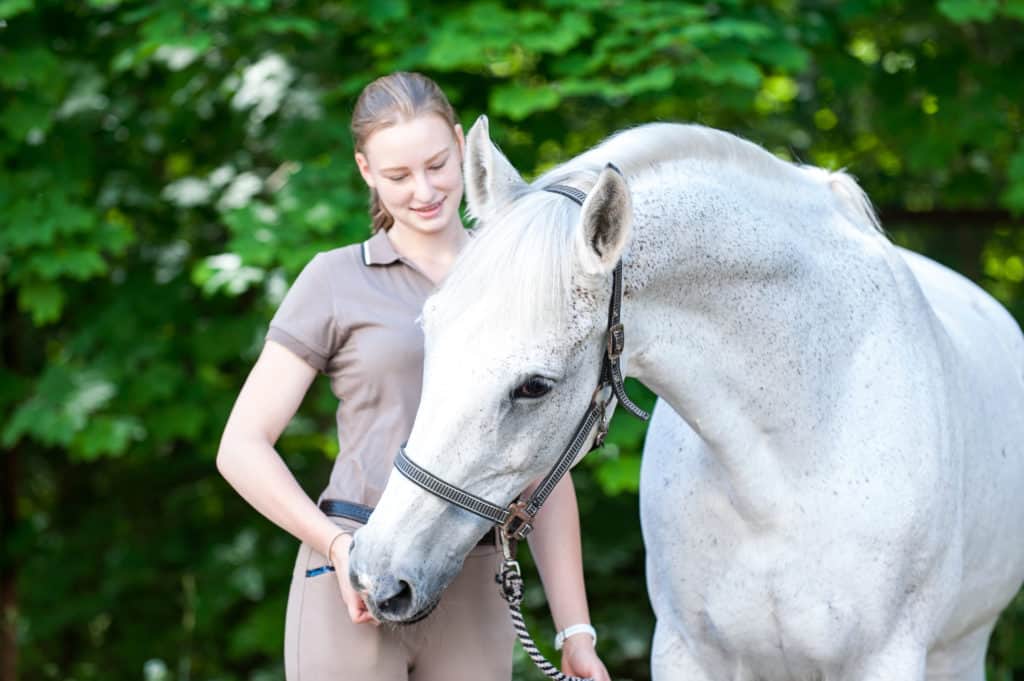
The “alpha” concept of showing dominance when training a horse doesn’t coincide with what equitation science research is revealing, scientists say.

Dr. Jack Easley takes practitioners step-by-step through evaluating and treating senior horse’s teeth.

The prognosis for performance soundness in nonracing horses diagnosed with sagittal groove injury and concurrent osteoarthritis is poor, researchers found.
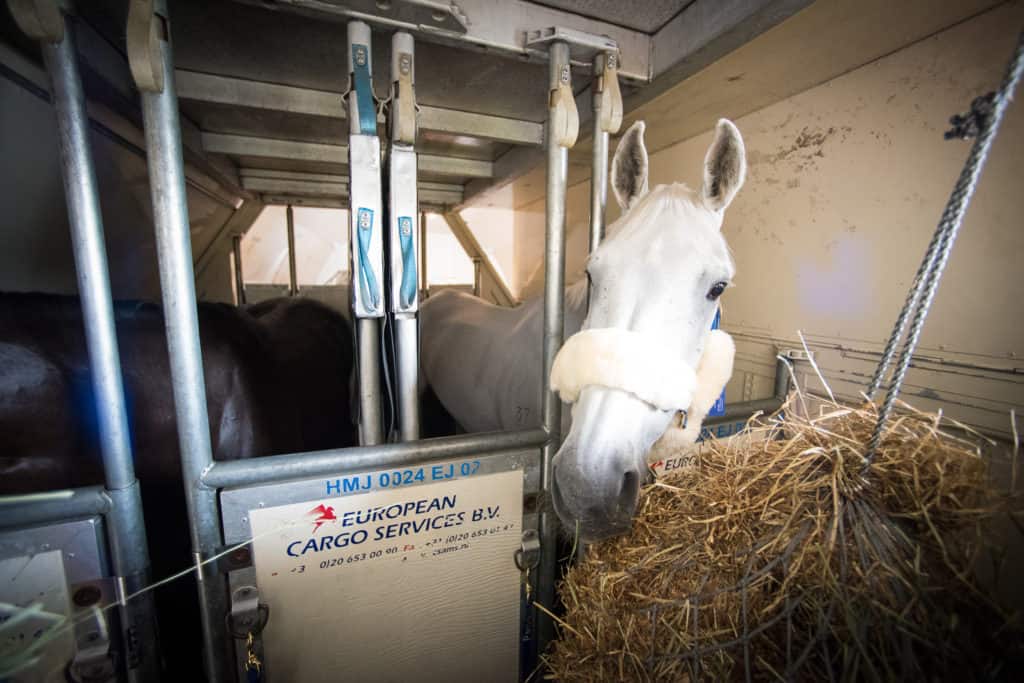
Researchers determined that SAA is a more reliable indicator of inflammation than rectal temperature in traveling horses.

Our nutritionist weighs whether steaming or soaking hay is more effective at reducing NSC levels for horses with insulin resistance.

Researchers are examining the rate of injury and illness in North American 2-year-old Thoroughbreds in training.

Dr. Michelle Linton offers suggestions on how to identify when your mare is ready to foal.
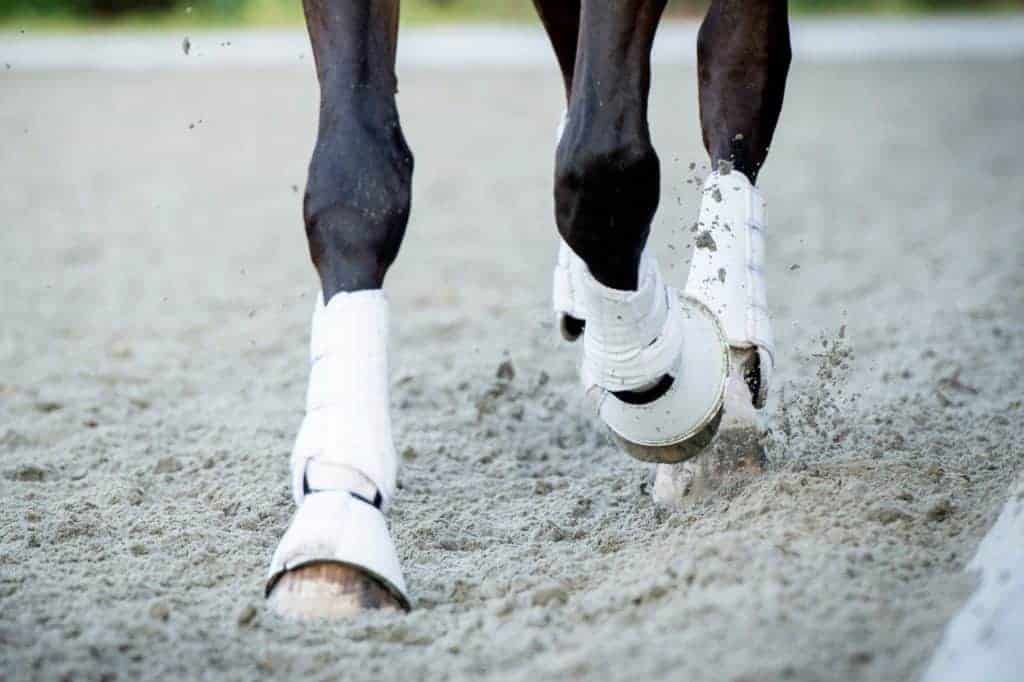
This is the second article in a series looking at how researchers test and maintain equine competition surfaces worldwide.