Tongue Ties Could Cause Stress for Horses
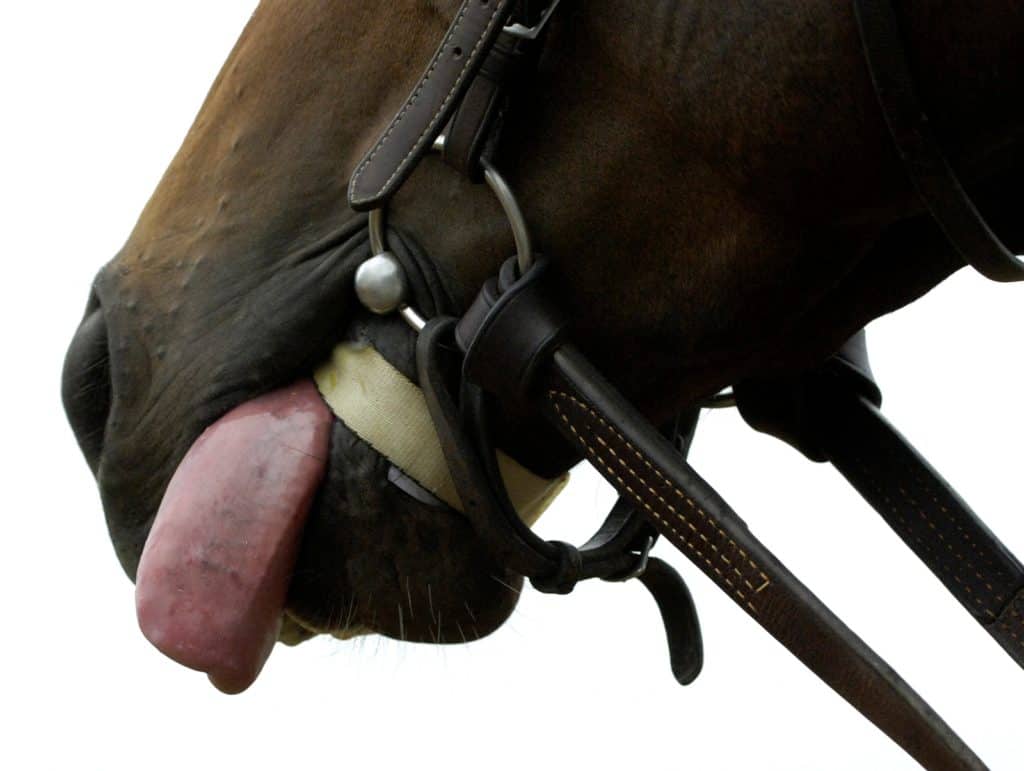
Tongue ties help some racehorses breathe better, but study results suggest they can also cause stress, even in horses that have been tied regularly in the past.

Tongue ties help some racehorses breathe better, but study results suggest they can also cause stress, even in horses that have been tied regularly in the past.

When cases are selected appropriately, the complication rate is very low and the prognosis for a full return to work is very good, one veterinarian says.

The second horse developed a fever and respiratory signs of disease, but has not yet exhibited any neurologic deficits.

The Eastern tent caterpillar eggs will begin hatching soon after spending about nine months as eggs in masses on twigs of wild cherry and related trees.
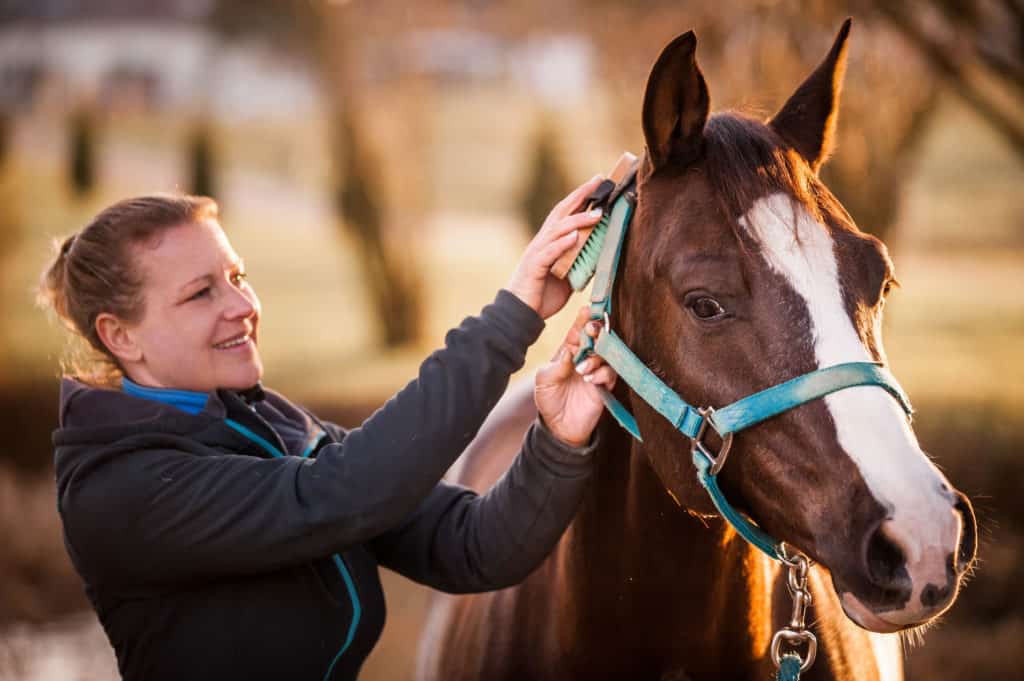
The ability to select Quarter Horse breeding stock for behavior traits might improve equine welfare and human safety, researchers said.

Draft horses, horses from the Midwest, and those used for farming and ranching or breeding are most at-risk of contracting coronavirus, researchers found.

Drs. Vern Dryden and Amanda Adams offer advice for managing EMS horses and selecting supplements.

A ration balancer might offer the best balance of nutrients and protein for your horse during stall rest.

Equine Injury Database statistics revealed a modest increase in 2017 (1.61 per 1,000 starts) compared to 2016 (1.54 per 1,000 starts).

The ACVIM published a new consensus statement on treating, controlling, and preventing strangles in horses.
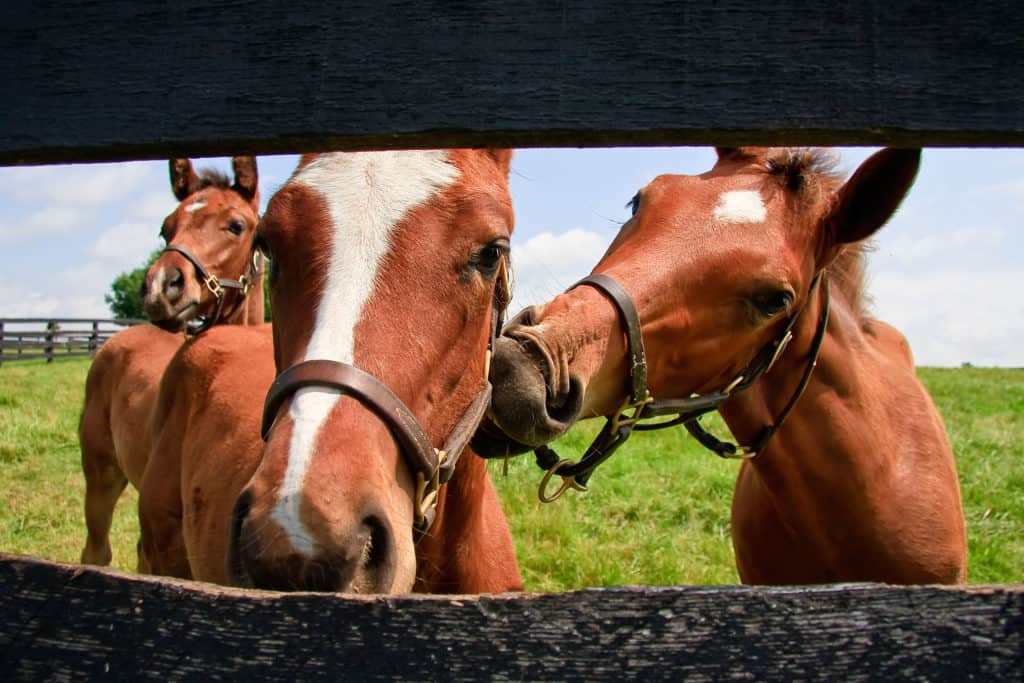
Foals’ initial expressions of their developing personalities are clear signs of the horse’s adult personality–and even learning capacity–to come, researchers found.

Dr. Amanda Adams explains the difference between equine metabolic syndrome and insulin resistance.

Do horses with PPID, EMS, and/or IR have a greater laminitis risk after receiving joint injections? Drs. Vern Dryden and Amanda Adams respond.

While removing mares’ ovaries can be successful in remedying aggressive behavior, other estrous behaviors can persist even following surgery.
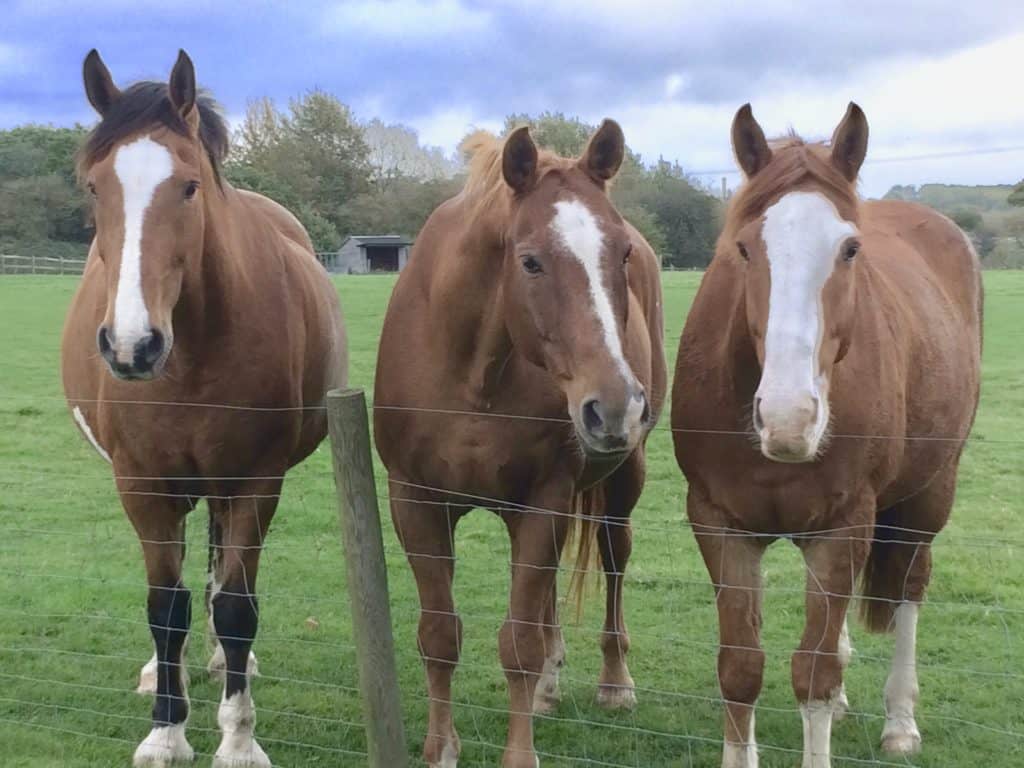
Learn how these “heroes” of the equine veterinary industry step up to save other horses’ lives.
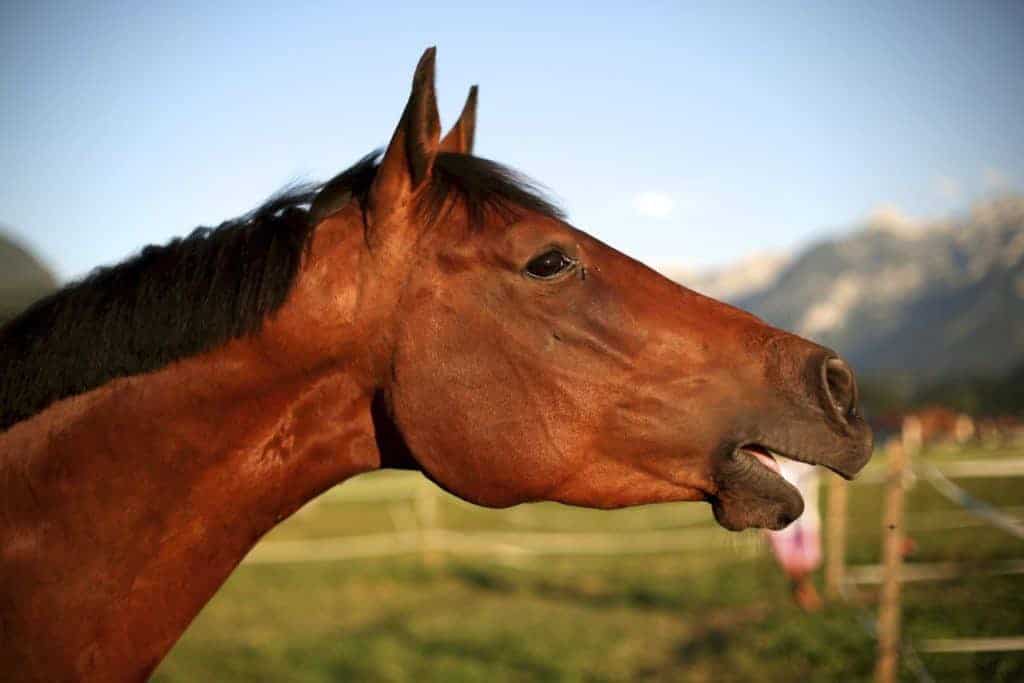
While the horses recognize positive from negative emotions in whinnies, they might not become positively or negatively emotional as a result.