Conditioning Horses on Water Treadmills
Thoroughbreds conditioned on water treadmills increased both their VO2max and speed.

Thoroughbreds conditioned on water treadmills increased both their VO2max and speed.

If surgery requiring general anesthesia must be performed on pregnant mares, the safest time window is Days 40-220 of gestation, researchers concluded.

Whips, spurs, and horse-head-control equipment can be misused by riders and misunderstood by spectators, both of which can have negative outcomes for horses and the industry alike.

Tumors of the eye itself are very rare in horses, but those of the structures around the eye are surprisingly common.

Researchers found that many horses not diagnosed with neck pain had bony changes in the cervical spine.

Download this free fact sheet to learn how to protect your horse from influenza, a highly contagious respiratory disease.
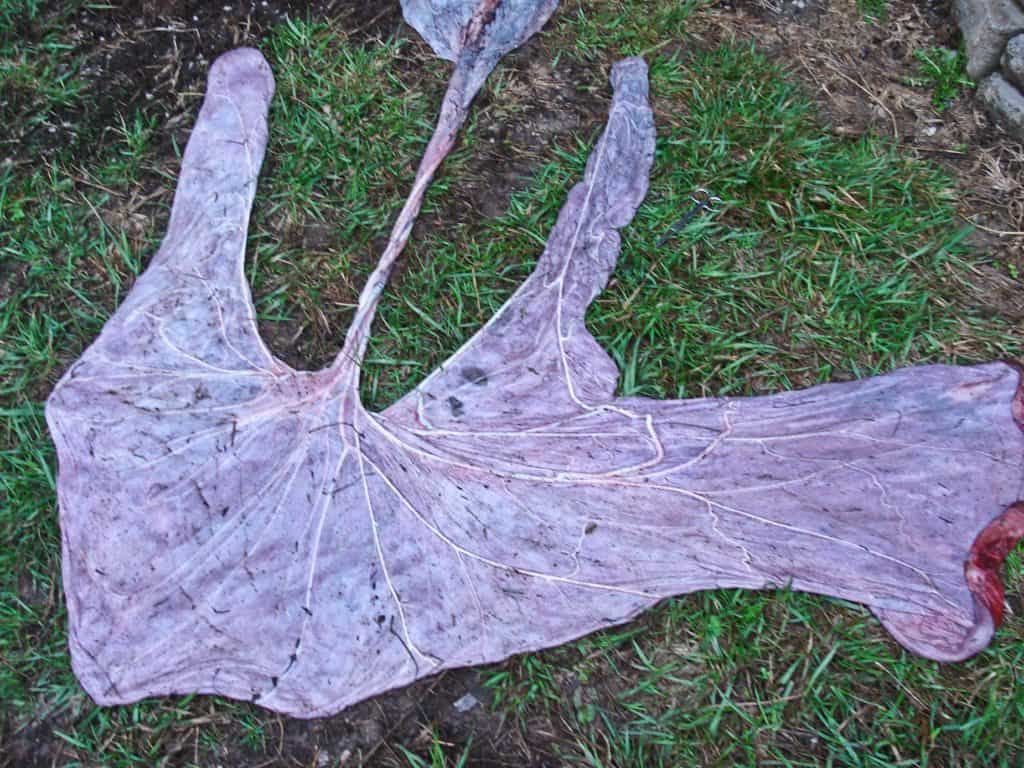
Retained fetal membranes can cause serious problems for broodmares. Here’s what you need to know.

Understanding how pulmonary disease impacts performance can help veterinarians diagnose and treat issues that could be impairing horses’ athleticism.

Our equine nutritionist explains the differences between horse life-stage and feed types.
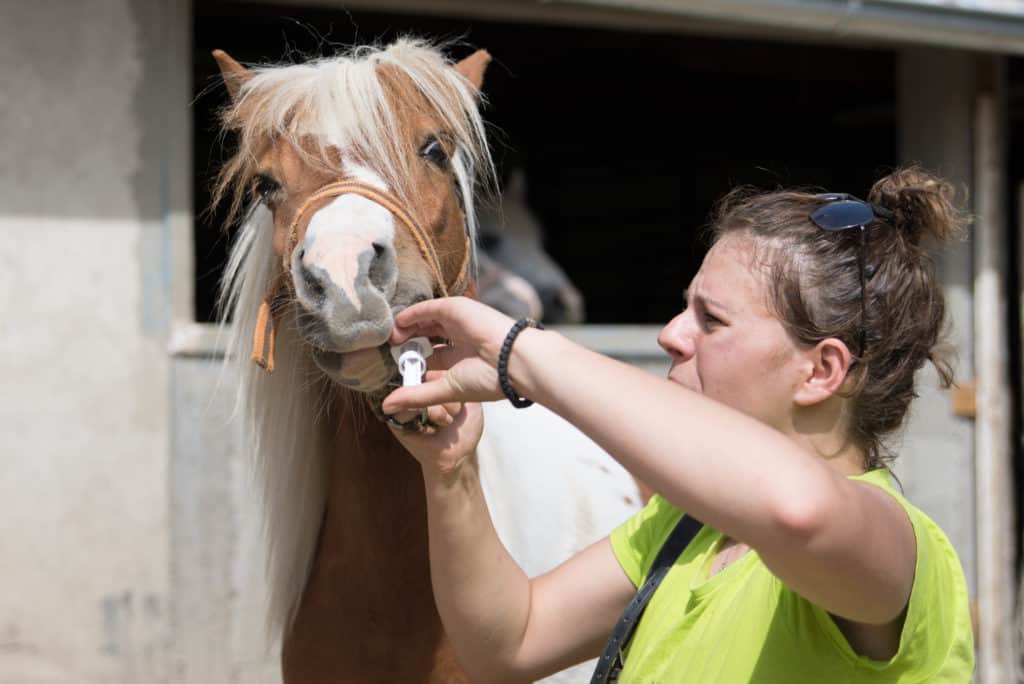
Before horses start grazing on the green grass this spring, check with your veterinarian to ensure your deworming program includes tapeworm control.

Two doses of an “anti-GnRH” vaccine led to full, but reversible, sterility in a group of French study stallions, researchers found.

Proper spring turnout management and monitoring body condition are important steps to keeping your horse healthy.

A horse’s sinus cavities are complex, which makes diagnosing and managing equine sinus diseases challenging for veterinarians.
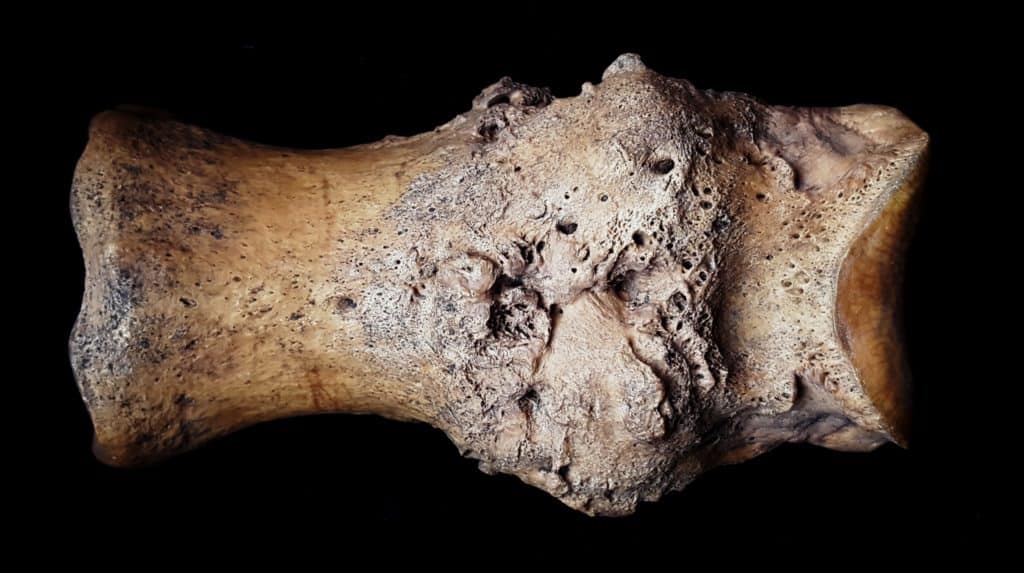
Researchers recently found and studied severe arthritis in an 11th-century horse’s front left pastern joint.

Drs. Peter Morresey and James McLeod share regenerative medicine insights from clinical and research perspectives.

Researchers are working to find other potential race-day therapies that can be used to manage EIPH if proposed legislation banning race-day furosemide use in the U.S. is passed.