Scientists Study Supplement That Could Help IR Horses
Jerusalem artichoke meal showed promise in getting sugars out of healthy horses’ systems quicker than normal, but it hasn’t yet been tested in IR horses.

Jerusalem artichoke meal showed promise in getting sugars out of healthy horses’ systems quicker than normal, but it hasn’t yet been tested in IR horses.

A barrel racing horse developed rapidly progressive signs of EHM (the neuorlogic form of EHV-1) on April 19 and was euthanized the same day.

Take an inside look at the rules and regulations regarding importing horses to the United States solely for competition.

The index case–a 17-year-old Thoroughbred gelding diagnosed with EHM, the neurologic form of EHV-1–remains quarantined and isolated offsite and continues to show clinical improvements.
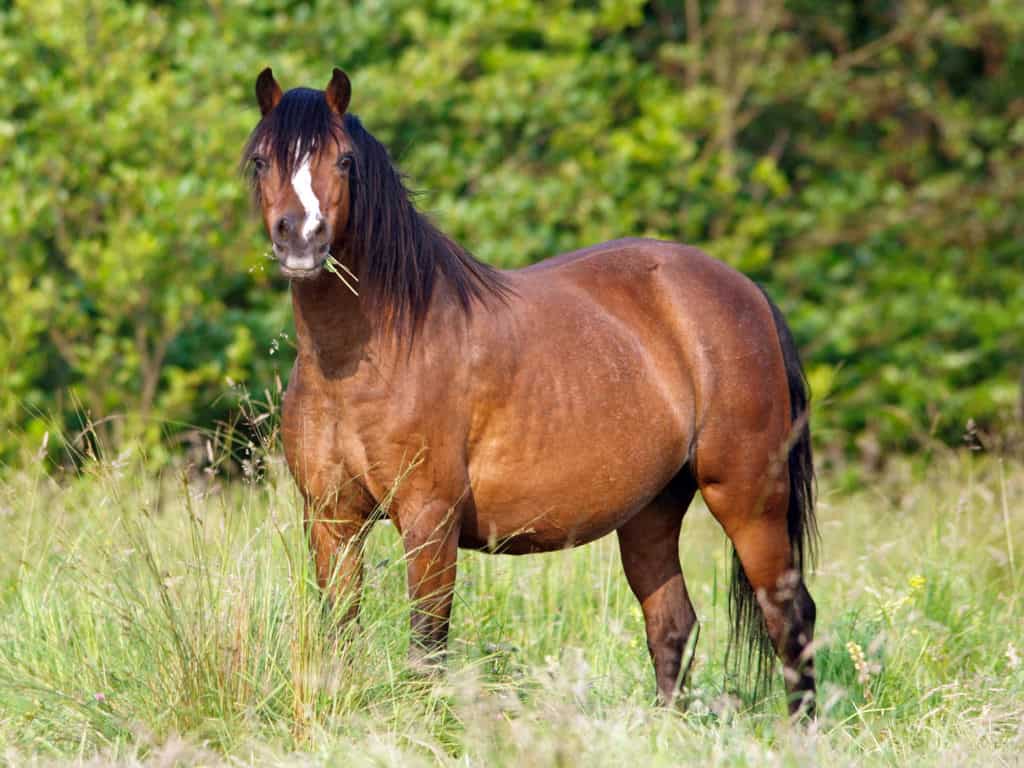
Researchers are working to help owners find ways to help their horses lose weight no matter their circumstances–from boarding facility set up issues to unsound horses that can’t be exercised.

Veterinary treatments for horses can be costly, so researchers evaluated the value an owner places on a horse’s daily use and how much owners are willingness to pay for various therapeutics.
The mule exhibited mild respiratory clinical signs and ultimately died due to pneumonia complications.

The new technique provides a stronger anchor point on the paralyzed laryngeal cartilage and performs better than current surgical practices for treating roaring in horses.

Mosquito season has already arrived in some parts of Nevada and, with heavy rain and snowfall earlier in the year, mosquito habitats and breeding sites near standing water are prevalent.

Researchers were surprised that, given the frustration owners reported in trying to manage from insect bite hypersensitivity, veterinarians were not consulted more often or earlier in the course of the problem.
The affected horse from Weld County is undergoing veterinary treatment and recovering.
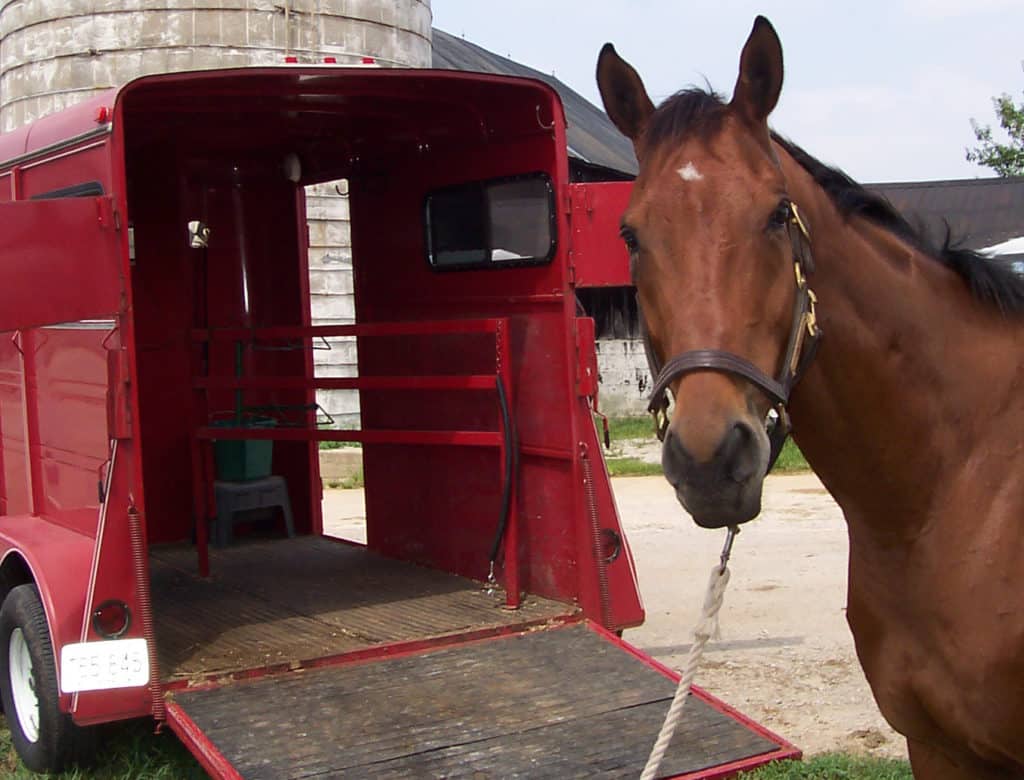
A reader asks for suggestions for teaching or encouraging her mare to pee before getting in the trailer, and if it’s possible to break the mare’s trailer-peeing habit. Read Dr. Sue McDonnell’s answer!

Researchers said the data they collected will help them estimate how effective training and conditioning programs are in preparing three-day event horses for competition.

Funtional electrical stimulation, or FES, might help reduce back pain in horses with asymmetric multifidi muscles, researchers found.

Most bloodworm-associated colic patients did not exhibit severe colic signs, which could make this potentially deadly condition difficult to diagnose, researchers found.

A Texas veterinarian recalls a real-life equine rabies fatality and what he learned from the case.