Newborn Foals: What to Watch For
Be familiar with the most common problems that can happen within 24 hours of foaling.

Be familiar with the most common problems that can happen within 24 hours of foaling.

Colic is the No. 1 killer of horses. Learn how to spot the signs and give your horse the greatest chance at survival.

Through good research and communication, equitation science can continue to evolve in a positive manner with the goal of improving equine welfare and horse and rider interactions.
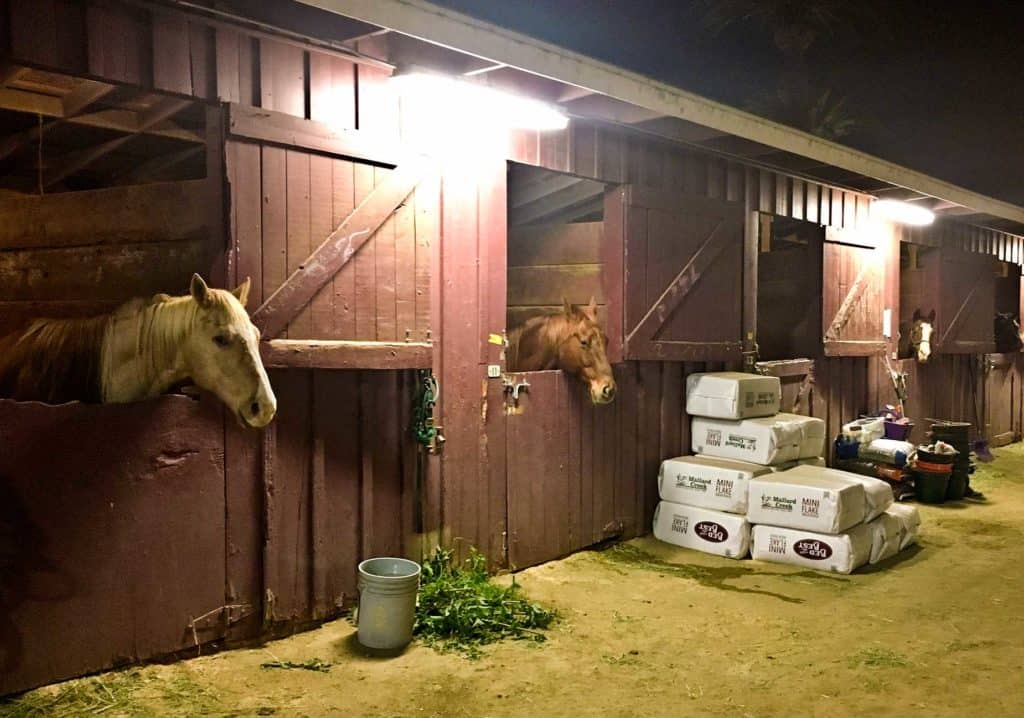
How will the horses that survived the San Luis Rey Downs Training Center fire respond to moving back to the facility? An equine behavior expert shares her insight.

There’s been very little scientific study into sudden death in sport horses, but researchers recently reviewed a number of incidents with the ultimate goal of reducing the number of fatalities that occur.

Scientists hope an estimation of the forces applied to the ligaments and tendons can be used to test the soft-tissue structures’ strain when the limb is faced with variable footing and ground reaction forces.

Vaccinating mares against the polysaccharide poly-N-acetyl glucosamine appears to effectively protect foals against R. equi pneumonia, researchers found.

Can you answer “yes” to the question, “Have we done due diligence with developing a functional all-hazards disaster plan to protect us and the animals that make up such a significant part of our lives?”
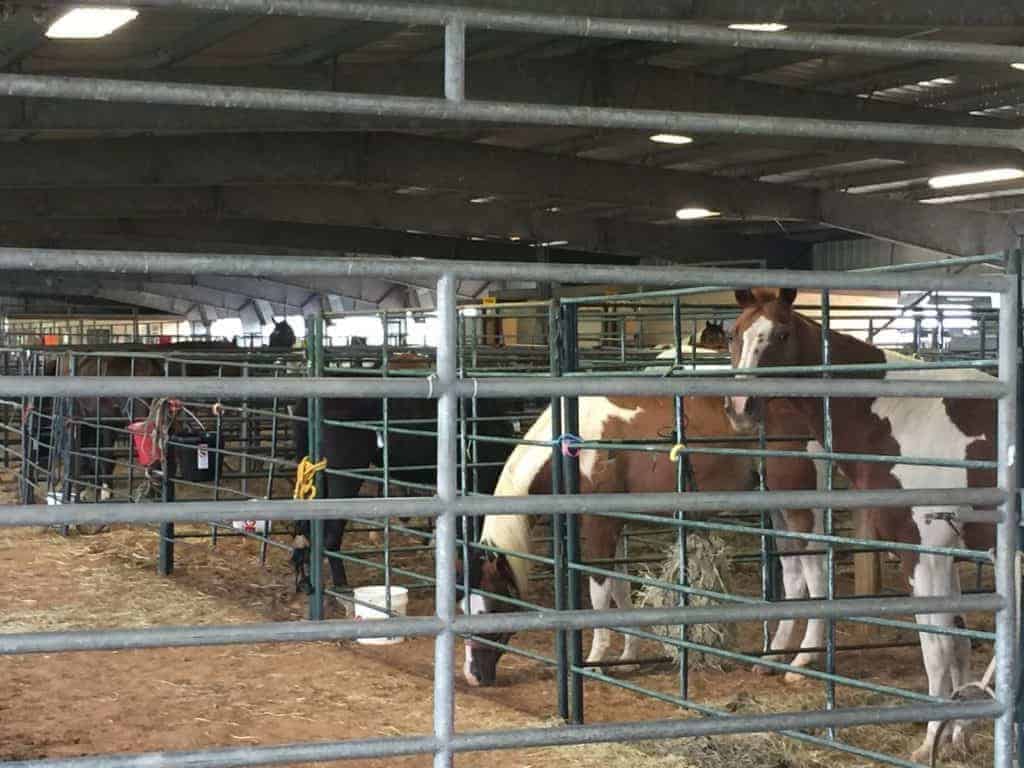
Learn how emergency responders helped the 88,000 horses, donkeys, and mules residing in the 41 Texas counties impacted by Hurricane Harvey.

Special maintenance and nutrition can help your horse get back to (and stay in) good health after a colic episode.
Officials confirmed cases of equine influenza, EHV, equine infectious anemia, and other equine infectious disease outbreaks.
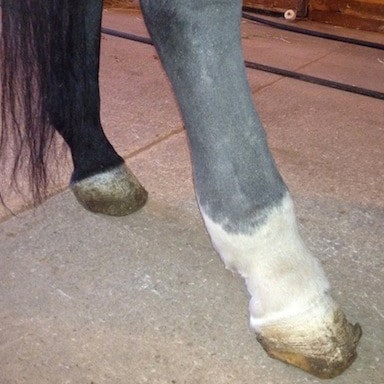
If left untreated, cutaneous lymphangitis can cause permanent leg disfigurement. Here’s what to know about this condition.

The ultimate goal of any post-mortem exam program is to mitigate racehorse injury risk and, in turn, that of the exercise riders and jockeys involved.

Meconium impactions are the most common cause of intestinal obstruction and one of the most prevalent health issues overall in neonatal foals.

Vaccines against WNV and EEE are highly effective in minimizing disease occurrence if given appropriately, Virginia’s state veterinarian said.
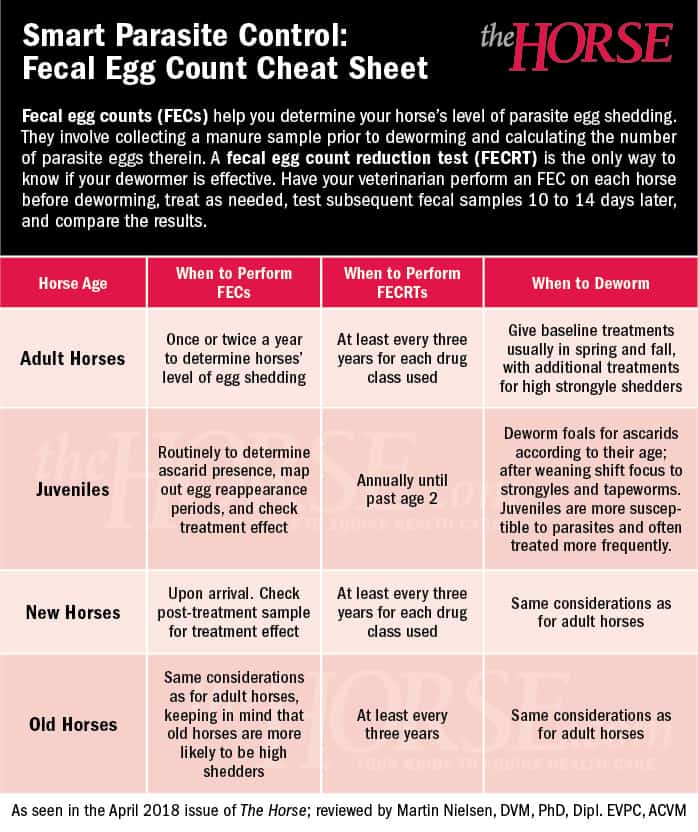
Use this cheat sheet to help determine when to perform fecal egg counts, fecal egg count reduction tests, and when to deworm horses of various age groups.