EHV-1 has Horse Owners on High Alert
The Minnesota Board of Animal Health offers equine biosecurity tips for owners traveling with their horses.

The Minnesota Board of Animal Health offers equine biosecurity tips for owners traveling with their horses.

The horse diagnosed with EHM attended high school rodeos in Laramie on April 7 and 8 and Rock Springs on April 14 and 15.
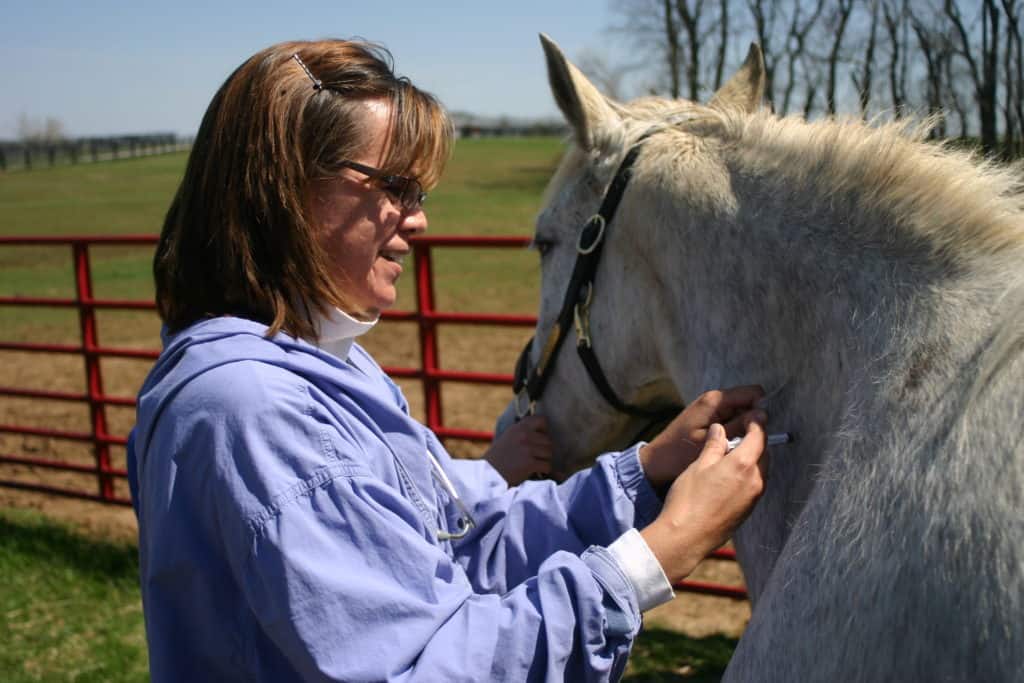
Since its inception, the Unwanted Horse Veterinary Relief Campaign (UHVRC) has delivered more than 28,000 doses of core vaccines.
Colorado fire authorities are probing a series of suspicious fires, including one that killed a half-dozen horses.

An ideal conditioning and racing program allows racehorses to perform at their peak, remain sound through their racing careers, and be ready to commence a second career in another discipline.

“Optimized” grooming led to as many as 177 times more positive behaviors on average per horse per 10-minute grooming session than standard grooming, researchers found.

State animal health officials are encouraging horse owners to have their animals vaccinated against mosquito-borne diseases–including Eastern equine encephalomyelitis and West Nile virus–and rabies.
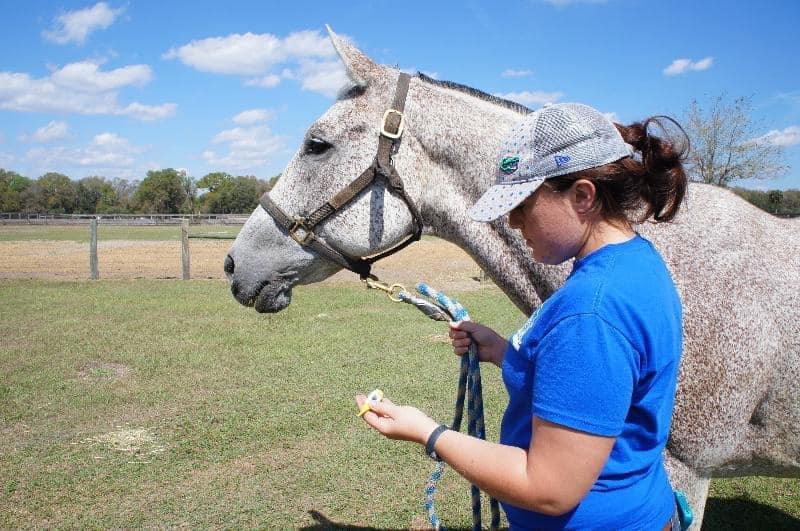
Two mares residing at the quarantined California facility have been diagnosed with EHM, the neurologic form of EHV-1. Seven and three horses have now been diagnosed with EHV-1 and EHM, respectively.
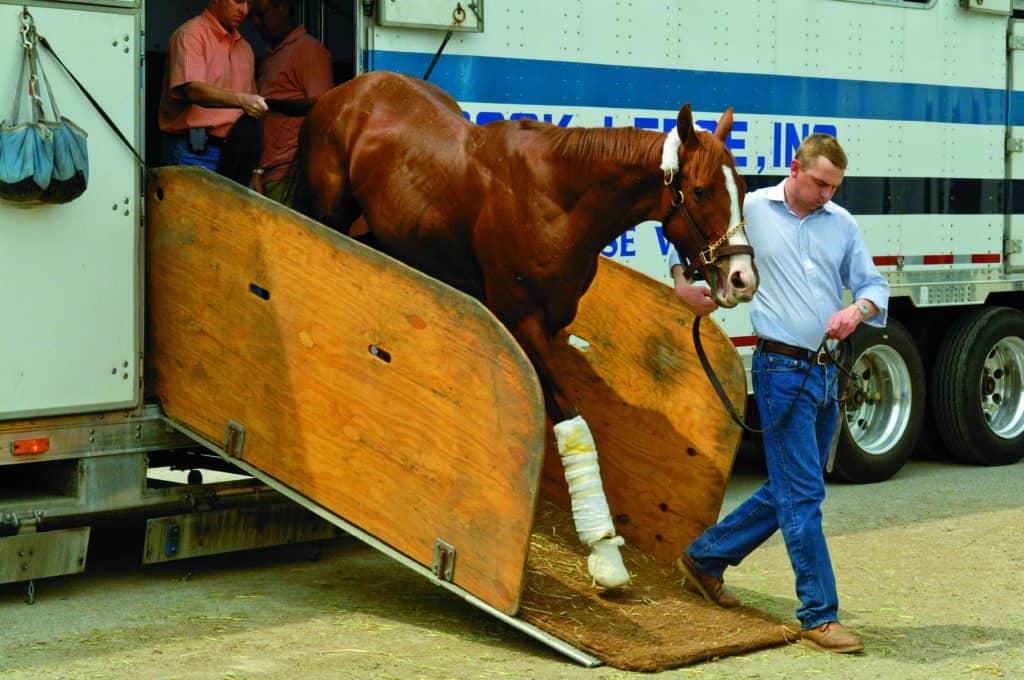
A forage-only diet and transported before exercise could positively impact horses’ exercise performance, researchers found.

Veterinarians have tools at their disposal, ranging from imaging to sample analysis, that can help pinpoint the cause of respiratory problems in sport horses.

Here’s a non-toxic insect control approach that can work for anyone: Encourage insect-eating birds to move into your yards, pasture, and barn areas.
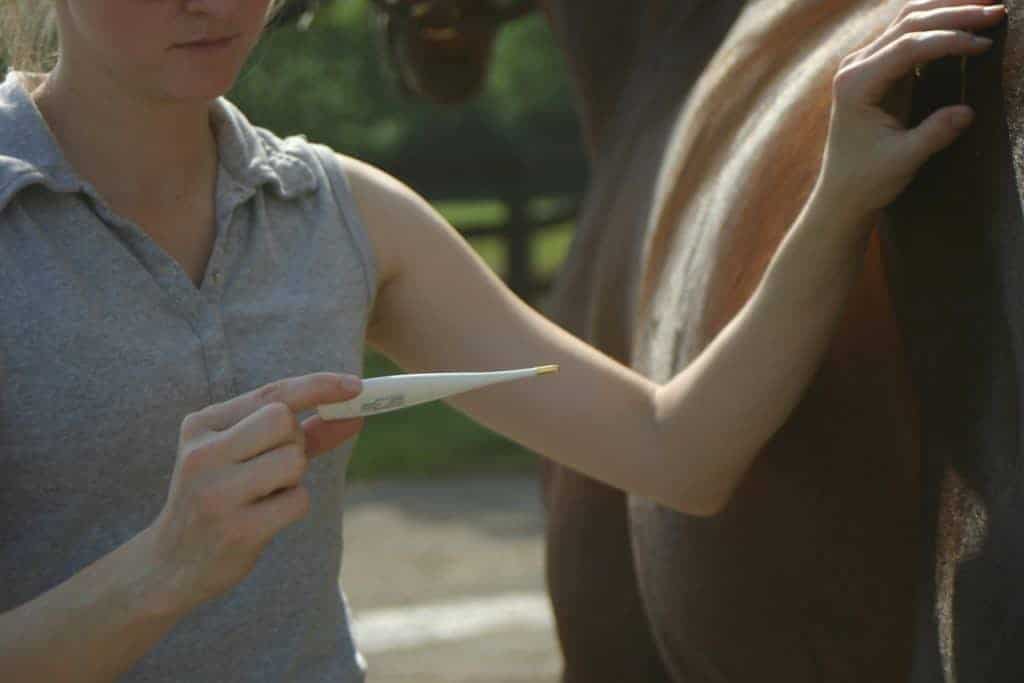
The horse was euthanized due to a suspected case of rabies but was later confirmed positive for equine herpesvirus myeloencephalopathy (EHM), the neurologic form of EHV-1.
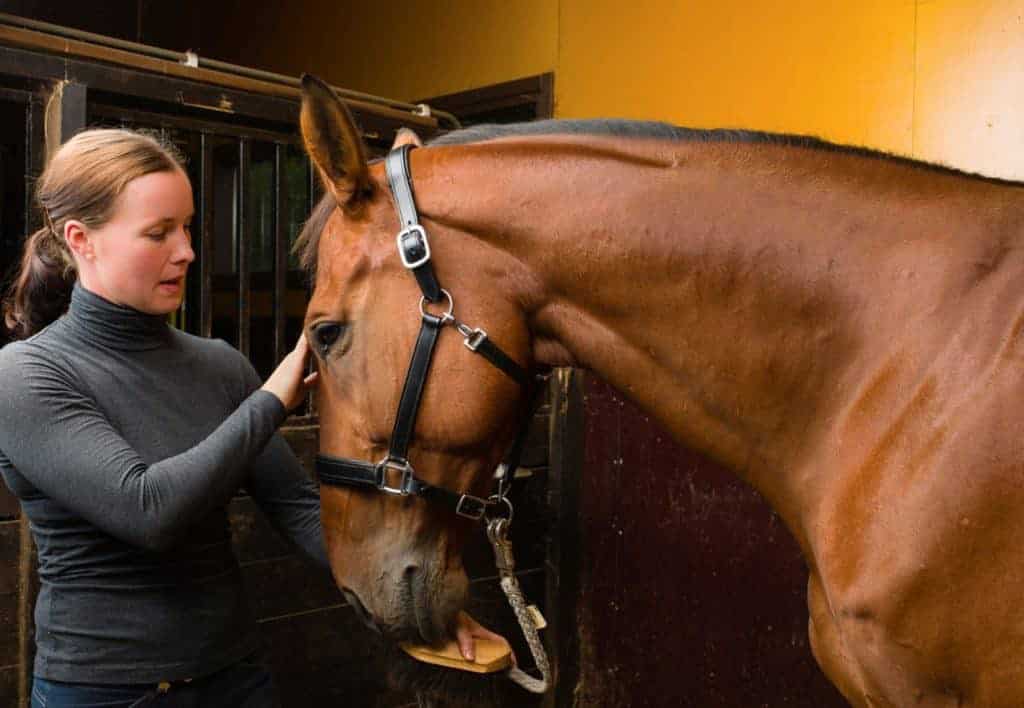
To make a sustainable difference to horse welfare, owners must apply the findings of research into human behavior change, one researcher says.
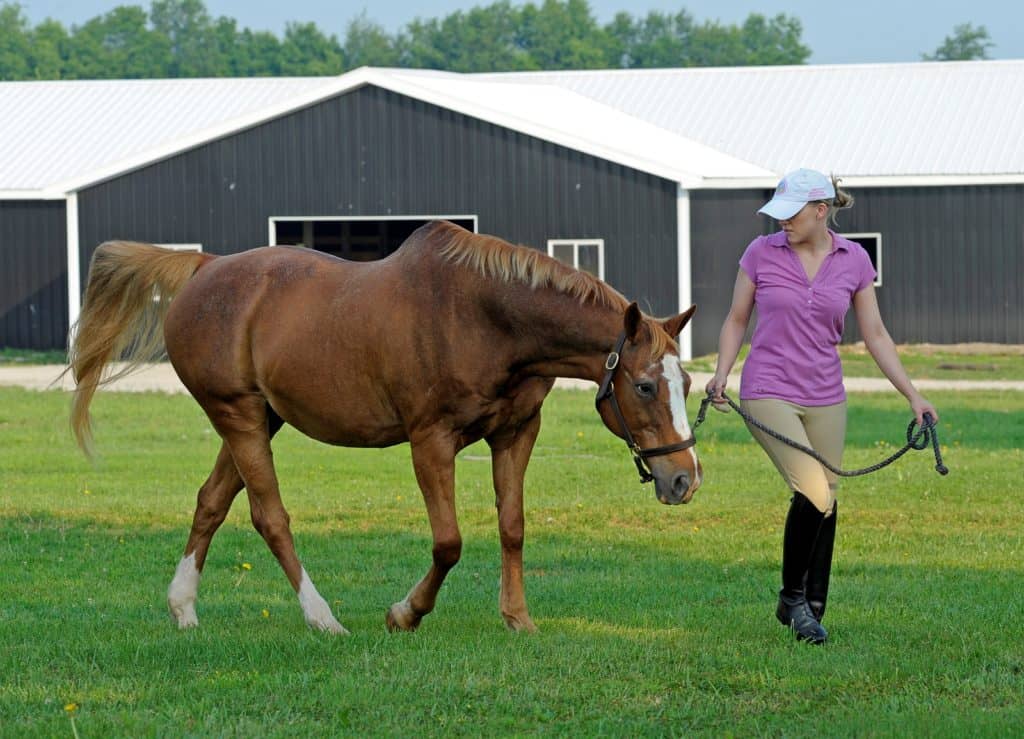
Colic often needs immediate veterinary intervention. Dr. Louise Southwood offers advice for rural horse owners who live far away from their veterinarians.

Most EIA testing is done on a voluntary basis–owners aren’t necessarily required to test every horse at set intervals–making it very difficult to know the disease’s true prevalence, one researcher says.

Drs. Anthony Blikslager and Louise Southwood describe the reasons why older horses are at risk for colic.