UK Graduate Student Spotlight: Blaire Fleming
Fleming is studying carrier proteins in circulation in horses’ bodies that have the potential to be used as biomarkers.

Fleming is studying carrier proteins in circulation in horses’ bodies that have the potential to be used as biomarkers.

The updated biosecurity guidelines are designed to help minimize the occurrence and mitigate the spread of potential disease outbreaks.

Seasoned sport horses often need a little extra TLC to continue performing well into middle age.

Do you have a foal due during the cold months? Dr. Michelle Linton offers tips on how to prepare.
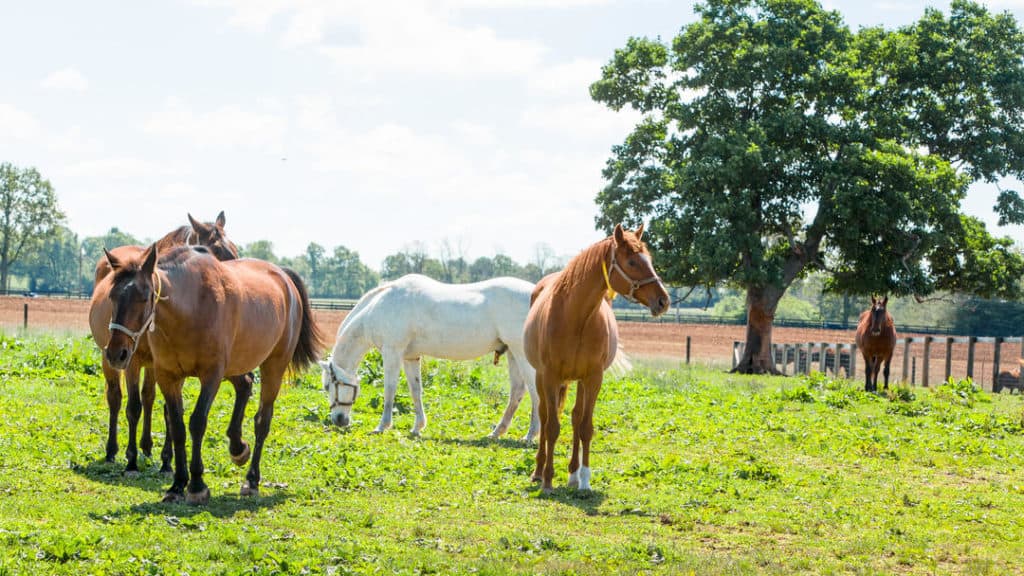
Dr. Amanda Adams is seeking donations of horses with PPID for her research at the University of Kentucky.

Here are a few ways to make feeding time more efficient without sacrificing your horse’s dietary balance.

A look at racing ethics could help researchers and industry members acknowledge rightful concerns from a well-meaning public, help resolve misconceptions, and contribute to better equine welfare.
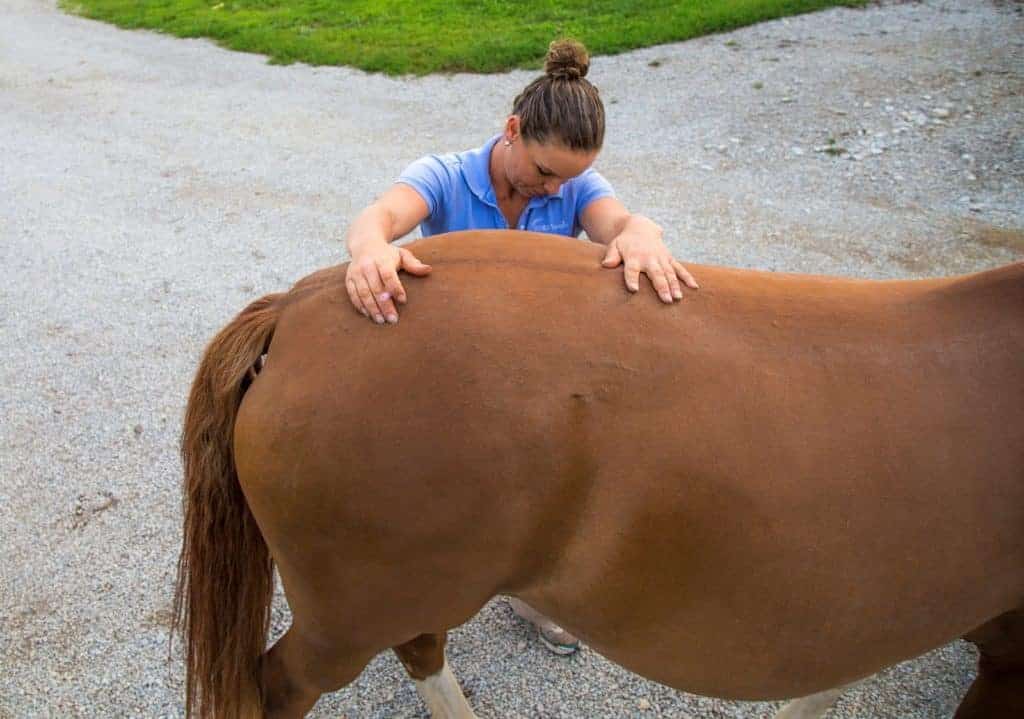
Instead of causing foot pain directly, rear hoof imbalances seem to cause more problems higher up the leg—to the hocks, stifles, glutes, and sacroiliac joint, one vet says.


Ultrasound is a useful screening tool for assessing some deep digital flexor tendon lesions, but it could cause veterinarians to underestimate navicular bursa and collateral sesamoidean ligament lesions.

A good wipe-down with sanitizing agent might work well on wood, concrete, and plastic, but nylon equipment is harder to properly disinfect, researchers found.

Applying learning theory principles in equine veterinary practice can improve safety and horse welfare, as well as client satisfaction. Here’s what to know.
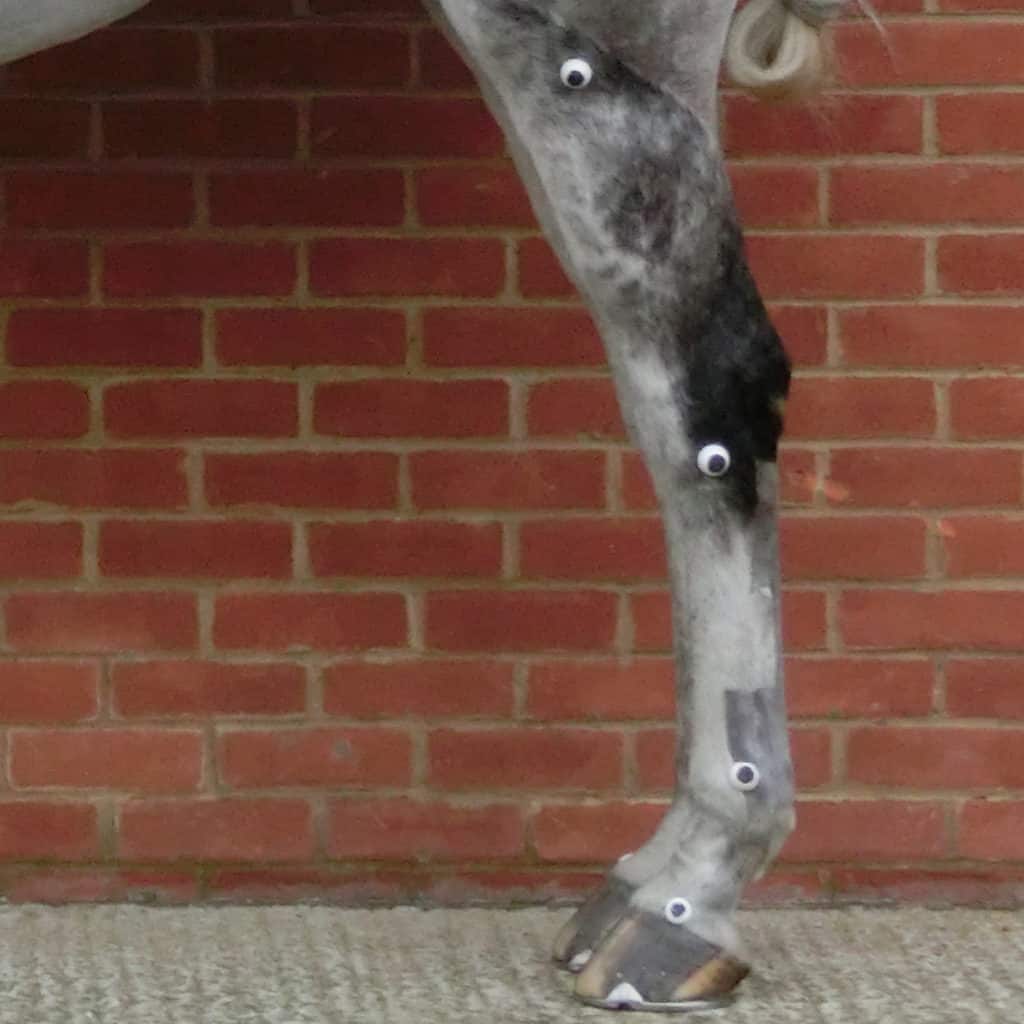
For every degree of increase in hock angle, researchers found a 12% greater chance of a horse having proximal suspensory desmopathy (PSD).

Presenters will speak on pre-race examinations, on-track protocols, test barn best practices, technology resources, biosecurity, and more.

A recent study has revealed that aspirin’s effects on horses seem less pronounced than in humans. In fact, some horses might be resistant to it.

The protein-based vaccine protected more than 80% of horses from contracting strangles in a recent study.