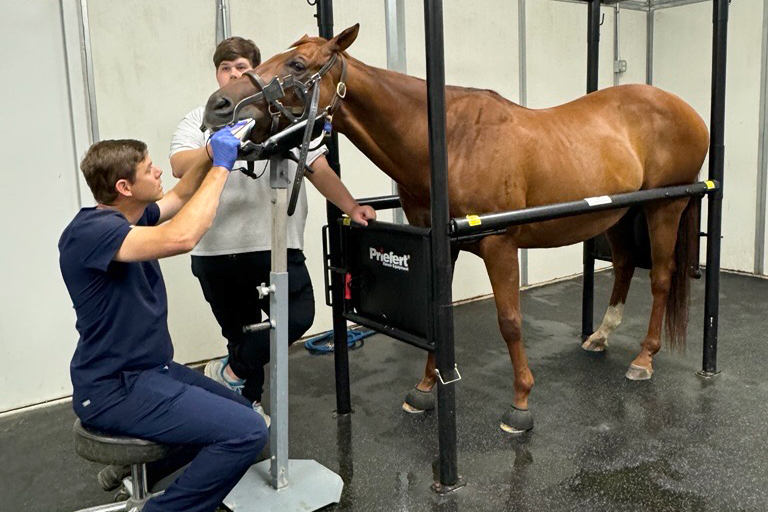
Equine Innovators: Sedation Tools for Safer, Better Horse Care
Dr. Lori Bidwell shares how horse sedation, including Dormosedan Gel, supports safe handling, standing procedures, and stress-free care for horses.

Dr. Lori Bidwell shares how horse sedation, including Dormosedan Gel, supports safe handling, standing procedures, and stress-free care for horses.

Learn about the common causes of equine hind-limb lameness and how veterinarians diagnose and treat them.

Read about how to help your horse stay cool on the trailer this summer and what to do if he overheats.

Read top tips and tricks for medicating your horse with everything from antibiotics and anti-inflammatory tablets to anti-ulcer pastes and deworming medications.
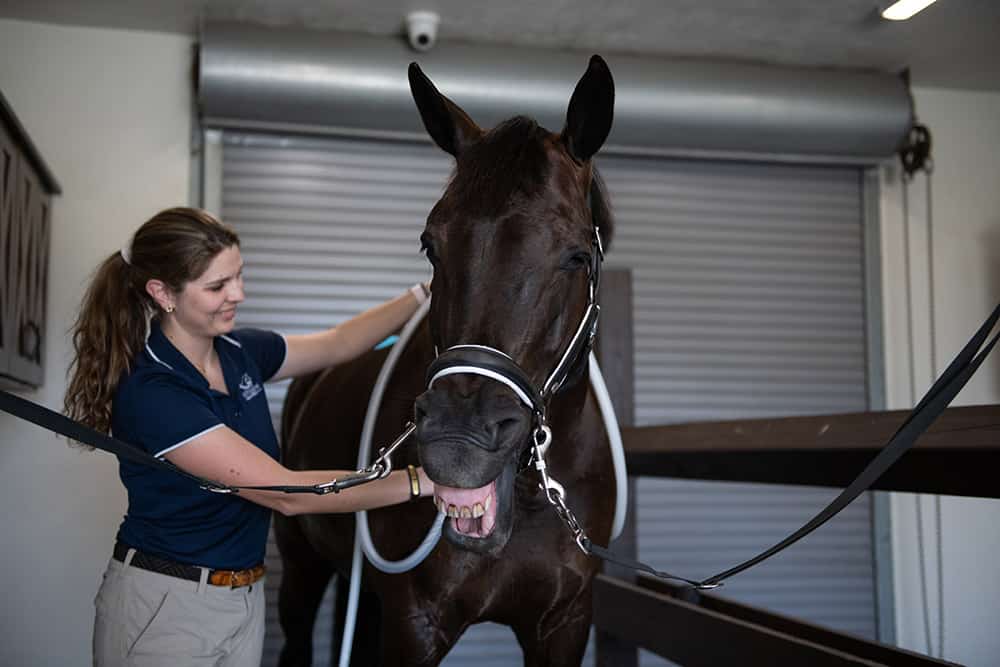
Researchers showed pulsed electromagnetic field therapy (PEMF) might temporarily reduce lameness and inflammation associated with equine osteoarthritis.

My OTTB recently recovered from a bowed tendon injury. What can I do to help him continue to stay sound?

Researchers linked specific behaviors to gastric disease in horses, which could help owners spot signs early and seek veterinary diagnosis and treatment.
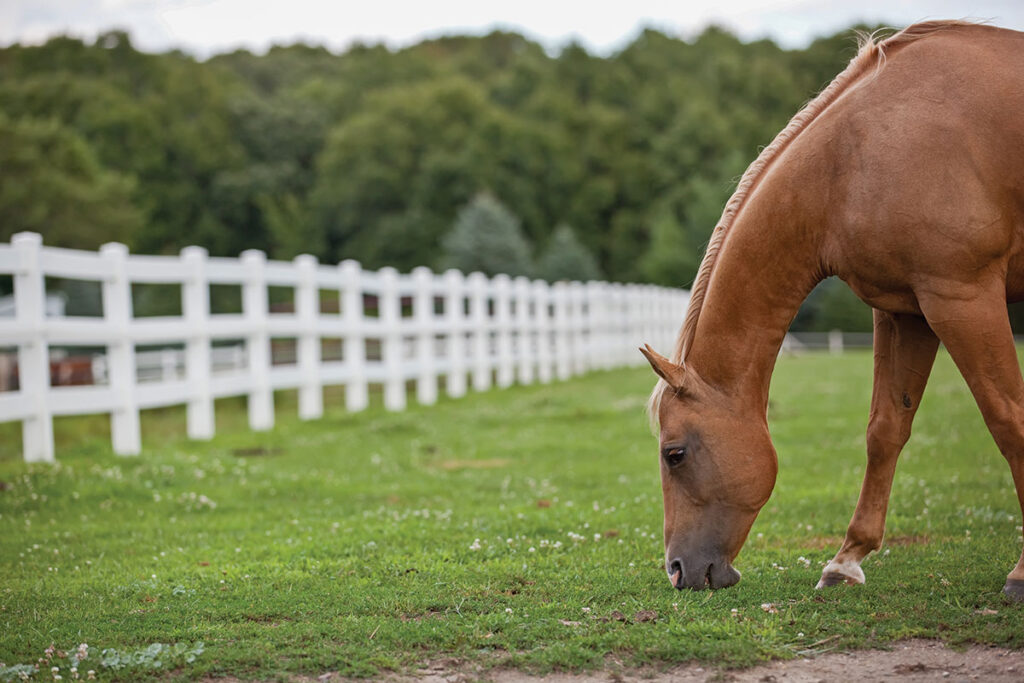
Learn the latest on keeping internal and external equine parasites at bay.
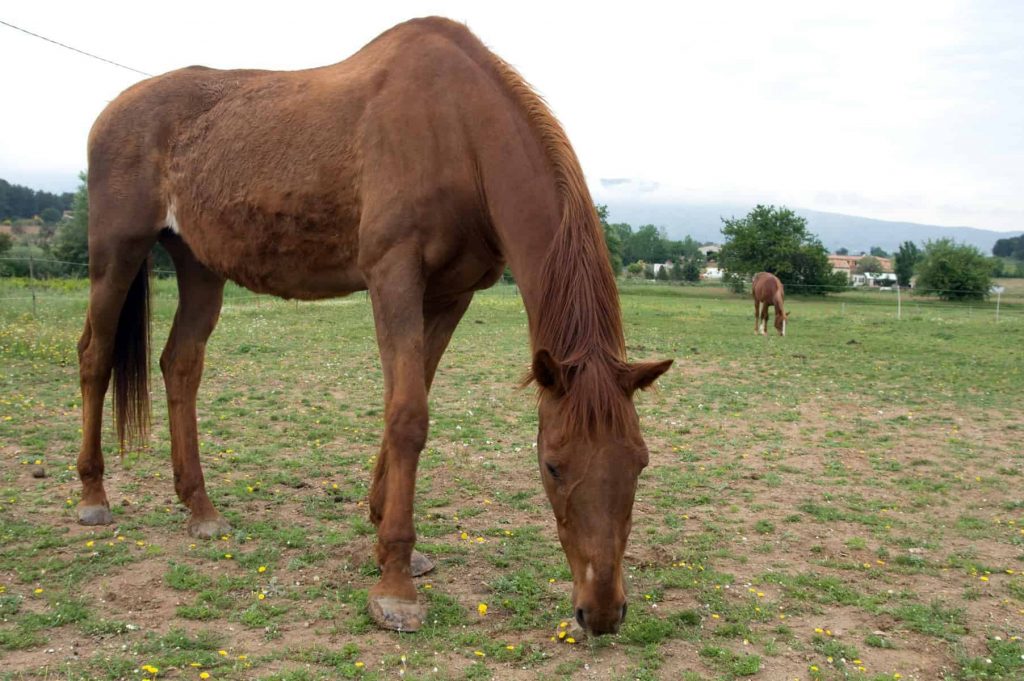
Prevent weight loss in horses by testing hay, monitoring calorie intake, and adding fat or fiber to maintain body condition through seasonal forage changes.

Dr. Lindsey Boone describes myths, mechanisms, and methods of regenerative therapies for equine musculoskeletal injuries in this presentation. Sponsored by Dechra.

Nutritional strategies targeting oxidative stress and inflammation can help maintain cellular balance and support a horse’s long-term health and performance.

Is it harmful to spray cold water on a hot horse? Should you scrape your horse after hosing him? Two experts weigh in.

Find out if you can feed newly harvested hay or if you should wait and let it “sweat” or “cure.”

Horses still face the threat of West Nile virus. Dr. Sally DeNotta shares how it spreads, what signs to watch for, and why vaccination and mosquito control matter every year.

Listen to this episode of Ask TheHorse to learn how to prepare for equine health emergencies logistically and financially. Sponsored by CareCredit.

The diagnostic tests veterinarians use are evolving to improve how we manage infectious diseases in horses.