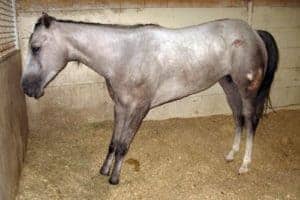
HERDA: 20 Years Later
Greater awareness and ongoing research mean fewer foals are being born with this genetic skin condition.

Greater awareness and ongoing research mean fewer foals are being born with this genetic skin condition.

In any discipline cross-training is the key to keeping a horse’s neck and back healthy, says Dr. Kevin Haussler of Colorado State University.
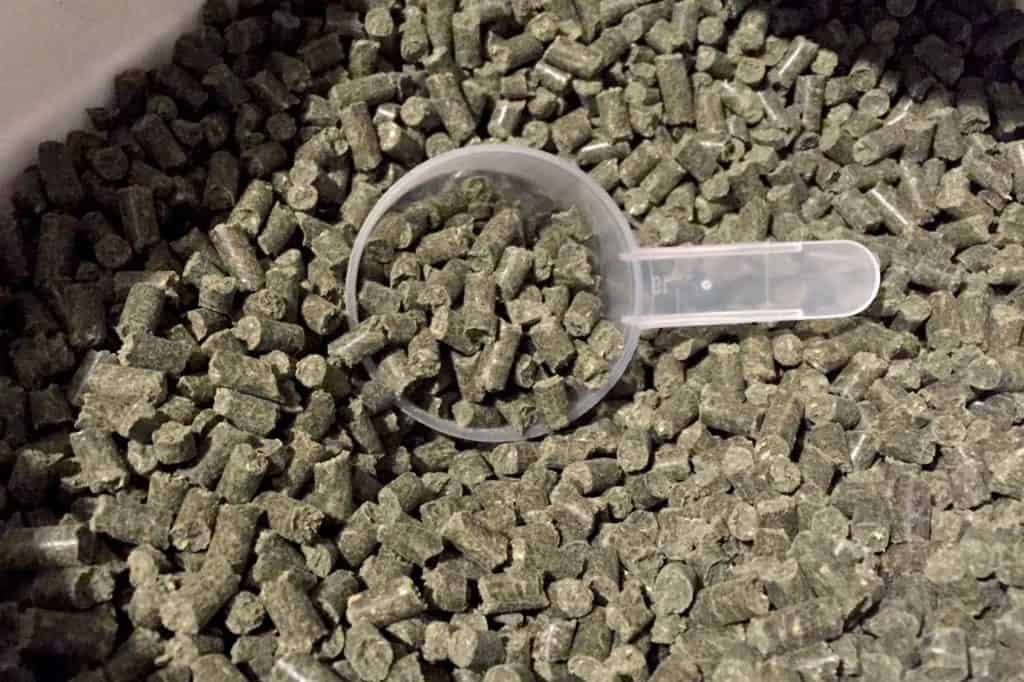
Use SMART supplementation strategies and the ACCLAIM system to find a quality product.

Scientists are studying the safety, efficacy, mechanisms of action, and pharmacokinetics of equine nutritional supplements.

Get tips on how to manage equine leg lacerations that require bandaging.

Follow these steps to safely and successfully add a new horse to an existing herd.

During the 2024 AAEP Kester News Hour experts shared new research on equine genetics, atrial fibrillation detection, neck pain, and updated EHV guidelines.

As temperatures rise, tick activity increases—putting horses at risk. Learn how to identify tick-borne threats and implement effective prevention strategies.

Equine metabolic syndrome (EMS) is a metabolic disorder in horses that can cause obesity, insulin dysregulation, and laminitis. Sponsored by Equithrive.

Does your old horse need additional vitamin supplementation in his later years? An equine nutritionist shares how to ensure your senior horse gets the nutrition he needs.

Researchers are exploring CBD’s potential to reduce joint pain in horses through a multiphase study on its efficacy.

The latest research-based recommendations on managing equine metabolic syndrome and insulin dysregulation. Sponsored by Equithrive.

Abruptly putting a horse on pasture can lead to colic or laminitis. Here’s advice to help avoid health problems.

Alternative joint injections to corticosteroids can keep horses comfortable and offer a chance at healing rather than simply masking pain.

Veterinarians administer risk-based vaccines based on a horse’s potential to contract certain diseases.

Respiratory viruses affect more horses than you might think, raising important questions for veterinarians and owners about diagnosis, management, and performance.