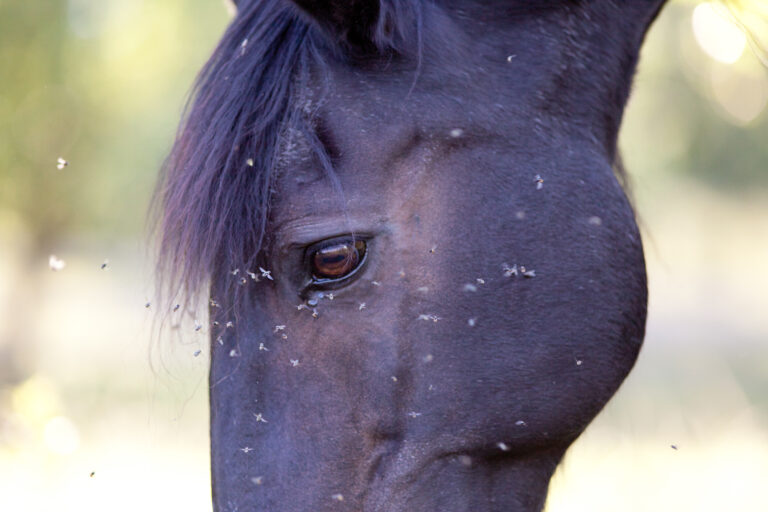
Woman Dies After Exposure to Sick Horse
Cultures from both human and horse tested positive for S. equi spp zooepidemicus.

Cultures from both human and horse tested positive for S. equi spp zooepidemicus.
Researchers will work to develop culture techniques so donor stem cells can be used safely and effectively in horses.

Using sensible strategies, we can help keep equine joints healthy and capable of withstanding athletic demands.

The 5-month-old filly from Calhoun County is responding to treatment. The dam was vaccinated, but the filly was not.

Microchips could offer benefits beyond identification for your horse.

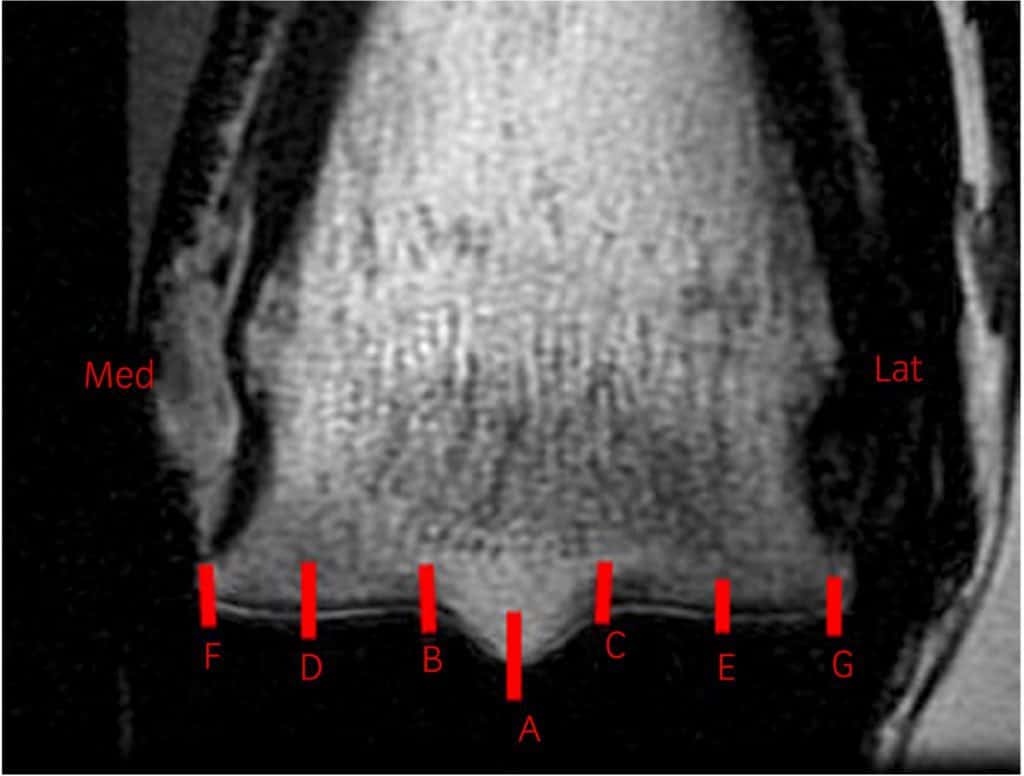
Drs. Tim Parkin and Sarah Plevin describe studies focused on predicting injury before it occurs.

Bone turnover in horses rested after intense training was better than in those in consistent intense work.

A French genetics team determined a common breeding pool is not only realistic but also preferable.

Farriers should practice smart biosecurity to prevent potential equine disease spread among properties.

Many elements must remain within a normal range for a horse’s mouth to stay healthy.

An extract from blue-green algae—a potentially toxic substance—could help arthritic horses without poisoning them.

Look for educational articles and social media posts on keeping equine joints and bone healthy, Oct. 9-15.

The same bacterium causes two very different conditions in horses. Dr. Craig Carter explains.

The British survey results also suggest that lamenesses are more likely to originate in the limb than in the foot.

The gradual north- and westward expansion of the fire ant’s range is exposing more horse owners to this important pest.