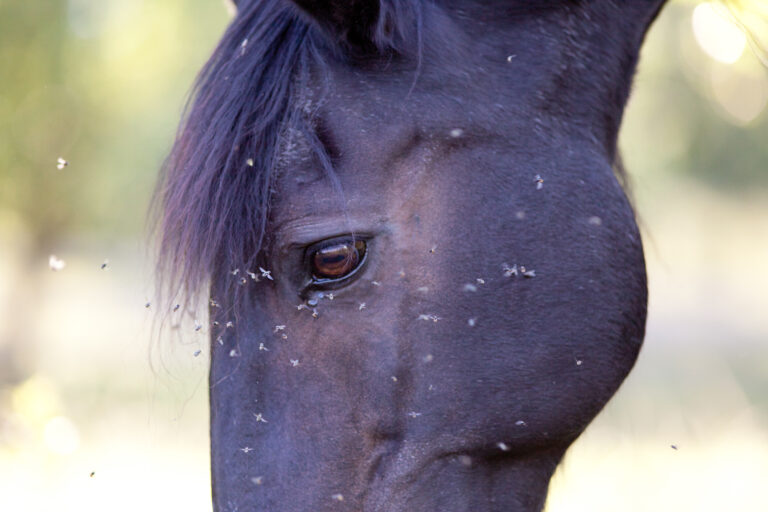
Researchers Find Link Between Neurologic Disease, Eye Issue
A vitamin E deficiency can lead to neurologic problems as well as a retina disorder called pigment retinopathy.

A vitamin E deficiency can lead to neurologic problems as well as a retina disorder called pigment retinopathy.
Take steps to prevent your horse from contracting potentially deadly diseases such as EHV or rabies during competitions.

How often does an older riding horse need his teeth checked by a vet? Dr. Erin Denney-Jones offers advice.
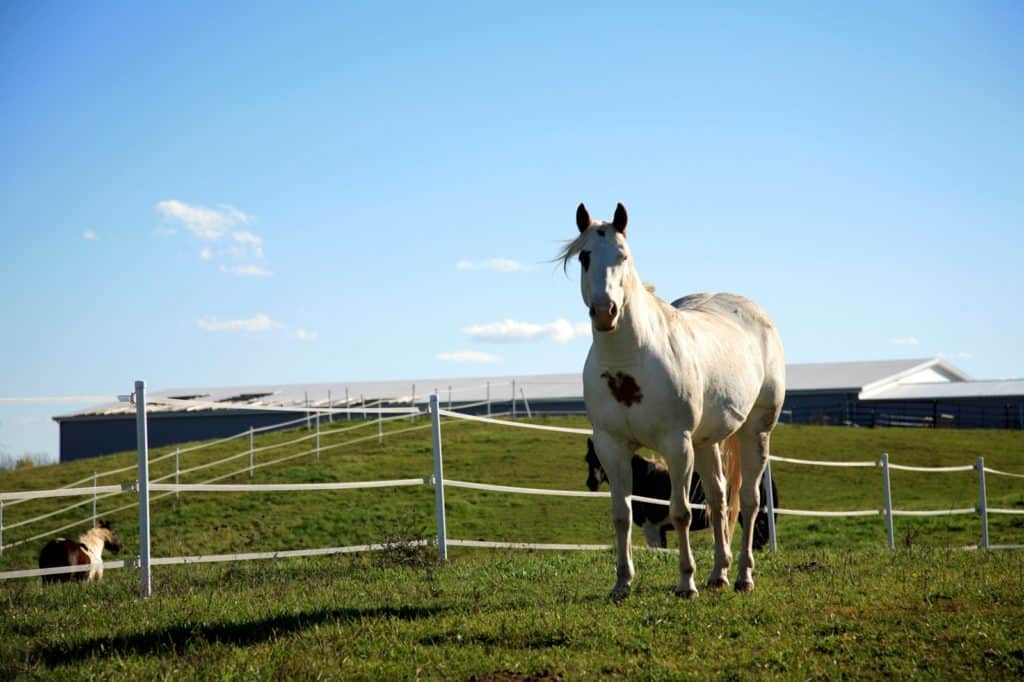
Electric fencing might not cause horses extra stress, but most stay farther away from an electric fence than a wood one.

Drs. Ann Rashmir-Raven and Erin Denney-Jones say even a few coughs from your senior horse under saddle aren’t okay.

Researchers found that yawning appears to be closely associated with social interactions and, possibly, social stress.

Is the leptospirosis vaccine for swine and cattle safe for equine use?
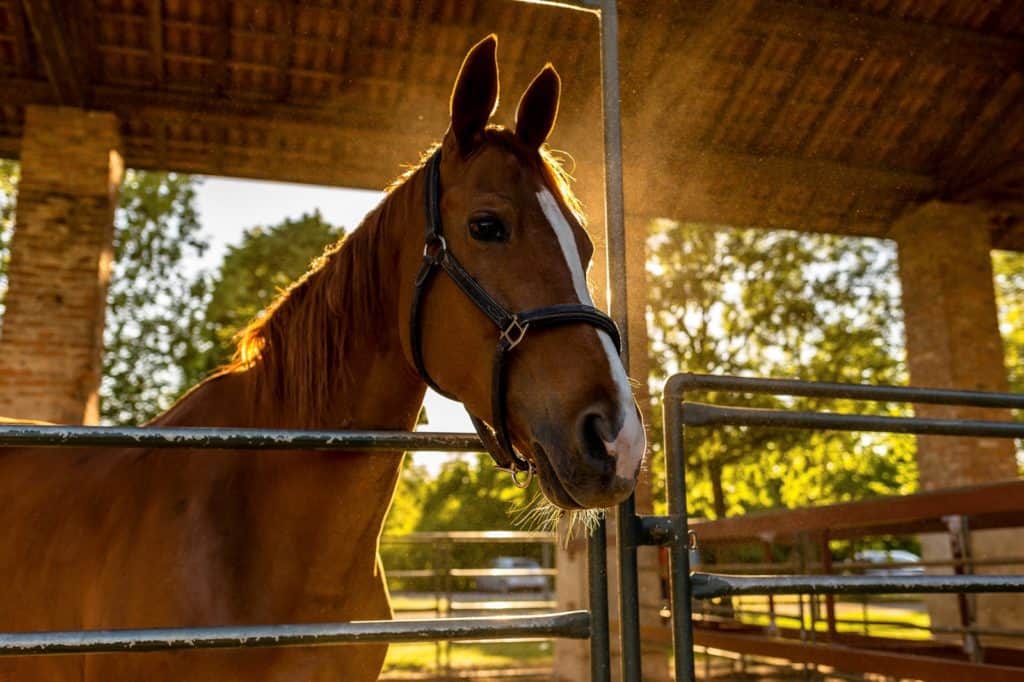
While we can’t cure heaves, or equine asthma, we can help manage their signs of disease. Here’s how.

Our “Why Does My Horse Do That?” winner wants to know why her mare’s buddy licks the mare after meals.
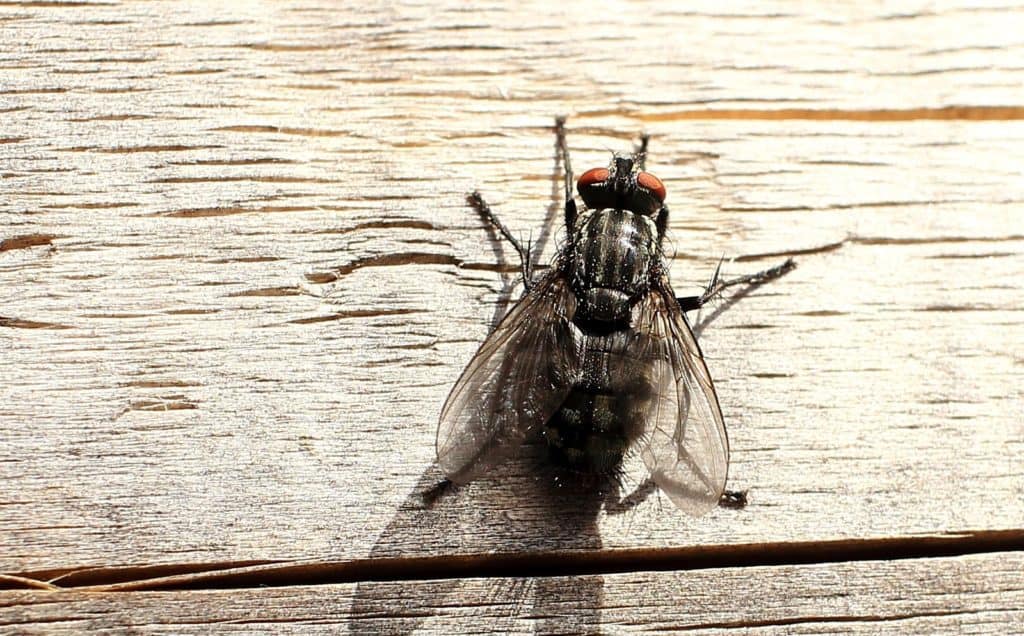
Understanding how house flies reproduce in manure can result in fewer house flies in your barn and its surroundings.
Jonas Gibson is accused of stealing at least three racehorses.

Some horses’ navicular bones segmented into two or three parts, which can be detrimental to health and welfare.

Researchers are making steady progress toward understanding catastrophic fractures and, ultimately, how to prevent them.
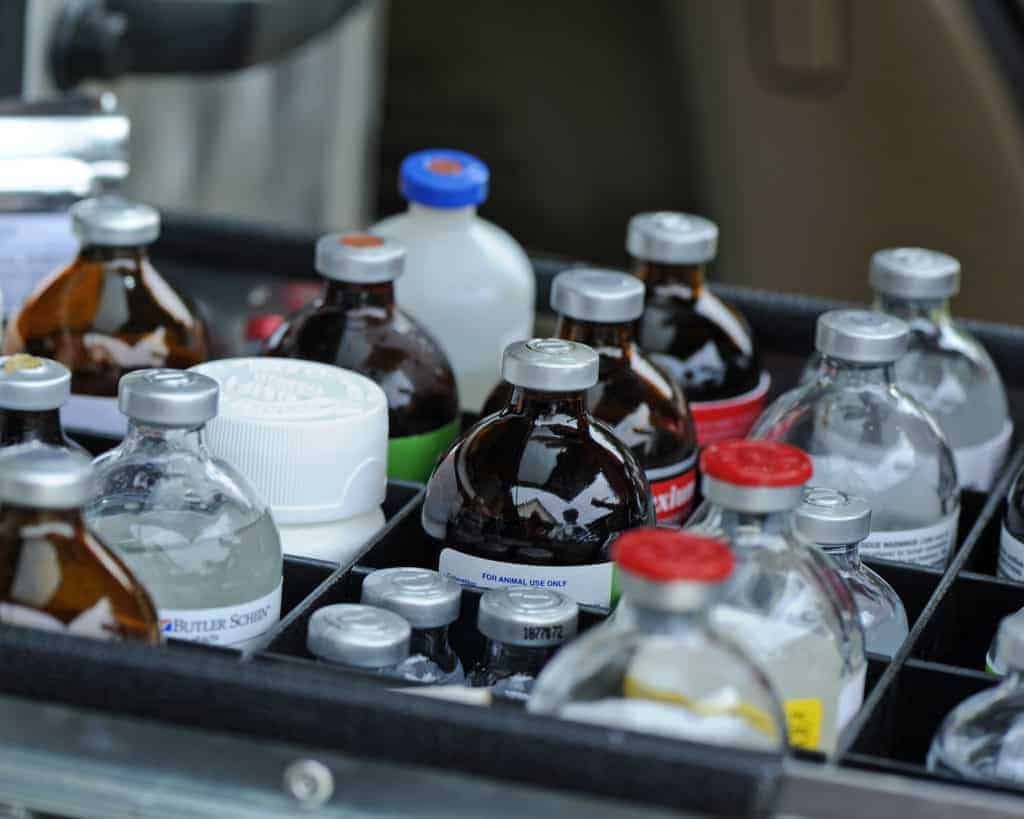
Learn about applications of therapeutic and regulatory medicine in performance horses. Presented by Jennifer Davis, DVM, PhD, Dipl. ACVIM, ACVP, associate professor of equine internal medicine/clinical pharmacology at North Carolina State University.

Ashley Wagner-Wells’ research focused on equine protein metabolism and skeletal muscle physiology.
The Queensland, Australia, parliament has determined that the Hendra vaccine is safe and effective.