Hot Topics in Hoof Care, Part 1: Horse Hoof Biomechanics
Find out how physics plays an important role in how the horse’s hoof works and adapts to force.

Find out how physics plays an important role in how the horse’s hoof works and adapts to force.

Of the 758 respondents, only 106 (14%) said they weigh everything their horse gets to eat.

Is your horse struggling to breathe? Equine asthma might be the cause.

Rib fractures can cause problems even when there’s no history of trauma or obvious signs indicative of a fracture.

Horses that plow, heal, or protect have distinctly different lifestyles than the average riding horse.
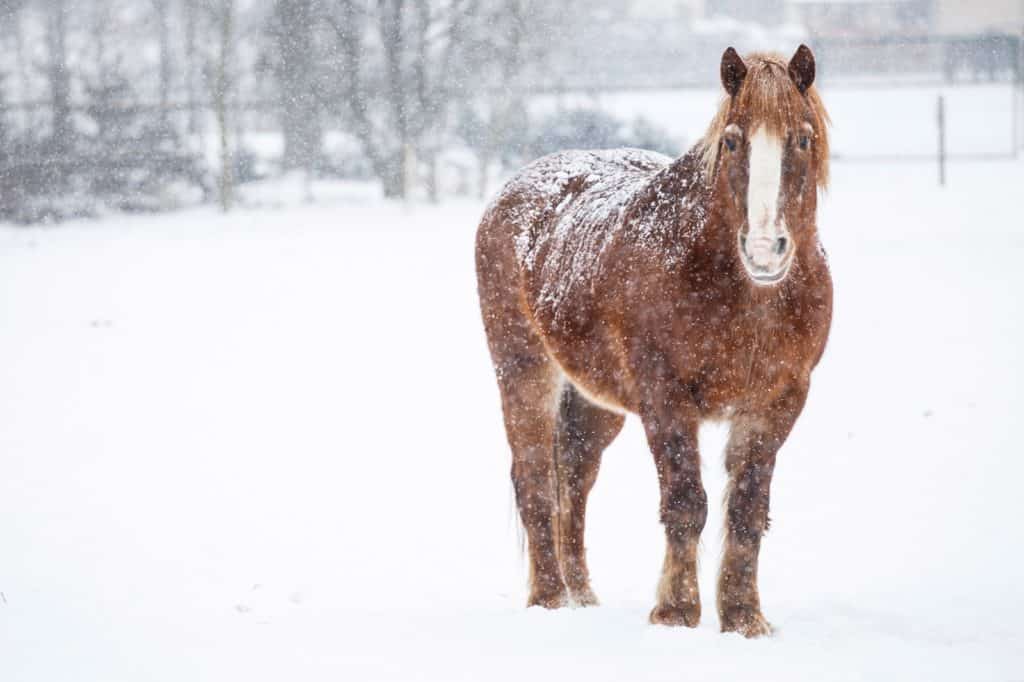
Ensure your golden oldie gets the care and support he needs, even if he’s weathered previous winters without trouble.

With cold weather comes complicating factors that could increase horses’ colic risk.

Though not often used in the United States, peat moss is a popular choice in other countries and for good reason.

Several new studies were published as a free special collection in the Equine Veterinary Journal this month.
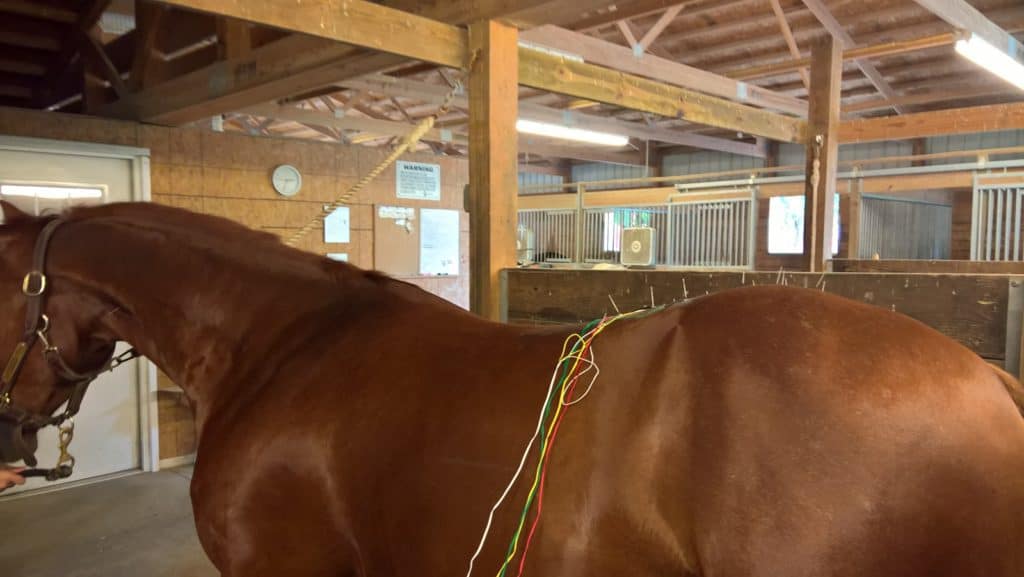
Learn how acupuncture is used to supplement conventional therapies and treatments given to equine patients.
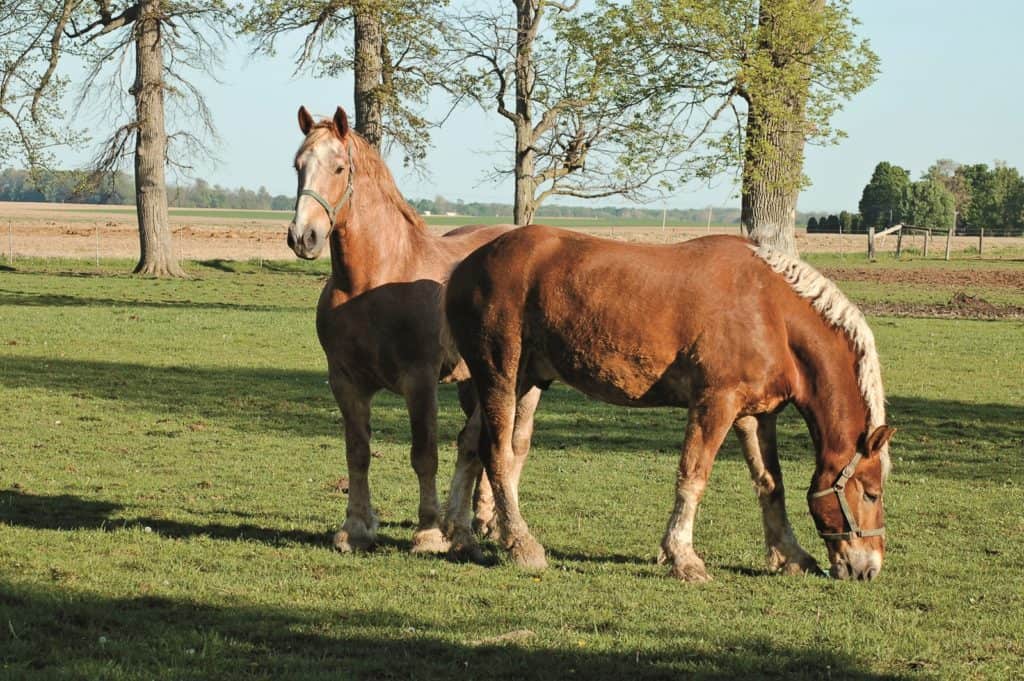
This could allow improved treatments and management for the disorder, as well as improved welfare for affected horses.

Three equine professionals offer tips for preparing your animals, facilities, and yourself for the deep freeze ahead.
Dr. Kyla Ortved will review the varying types of regenerative medicine and their applications in the equine athlete.

Researchers say studs have better-quality semen when housed next to other stallions before being stabled next to a mare.
The researchers are nearly ready to start analyzing data, but the surveys will remain online for a few more weeks.

Of the 1,114 respondents, 811 (73%) said they do not body clip their horses during winter.