Feeding Freshly Baled Hay to Metabolic Horses
When can you safely feed freshly baled hay? Find out how curing and harvest timing can affect hay safety for metabolic horses.

When can you safely feed freshly baled hay? Find out how curing and harvest timing can affect hay safety for metabolic horses.
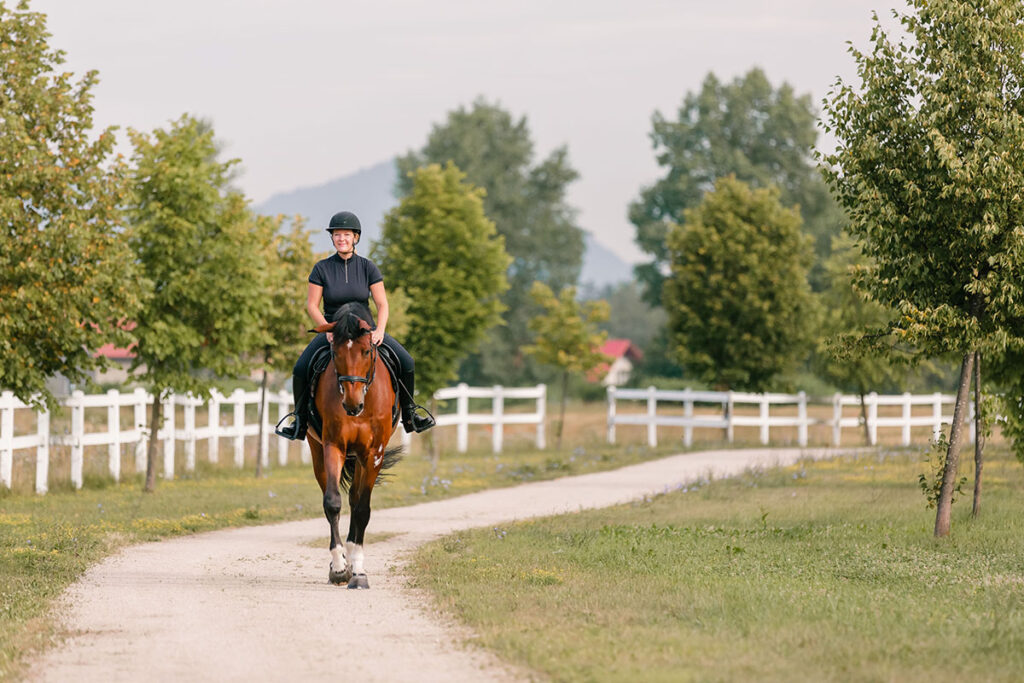
An expert explains why many horses with PPID can remain active with appropriate management.

Back pain in horses can be challenging to overcome, but you can address and prevent it with diligent management and rehabilitation.

Watch this webcast to learn more about equine herpesvirus strains, clinical signs of infection, and potential effects on horses. Sponsored by Boehringer Ingelheim.
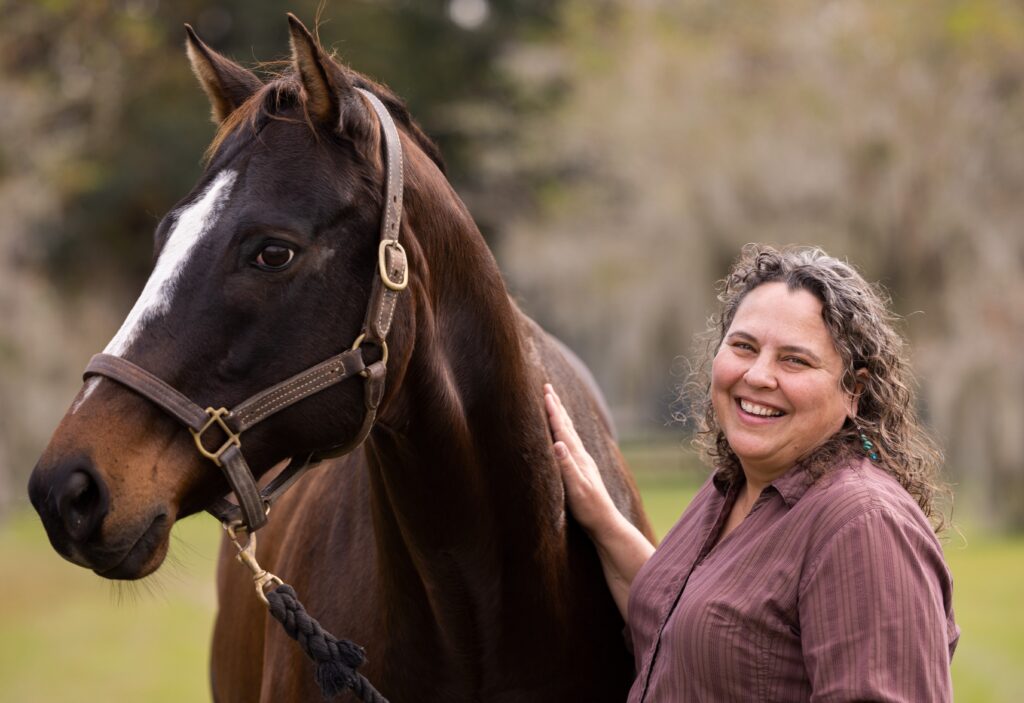
Host Stephanie Ruff talks to Martha Mallicote, DVM, MBA, Dipl. ACVIM, about anhidrosis in horses and its nutritional aspects.

Learn how to maintain your horse’s hoof health into his later years in this Ask TheHorse Live excerpt.
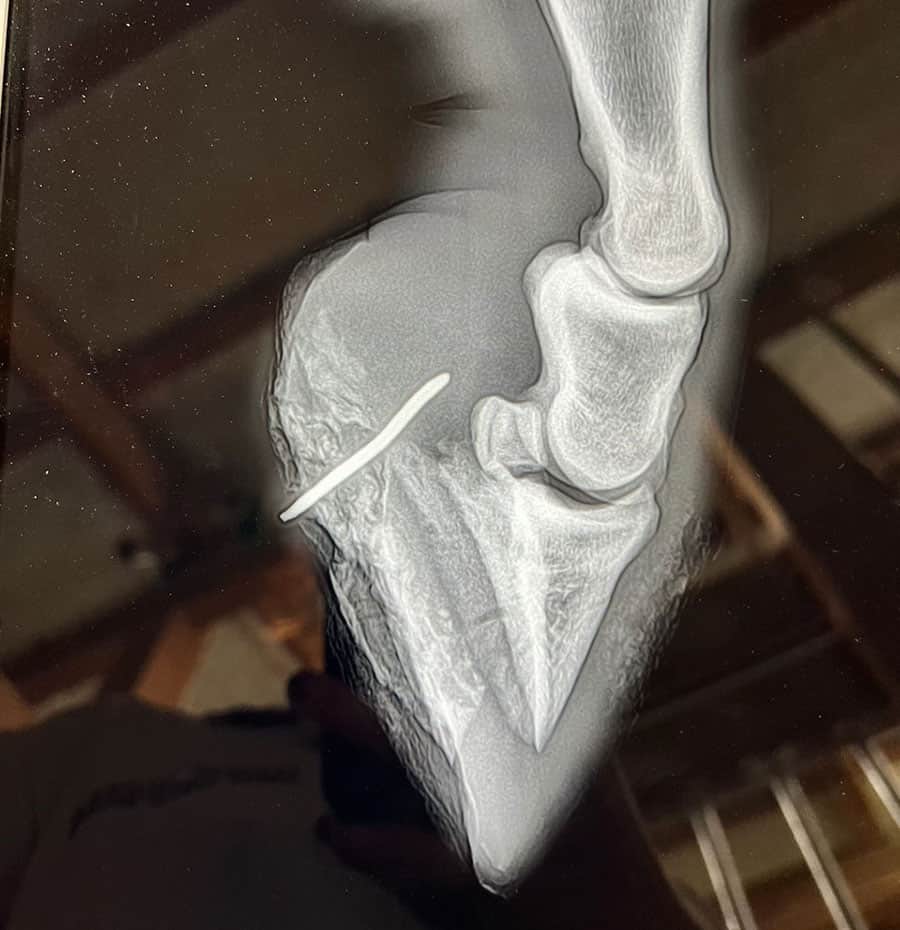
One veterinarian explains how to manage horse hoof puncture wounds and help ensure they heal properly.
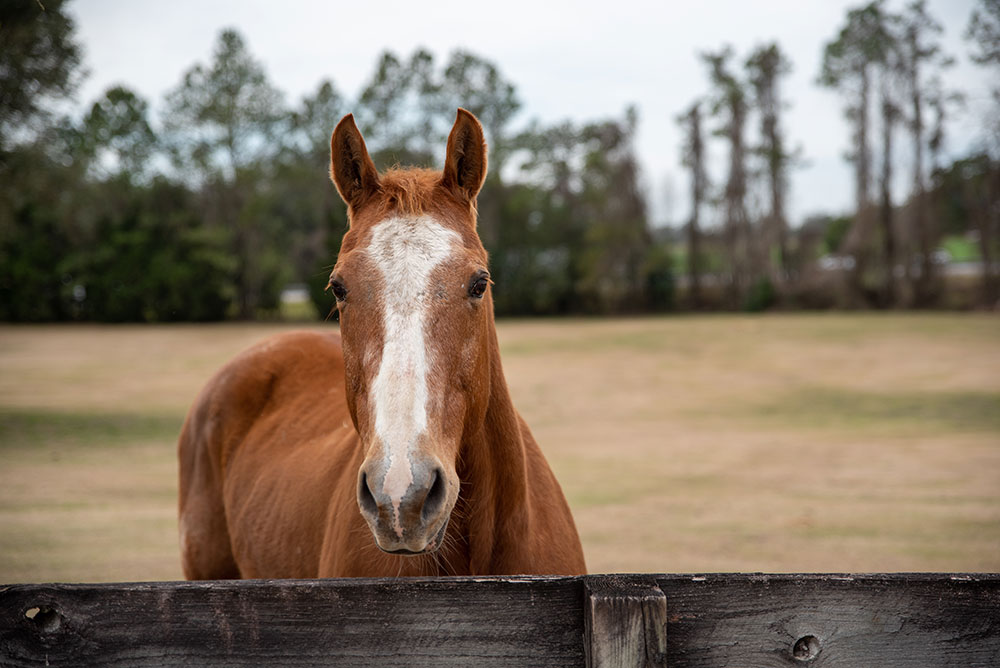
A veterinarian explains how to manage your horse’s health expenses and save for routine care.
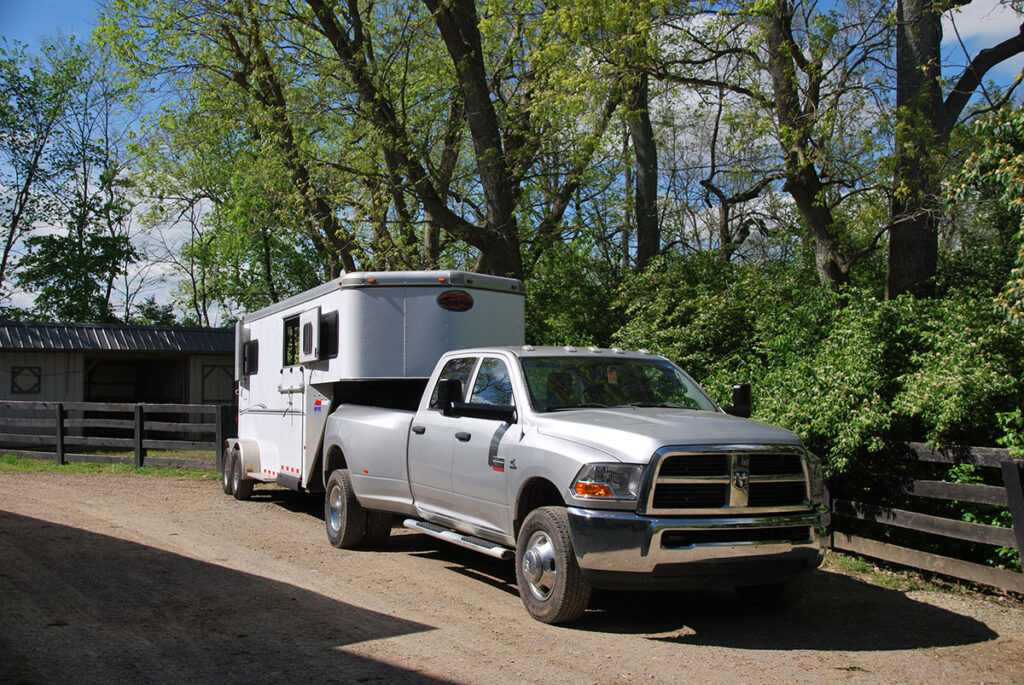
Safe horse transport depends on proper vehicle maintenance, thoughtful trailer selection, responsible driving, and effective emergency preparedness.

Follow these expert tips to correct common feeding mistakes and improve your horse’s gut health and overall well-being.

Here’s how to monitor your horse for dehydration and help prevent it.

Learn about the unique trailering needs of senior horses in this Ask TheHorse Live excerpt.

An individualized forage-based feeding plan can help support horses with IBD.

Learn about two different and unrelated processes that present as firm swellings in the horse’s pastern region.
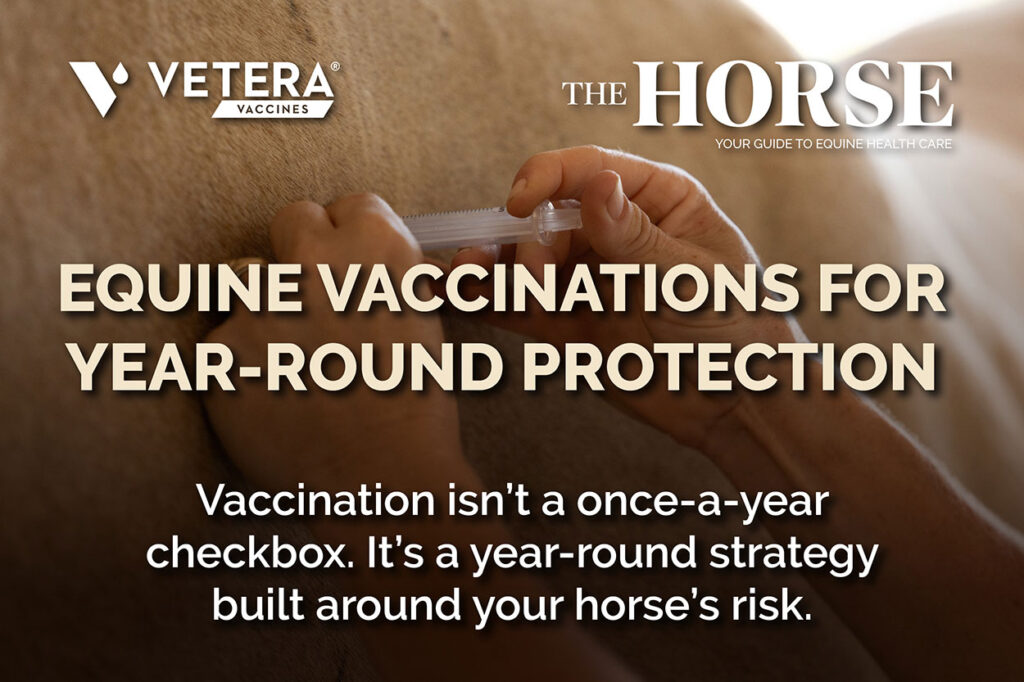
Vaccination for horses isn’t a once-a-year checkbox. It’s a year-round strategy built around your horse’s risk. Sponsored by Boehringer Ingelheim.
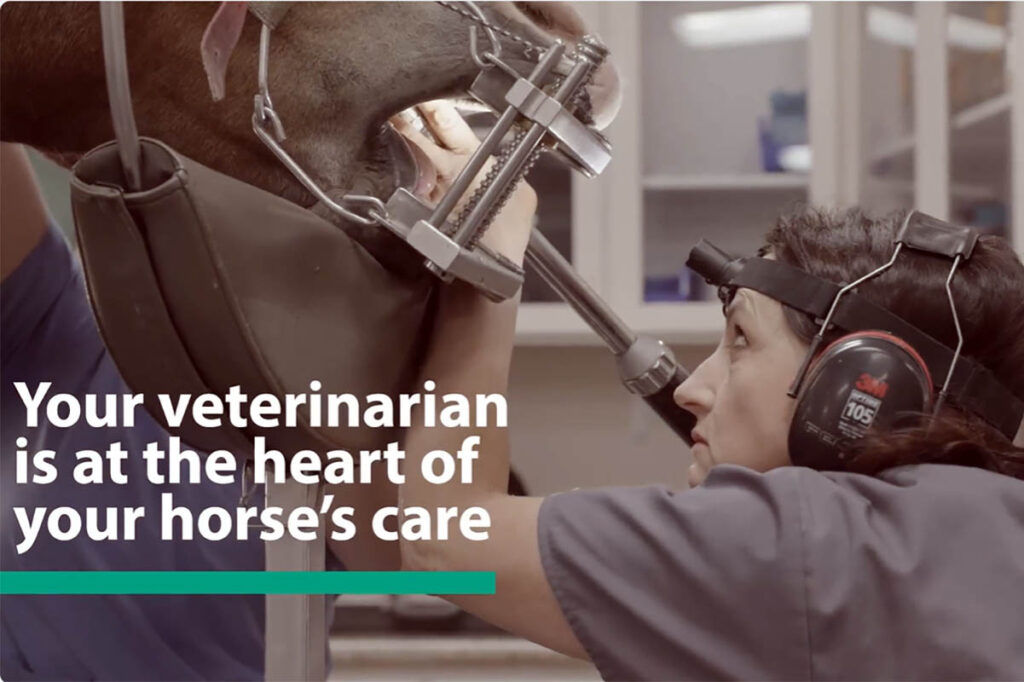
Learn about the veterinarian-client-patient relationship and how preventive care can help you limit your horse care expenses in the long run.