Study: Treating Moderate Equine Asthma With Ciclesonide
Researchers found ciclesonide is effective when treating young racehorses with moderate equine asthma over a short period of time.

Researchers found ciclesonide is effective when treating young racehorses with moderate equine asthma over a short period of time.

Testing asymptomatic horses for EHV-1 at equestrian events is crucial for early detection and preventing potential outbreaks.

Vitamins and minerals comprise a small portion of the horse’s diet by weight, but their importance is enormous. Learn more about when supplementation might be needed.

Drs. Sherry Johnson and Kelly Zeytoonian, paid consultants of American Regent Animal Health, share their experiences using Adequan i.m.® (polysulfated glycosaminoglycan) as part of their multimodal approach to managing degenerative joint disease (DJD).

A modified borescope might be a more accessible way for equine veterinarians to perform endoscopic exams in working donkeys.

Researchers found that a schizophyllan and hyaluronan supplement might help veterinarians and owners manage EGUS.

Researchers discovered that a significant percentage of cart donkeys might have reduced tracheal function, while pack donkeys do not.

Researchers are currently working to develop an RNA vaccine for EHV-1 and -4. Here’s what they know so far.

A USEF veterinarian shares important biosecurity information for those planning to host or attend competitions this year.

The new vaccine in development paves the way for more effective immunization against the diarrhea-inducing virus in equine neonates.
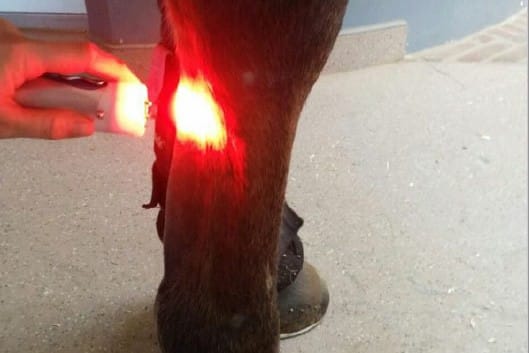
Learn more about Class IV laser treatments, the current research, and opportunities for further advancement.

Researchers reflect on horse trailer design and long-distance travel as they affect stress in horses.
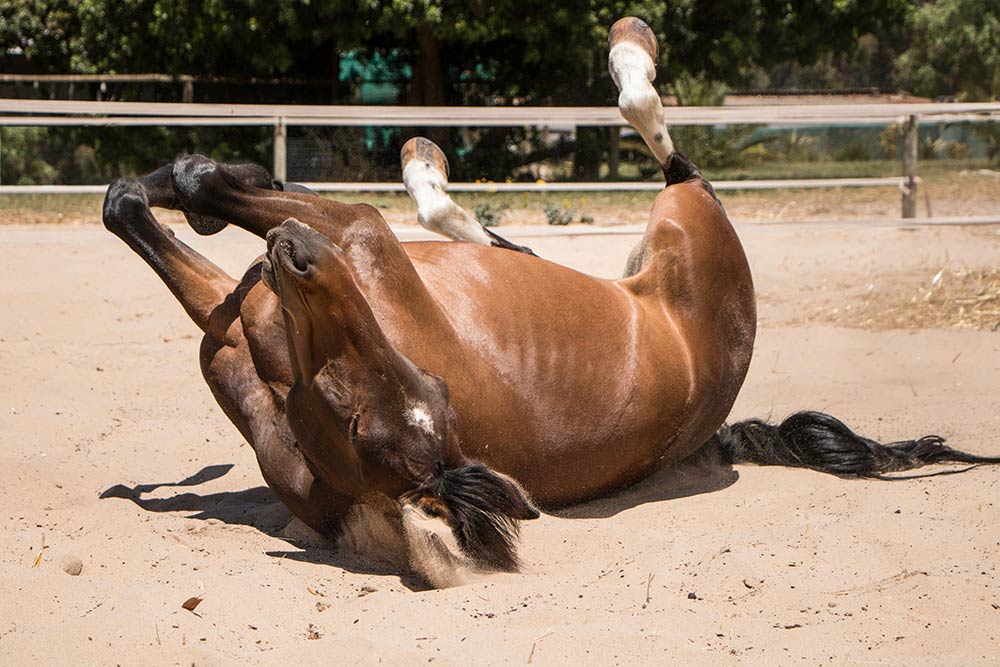
Don’t take a wait-and-watch approach when it comes to this common cause of colic in older horses.

The oral sugar and thyroid-releasing hormone (TRH) stimulation tests are the gold standards for diagnosing ID and PPID (equine Cushing’s disease), respectively.

Horses give us plenty of cues when they’re dealing with early illness. To help you recognize them and intervene accordingly, here is a 10-point list of warning signs.

Learn about new applications for biologic therapies to treat horses’ infertility, wounds, ligament injuries, and eye issues.