Managing the Chronically Laminitic Horse
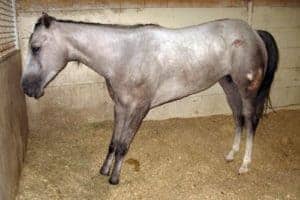
A podiatrist gives his tips for keeping a horse with chronic laminitis and equine metabolic syndrome comfortable.

A podiatrist gives his tips for keeping a horse with chronic laminitis and equine metabolic syndrome comfortable.

An equine nutritionist shares tips to reduce impaction colic risk in senior horses, focusing on hydration, digestion, proper feeding practices, and more.

Early diagnosis and proper treatment of these joint problems can make the difference in whether the horse can return to soundness.
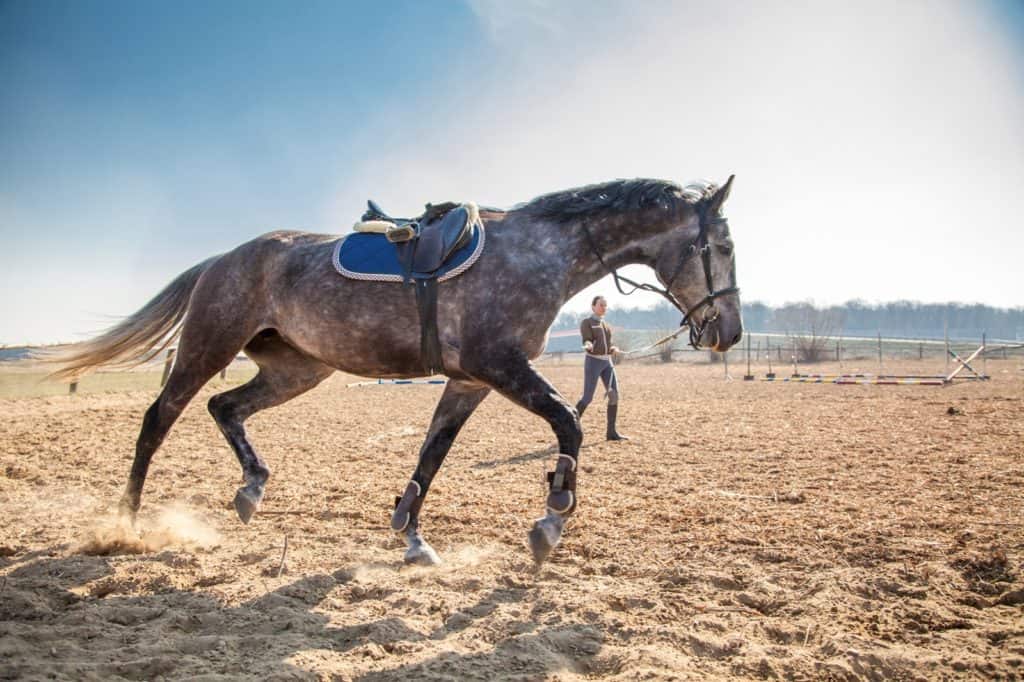
Longeing horses in a controlled way and avoiding overlongeing could be the most effective ways to protect their joints.

Proper shoeing aligns with a horse’s conformation and job, enhancing natural abilities with minimal interference.

Researchers found that a herd of Icelandic horses survived after their water source froze amid snowstorms. But, as a rule, horses should always have access to fresh water.

Should you adjust your horse’s diet if he will have time off during winter? What changes are safe to make? An equine nutritionist explains.

Learn about this life-threatening condition that occurs when Gram-negative bacteria or parts of their walls access a horse’s blood.

Ah, the age-old question: When managing horse wounds, should you wrap them or let them “air out”? Researchers are working to determine whether bandaging is the best option and in what circumstances.

Learn how and why this approach is a cornerstone in the treatment of dorsal spinous process impingement.

A horse’s ridden or competitive career doesn’t have to end after an osteoarthritis diagnosis. Two experts share tips for conditioning these animals.

When do I start my foal on an exercise program? What type of exercise should I start him with, and when?

An equine nutritionist emphasizes the importance of fiber in horse diets and shares 2 rules for safe fiber-feeding practices.

Here’s how you can recognize the early signs and risk factors for EGUS, and how veterinarians diagnose and treat the condition.

Researchers believe exercise, stress, and diet can contribute to leaky gut in horses, but a prebiotic product might reduce the incidence.

Extruded horse feeds offer higher digestibility, longer consumption time, and decreased dust and pathogens, making them an ideal option for feeding some types of horses.