EVA Vaccines: What You Need to Know
Implementing a proper vaccination regimen for breeding stock is key to minimizing EVA’s spread around the world.

Implementing a proper vaccination regimen for breeding stock is key to minimizing EVA’s spread around the world.
Dr. Rachel Buchholz explains what “kissing spines” is in horses and its clinical signs.
The RCI has asked the Racing Medication and Testing Consortium (RMTC) to merge into a new RCI scientific advisory board.

The organization updated entries on ketoprofen, alclofenac, firocoxib, aminorex, and more.
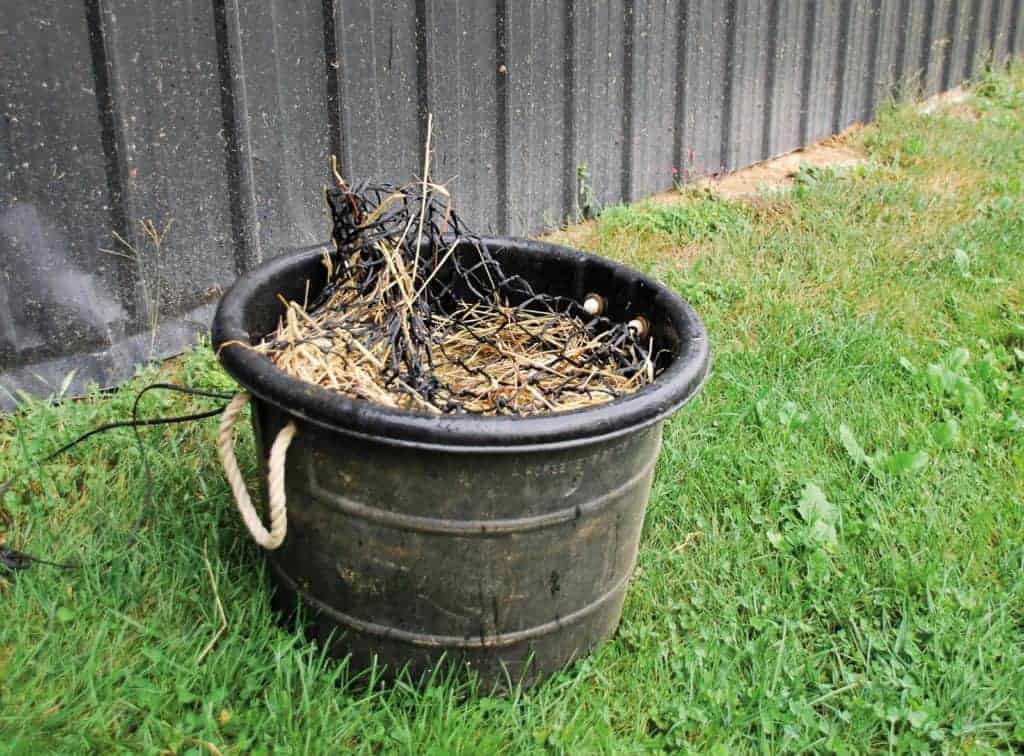
Of the 755 respondents, 584 (77%) said they do not soak their horses’ hay.
The Dec. 13 collision led to a horse being euthanized after a race at Hollywood Casino at Charles Town Races.
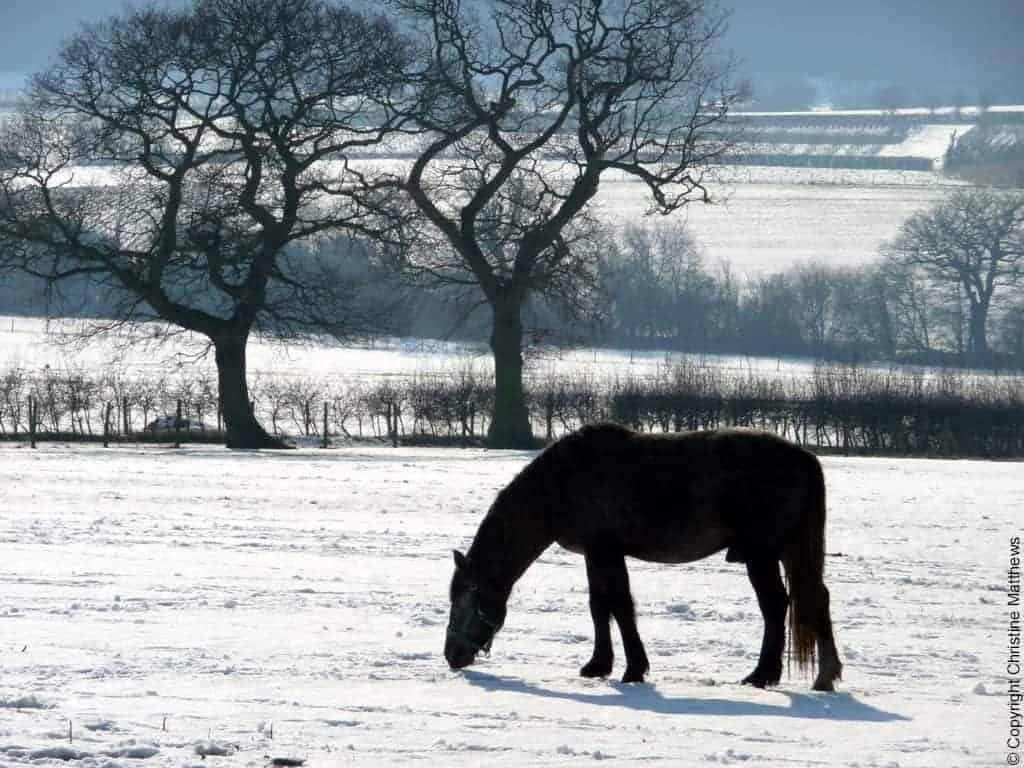
Here’s a look at three health conditions to watch for during the winter that could negatively impact equine welfare.

Learn how vaccines can protect horses, why they’re important, and which ones your horse needs in our visual guide.

Something as simple as a sign can help organizers run events that promote horse health and biosecurity.

Equine metabolic syndrome doesn’t just cause equids’ girths to expand; it can also lead to other health conditions.

Researchers examined, discussed, and debated the latest research on saddle-related welfare and performance issues.
The bills are designed to strengthen measures to better manage the risk of disease entering and spreading in Australia.

Scientists behind a new study have identified behavior changes donkeys show when they experience pain relief.
The Thoroughbred Aftercare Alliance will award $2.4 million in grants to its 42 accredited facilities for 2014.
The 103-year-old racetrack received its initial NTRA Safety and Integrity Alliance accreditation in 2013.

A veterinarian and equine behavior expert addresses a possible learned head tossing behavior at feeding time.