Zenyatta Foals Tapit Colt
Zenyatta produced her second foal, a colt by Tapit, on her birthday, April 1.

Zenyatta produced her second foal, a colt by Tapit, on her birthday, April 1.

One vet encouraged practitioners and farriers to take a biomechanical approach to treating some foot problems.
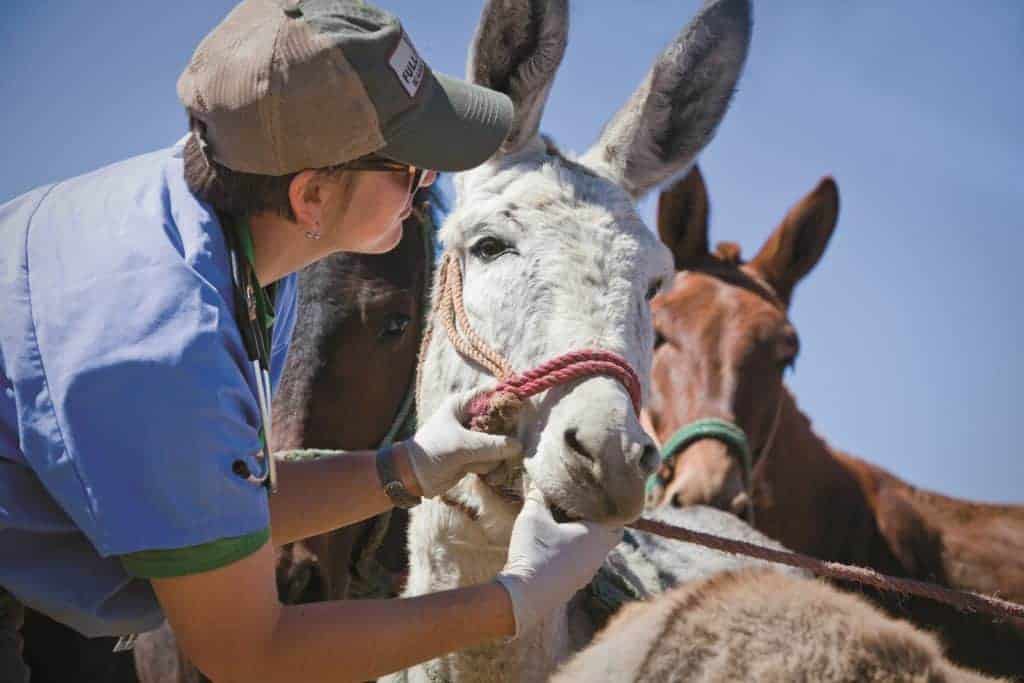
Veterinarians across the globe are working together to improve health care and living conditions for working equids.

Researchers are learning how different pads stack up for keeping our horses happy and healthy under saddle.

Researchers are scrutinizing the equine eye so they can treat ocular issues better.

Dr. Steve Sundholm of Equus Veterinary Service in Oregon City, Ore., talks about changes in internal parasite control protocols for horses over the years and introduces strategic deworming.

A supplement fed after osteochondral fragment removal could help reduce post-surgical joint inflammation.
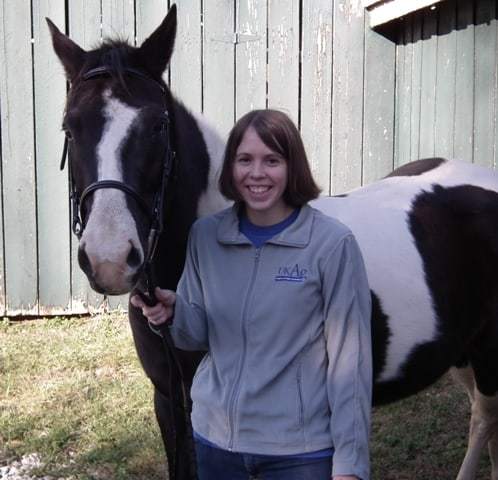
Burk?s main research focus is the development of a western blot test for Parascaris equorum.
Wendi Cox was found guilty for her role in the SAU horse thefts and sentenced to serve 60 years in prison.

Researchers evaluated if half-doses of Bute resulted in different plasma concentrations than full doses.
HRH Princess Haya opened a session on the air transportation of sport horses at the World Cargo Symposium.

The University of Kentucky Gluck Equine Research Foundation published its 2012 Research Report in March.

One vet says to consider wobbler syndrome as a diagnosis for aged horses with neurologic signs and neck pain.
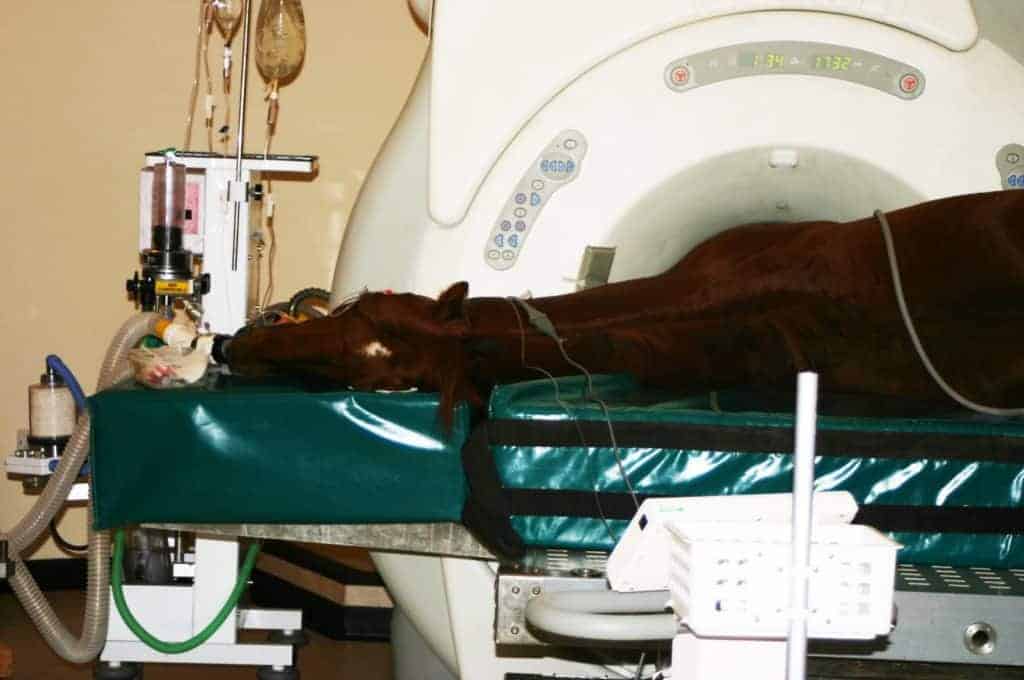
Researchers say MRI is invaluable for identifying suspensory ligament lesions and sesamoid bone damage.
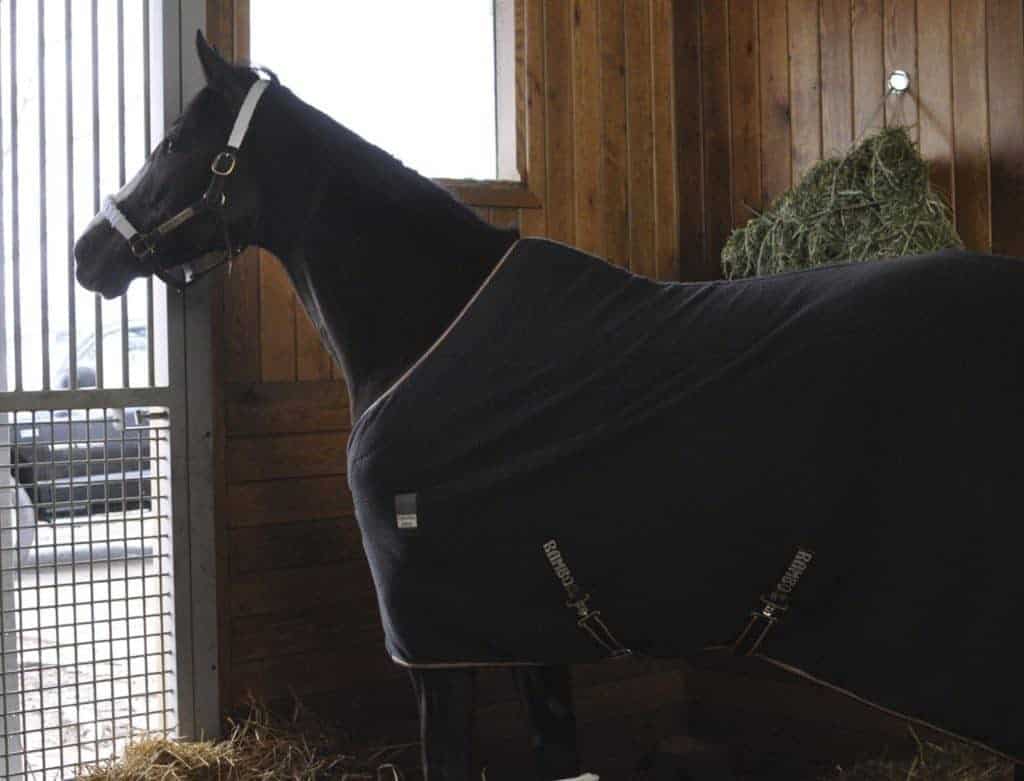
Rachel Alexandra was released from Rood & Riddle Equine Hospital and returned home to Stonestreet Farm today.
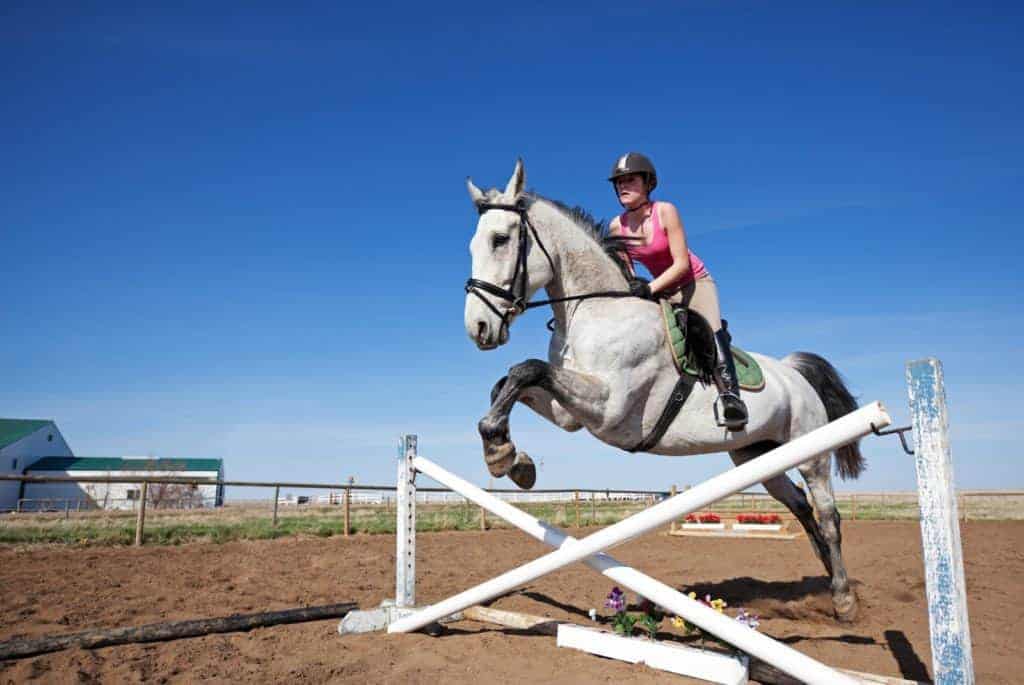
New research indicates horses’ stress levels do not appear to change from one rider to another.