Sustainable Equine Parasite Control Do’s and Don’ts
New research is taking place, and equine deworming recommendations are rapidly changing.

New research is taking place, and equine deworming recommendations are rapidly changing.

Horses are hardy animals when it comes to weathering the cold months. But this doesn’t mean you can slack on their care just because you’re staying indoors more. In fact, there are some health issues horses are more prone to during winter.
Do horses living outside need their ears protected during cold weather?
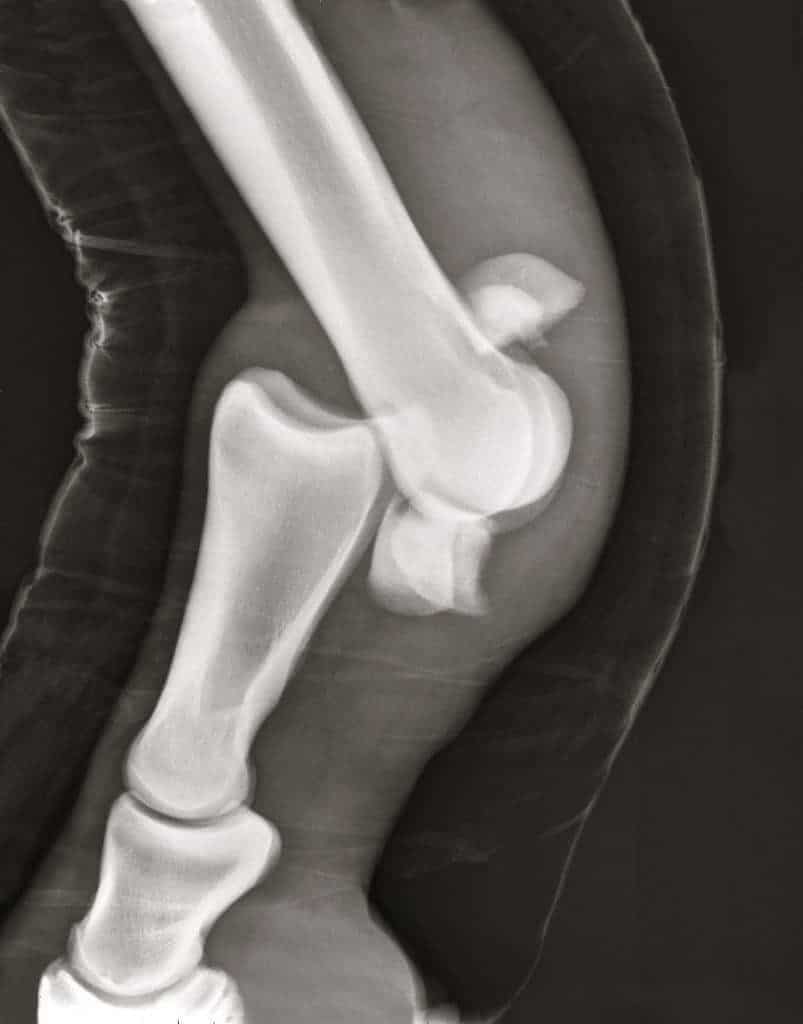
Bone fractures in horses, whether catastrophic or microscopic, heal through a complex sequence of events.
Genetics researcher Emmeline Hill, PhD, has been named the Irish Tatler 2012 Woman Entrepreneur of the Year.

There were few performance differences between foals born to healthy mares and those treated for placentitis.

The six medications were identified by the AAEP as having therapeutic purposes.

Equine nutrition, hydration, exercise, blanketing, and respiratory health can be concerns as temperatures dip.

Salix administration mistakes have led to at least two horses being scratched from races this month.

A cut-out patterned English appeared to have multiple benefits when compared to not using a pad.

Veterinarians plan to conduct a trial of an experimental drug that has shown promise in treating laminitis.

The goal for sport horses, from prepurchase exams through their careers, is to extend the time to retirement.

The task force will immediately begin its inquiry into events that occurred in the 2012 racing season.

Case Clay of Thee Chimneys Farm was named to the position in October.

Steve Haskin provides an update on Paynter’s recovery at Fair Hill Equine Therapy Center.